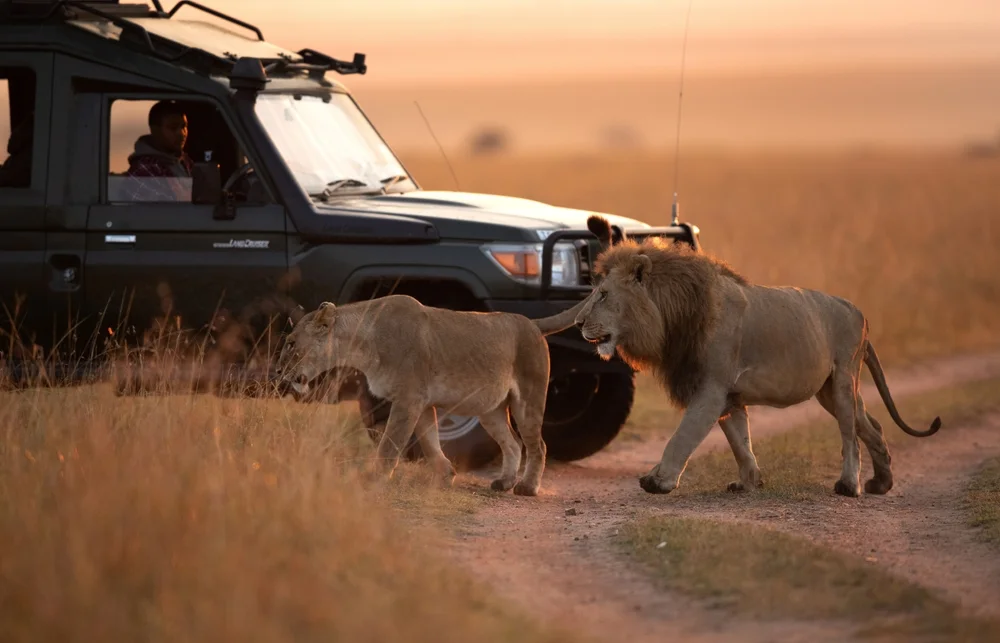
Looking for a Kenya tour package offering a perfect day in the life of Kenya's wildlife? Well, you are at the right place! There’s a unique magic in the air as the first rays of sunlight stretch across the savannah. This is the start of a Kenya Game Drive, where every moment from sunrise to sunset is a window into the wild heart of Africa.
The Dawn Chorus: Kenya Morning Safari
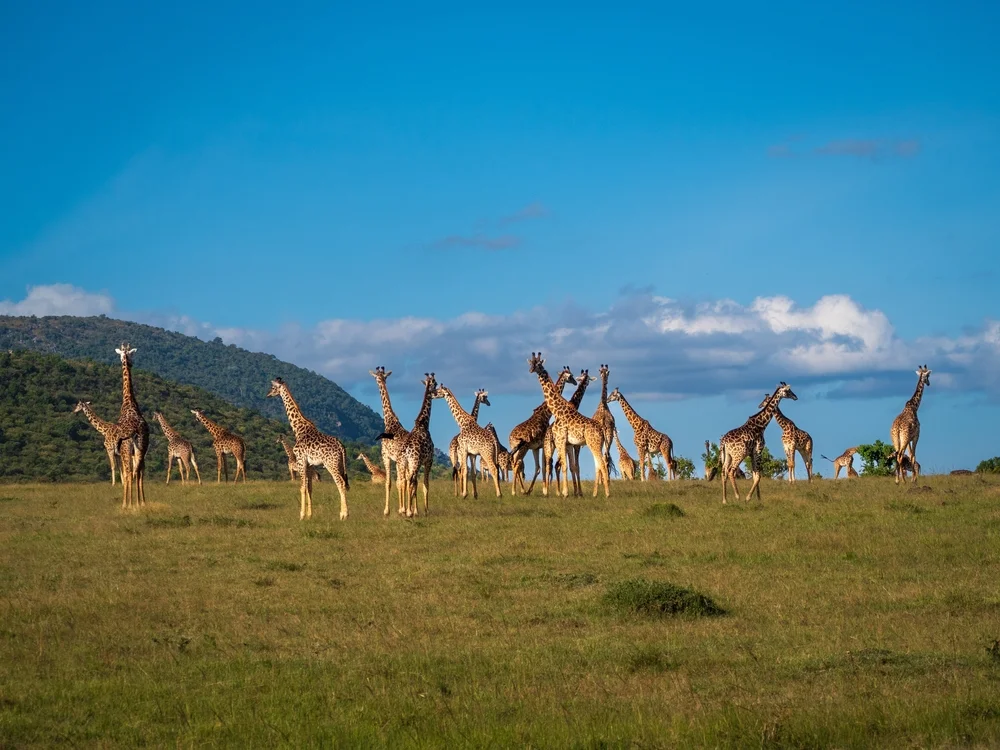
The first rays of light peeking over the eastern horizon give the countryside a soft hue as the day begins. The new day is greeted with a symphony of birds and the crisp air. The Kenya Moring safari vehicle departs as the sun rises, transporting travelers into the middle of the forest. There is a sense of excitement and expectation for what might be seen because the wildlife is at its most active at this early hour, and predators may still be on the prowl for their nighttime prey. This is the golden hour for wildlife viewing: predators are still on the prowl, elephants march in stately procession, and the plains are alive with activity. The early light is perfect for photography, casting a soft glow over acacia trees and grazing herds.
Experiences During Morning Kenya Game Drives
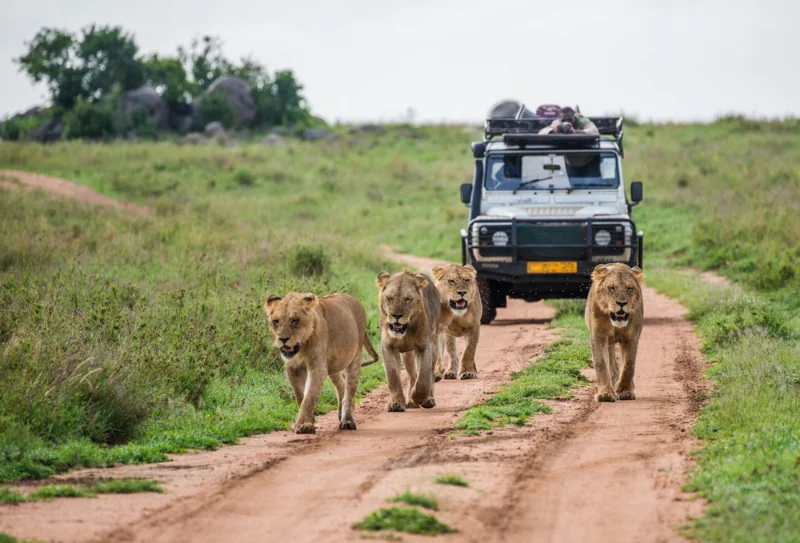
- Getting into a 4x4 Safari Vehicle: You will be escorted by an experienced guide who is intimately familiar with the landscape and the habits of the wildlife.
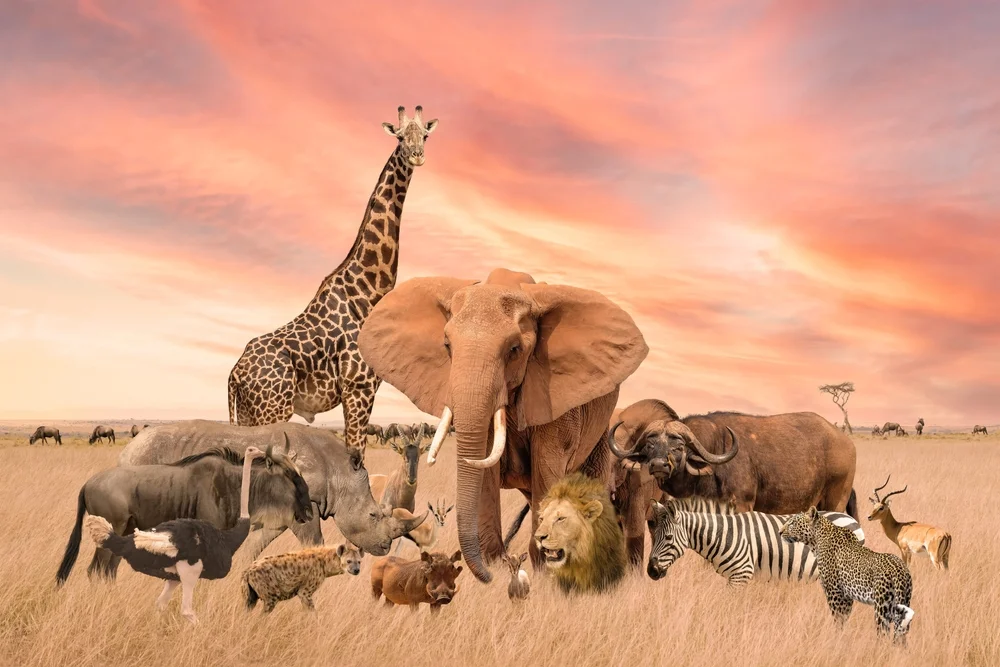
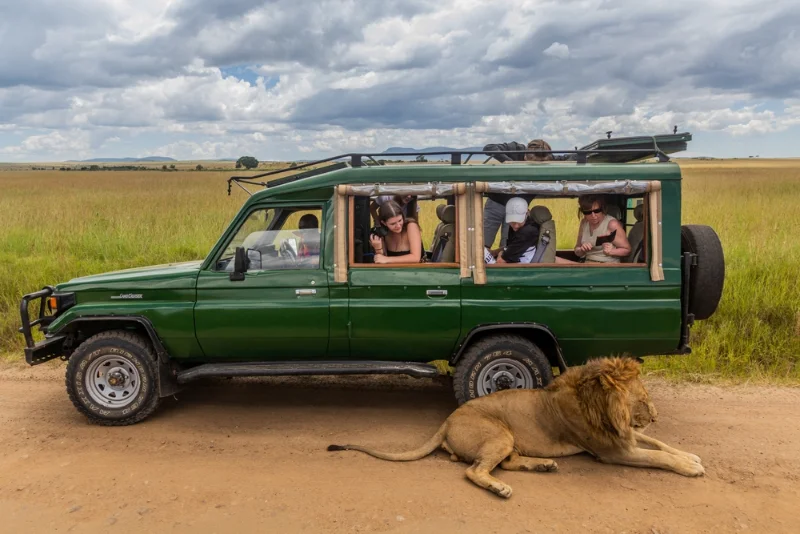
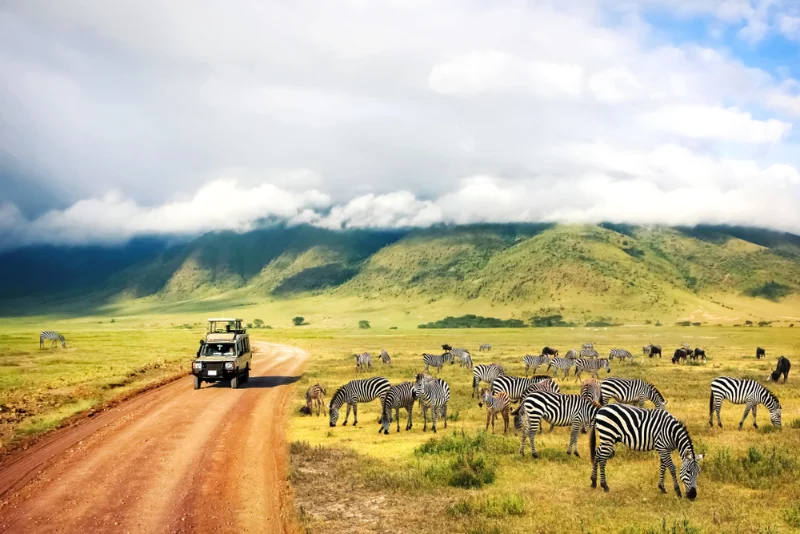
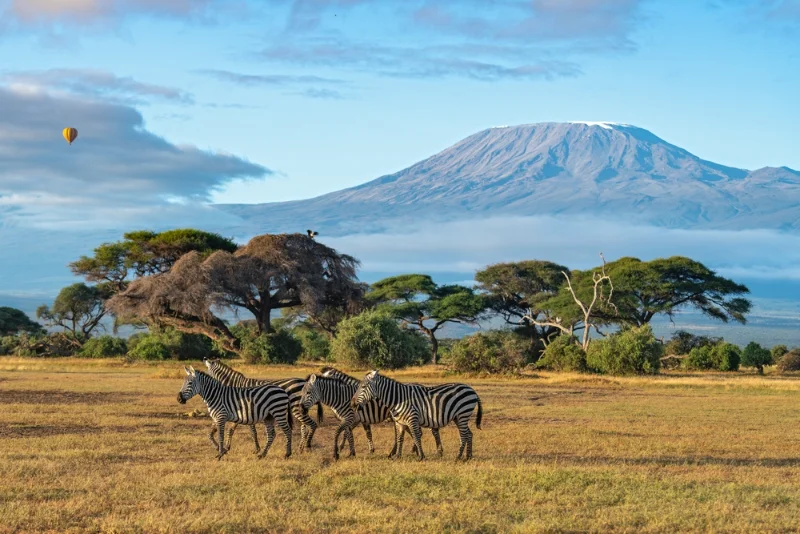
- Wildlife Spotting: Take a drive into the breathtaking Kenyan bush to see amazing creatures, such as lions lounging in the morning sun, elephants moving in families, tall giraffes eating leaves, striped zebras grazing, and the uncommon possibility of seeing a cunning leopard.
- Expert Commentary: The experience will be immersive and helpful as your guide shares fascinating insights on the ecology, behavior, and unique stories of the wildlife you encounter.
- Possibilities for Photos: There will be many stops at picturesque viewpoints ideal for taking that classic safari picture in the stunning early light.
- Duration: Morning game drives often run three to four hours, giving you ample opportunity to take in the tranquil surroundings and see animals in their natural habitat.
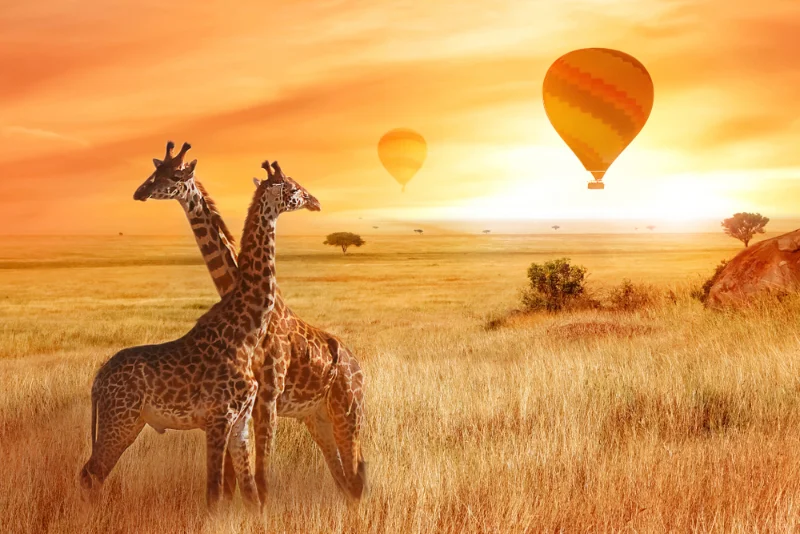
A stop for coffee in the bush is a cherished ritual—sipping as you watch giraffes' silhouettes against the rising sun. By mid-morning, you return to camp for a hearty breakfast, already rich with stories of the day’s first sightings.
Midday Pause: Camp Life and Anticipation
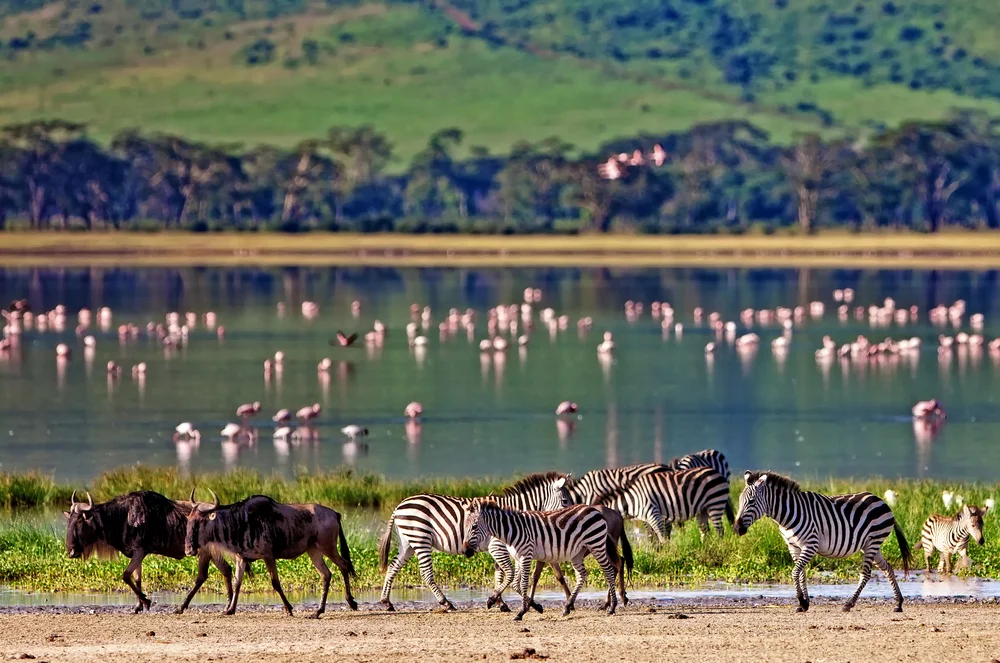
A break at the lodge or campsite is a welcome relief at midday, when the sun is radiating its tremendous heat. It's an opportunity to chat with other tourists, eat beneath an acacia tree's shade, or watch wildlife from the comfort of your accommodations. While many of the wild residents seek cover or limit their activities to save energy for the cooler hours of the day, visitors can unwind, take a siesta, or cool down in a plunge pool during this pause in the day. The anticipation builds for the next adventure—your afternoon safari in Kenya.
Afternoon Safari in Kenya: The Golden Hours
Refreshed, you set out again around 4:00 pm. The safari returns to its natural habitat as the afternoon cools off. Golden hues are spreading across the savannah as the light starts to grow richer. From their noon slumber, animals begin to wake and get ready for the nighttime rituals.
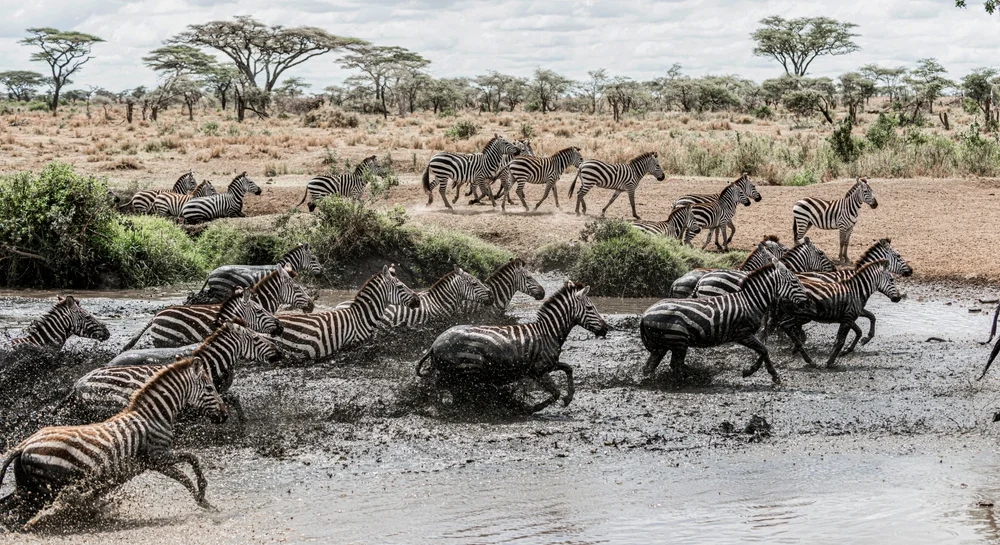
This is a great time to see giraffes eating the upper leaves of trees or to see a group of wildebeest migrating. The afternoon safari in Kenya is renowned for its drama and beauty: lions lounging in the shade, elephants crossing the plains, and the elusive leopard making a twilight appearance. As the sun dips, the light turns golden, perfect for capturing those iconic safari photographs.
This is a great time to see giraffes eating the upper leaves of trees or to see a group of wildebeest migrating. The afternoon safari in Kenya is renowned for its drama and beauty: lions lounging in the shade, elephants crossing the plains, and the elusive leopard making a twilight appearance. As the sun dips, the light turns golden, perfect for capturing those iconic safari photographs.
Evening Reflections: Sunset and Beyond
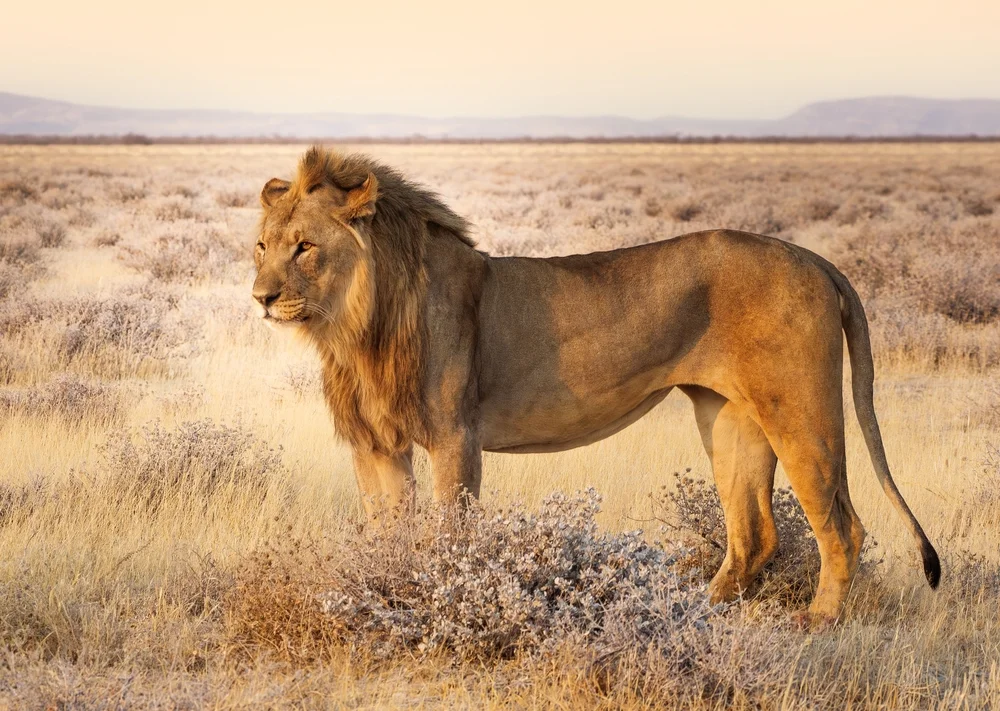
The sky is painted with orange, pink, and purple hues as the sun begins to set. Safari travelers set up shop at picturesque vantage points to take in Africa's renowned sunsets. The adventure may change to a night drive at this point, when nocturnal animals start to appear and spotlights are used to illuminate the eyes of species that are hidden in the shadows.
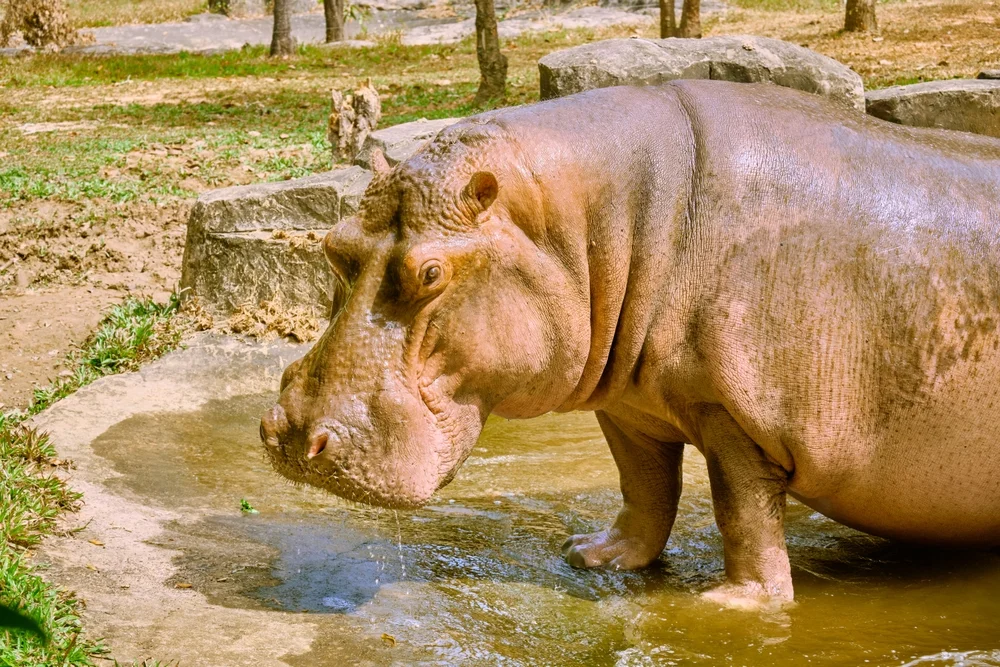
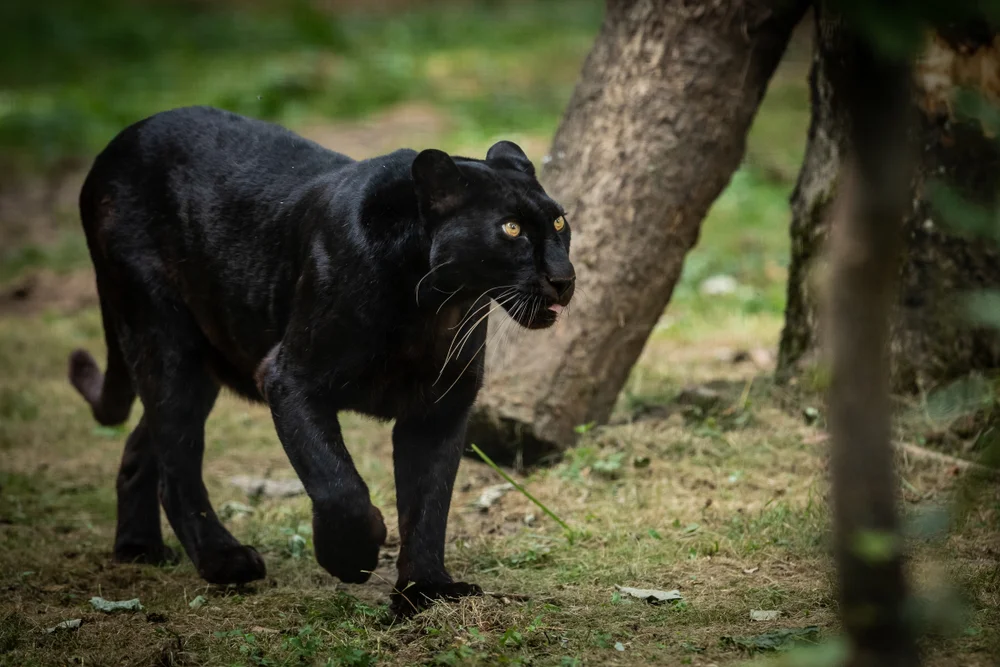
As the nighttime awakens and the diurnal animals retire, it's a chance to see the various dynamics of the wild. On a night Kenya game drive, you might spot leopards on the hunt, hyenas calling to each other, or hippos grazing under the stars. Other nocturnal residents include aardvarks, bat-eared foxes, bush babies, porcupines, owls, and the mysterious genet cat.
As the nighttime awakens and the diurnal animals retire, it's a chance to see the various dynamics of the wild. On a night Kenya game drive, you might spot leopards on the hunt, hyenas calling to each other, or hippos grazing under the stars. Other nocturnal residents include aardvarks, bat-eared foxes, bush babies, porcupines, owls, and the mysterious genet cat.
Experiences at Evening Kenya Safari Drive
- Spot Nocturnal Animals: During these safari trips in Kenya, keep a lookout for hyenas, genets, owls, and other amazing nocturnal creatures that come to life when night falls. Many animals that are difficult to spot during the day become active at night.
- Seize the Golden Hour: A photographer's paradise is the gentle, golden light at sunset. Now is the ideal time to take beautiful photos of the savannah, wildlife, and the amazing scenery.
- Sundowners with a View: The evening trip typically concludes at a picturesque overlook where you can relax with "sundowners"—refreshing cocktails, mocktails, or soft drinks—while taking in expansive vistas of the Kenyan countryside.
- A Moment to Connect: Travelers frequently love this laid-back social time, which allows them to exchange stories, marvel at the sights of the day, and take in the wonder of the safari beneath the expansive Kenyan sky.
Evening Entertainment with Dinner
It's time to unwind and rejuvenate in camp following an exciting day of Kenya game drives. What to anticipate on an evening at locations such as Mara Siligi Camp is as follows:
- Delectable Dinner: Savor a substantial meal that combines well-known international foods with regional Kenyan delicacies. Meals are carefully prepared to accommodate a wide range of palates, especially those of children and picky eaters.
- Campfire Telling Tales: Gather around the fire to listen to engrossing tales about the local customs, wildlife, and terrain. The magic of your Kenyan safari vacations is brought to life by this unique experience.
- Maasai Cultural Performances: You can enjoy Kenya's rich heritage and develop a deeper cultural connection by attending some evenings that feature traditional Maasai dance and music.
- Stargazing: The African night sky offers a breathtaking show of stars with minimal light pollution. Taking in the immensity of the outdoors is the ideal way to wind down at the end of the day.
A Day to Remember
From the anticipation of the Kenya morning safari to the thrill of the afternoon safari in Kenya, every moment on a Kenya Game Drive is a reminder of nature’s wonder. As you drift to sleep beneath a sky ablaze with stars, you’ll carry with you the sights, sounds, and spirit of the wild—until sunrise calls you out again for another unforgettable day.
FAQs
1. Which is the best month to visit Kenya for game drives?
Ans: The best months for Kenya game drives are during the dry season, from June to October, when wildlife viewing is at its peak and the famous wildebeest migration takes place in the Masai Mara. June, September, and October are particularly recommended for fewer crowds and excellent wildlife sightings. Avoid April, which is the height of the wet season and can make travel difficult due to heavy rains.
2. How long is a game drive in Masai Mara?
Ans: A typical game drive in the Masai Mara lasts between 2 to 3 hours. Drives are often scheduled in the early morning and late afternoon, but full-day game drives are also available for those wanting a more immersive experience. Night game drives, offered in private conservancies bordering the reserve, usually last about 2 hours, typically starting at 7 pm or 9 pm.
3. How much does a 5-day safari in Kenya cost?
Ans: The cost of a 5-day safari in Kenya varies widely depending on the level of comfort and exclusivity. Budget camping tours start at around US$550 per person, mid-range lodge safaris range from US$1,200 to US$2,000 per person, and luxury tours can start at about US$1,500 per person. Group tours are generally more affordable, while private and fly-in safaris cost more.
4. Which is better, Tanzania or Kenya?
Ans: Both Kenya and Tanzania are premier safari destinations, sharing the Serengeti ecosystem and offering the chance to see the Big Five and the Great Migration. Tanzania has the larger Serengeti National Park and the impressive Ngorongoro Crater, but Kenya’s Masai Mara offers higher wildlife densities and is generally better for shorter trips. Kenya is also typically more affordable and provides rich cultural experiences with the Masai people. If you have limited time, Kenya’s Masai Mara is often the better choice; for longer, more varied safaris, Tanzania may have the edge.
5. What animals can we spot during the game drives in Kenya?
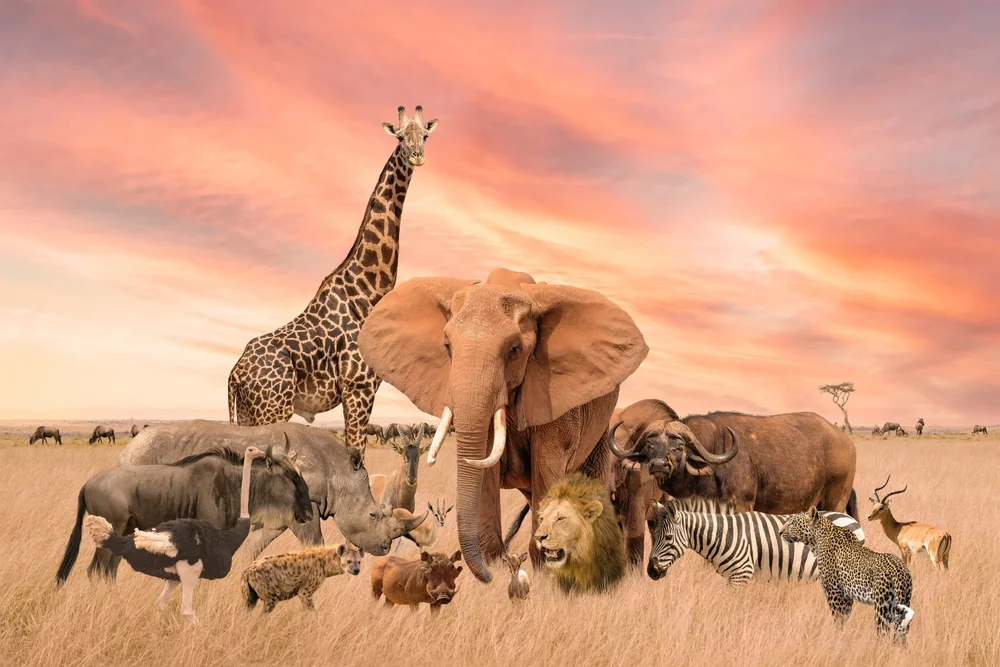
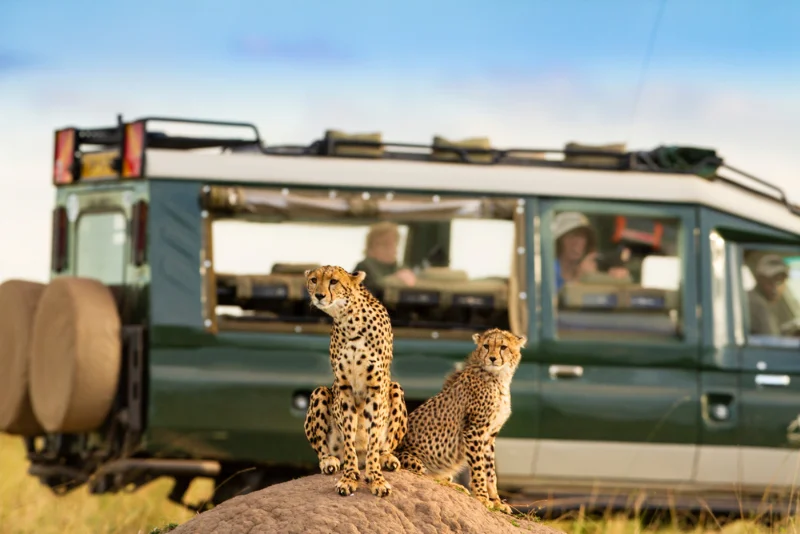
Ans: During Kenya Game Drives, you can spot all of Africa’s Big Five: lions, leopards, elephants, buffalo, and rhinos. Other commonly seen animals include wildebeest, zebras, giraffes, hippos, crocodiles, cheetahs, hyenas, antelopes, gazelles, and a wide variety of bird species. Night drives in conservancies may reveal nocturnal animals such as aardvarks, bat-eared foxes, honey badgers, and owls.
6. Which game drive is better, morning or afternoon?
Ans: Both morning and afternoon game drives in Kenya offer excellent wildlife viewing, but each has its advantages. Morning drives are ideal for spotting predators and other animals when they are most active in the cooler hours. Afternoon drives are great for observing animals as they become active again after the heat of the day, with beautiful golden light for photography. Many travelers recommend experiencing both to maximize your sightings and enjoy the full rhythm of the savannah.
Want the best Kenya package, handpicked just for you?
Share your travel needs and our travel experts will reach out to you.
Insider guides
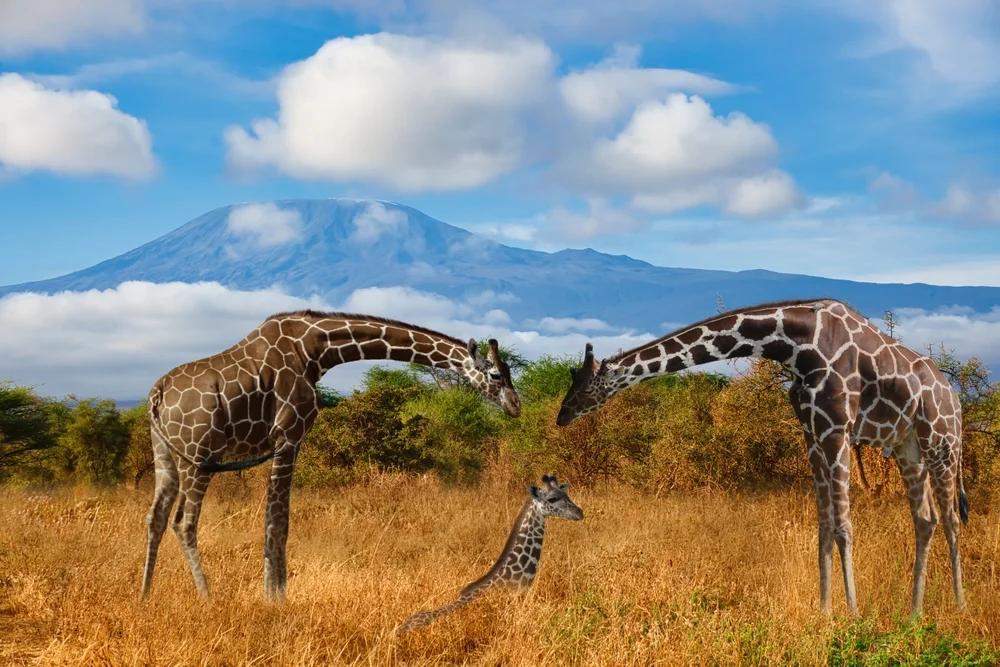
Game Drive Etiquette: Tips for Responsible Safari Tourism in Kenya Mridulakshi Jain
Mridulakshi Jain16 October, 2025
The Great Wildebeest Migration: Nature’s Most Spectacular Journey Riddhi Jain
Riddhi Jain16 September, 2025

Best International Tour Packages
France Tour PackagesBali Tour PackagesCroatia Tour PackagesGreece Tour PackagesSingapore Tour PackagesSwitzerland Tour PackagesTurkey Tour PackagesAustralia Tour PackagesAustria Tour PackagesCzech Republic Tour PackagesDubai Tour PackagesFinland Tour PackagesHungary Tour PackagesIceland Tour PackagesNetherlands Tour PackagesNew Zealand Tour PackagesNorway Tour PackagesPoland Tour PackagesGermany Tour PackagesVietnam Tour PackagesItaly Tour PackagesMauritius Tour PackagesThailand Tour PackagesMalaysia Tour PackagesJapan Tour PackagesDenmark Tour PackagesSweden Tour PackagesSpain Tour PackagesIndia Tour PackagesMexico Tour PackagesPortugal Tour PackagesMaldives Tour PackagesSouth Africa Tour PackagesSri Lanka Tour PackagesPhilippines Tour PackagesUnited Kingdom Tour PackagesFiji Tour PackagesEurope Tour PackagesSeychelles Tour Packages
Best International Honeymoon Tour Packages
Thailand Honeymoon PackagesBali Honeymoon PackagesSingapore Honeymoon PackagesDubai Honeymoon PackagesMauritius Honeymoon PackagesGreece Honeymoon PackagesSwitzerland Honeymoon PackagesItaly Honeymoon PackagesSri Lanka Honeymoon PackagesJapan Honeymoon PackagesVietnam Honeymoon PackagesMalaysia Honeymoon PackagesMaldives Honeymoon PackagesNorway Honeymoon PackagesFinland Honeymoon PackagesIceland Honeymoon PackagesSpain Honeymoon PackagesCroatia Honeymoon PackagesDenmark Honeymoon PackagesAustralia Honeymoon PackagesSweden Honeymoon PackagesCzech Republic Honeymoon PackagesHungary Honeymoon PackagesGermany Honeymoon PackagesNetherlands Honeymoon PackagesPortugal Honeymoon PackagesPoland Honeymoon PackagesFrance Honeymoon PackagesAustria Honeymoon PackagesEurope Honeymoon PackagesSeychelles Honeymoon Packages
Best International Family Tour Packages
Thailand Family PackagesDubai Family PackagesBali Family PackagesMaldives Family PackagesMalaysia Family PackagesSingapore Family PackagesSwitzerland Family PackagesMauritius Family PackagesSri Lanka Family PackagesGreece Family PackagesItaly Family PackagesNorway Family PackagesVietnam Family PackagesDenmark Family PackagesFinland Family PackagesIceland Family PackagesJapan Family PackagesSweden Family PackagesPhilippines Family PackagesHungary Family PackagesPoland Family PackagesCzech Republic Family PackagesCroatia Family PackagesPortugal Family PackagesAustria Family PackagesSpain Family PackagesGermany Family PackagesNetherlands Family PackagesFrance Family PackagesEurope Family Packages