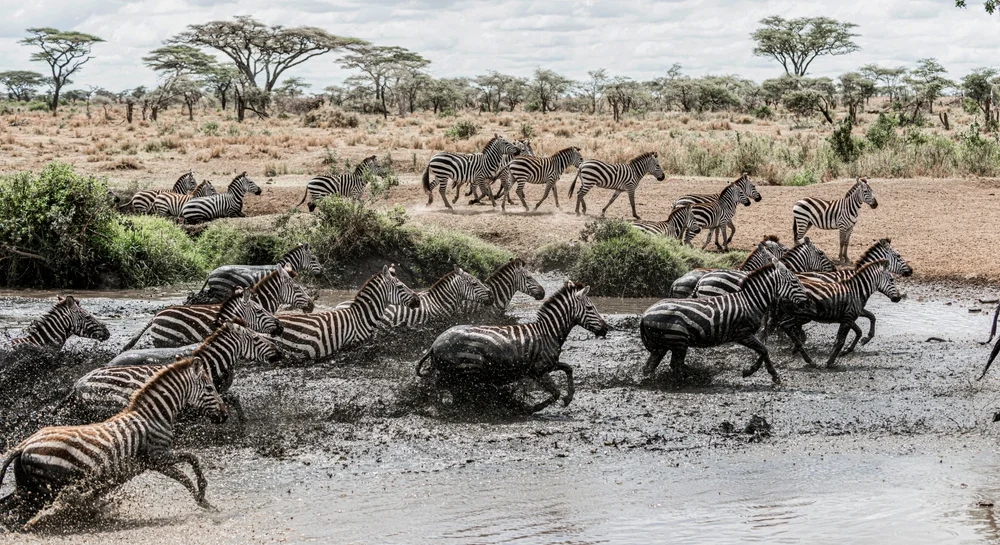
With animals traveling 800 kilometers or more per cycle, the Great Wildebeest Migration is the second greatest overland migration in the world. In pursuit of healthy pasture, between 1.4 and 2.5 million wildebeest, along with zebra and other species, plod or canter across Kenya's Maasai Mara National Reserve and Tanzania's Serengeti National Park. The sheer scale and drama of this migration have earned it a place among the world’s greatest natural wonders, drawing nature enthusiasts, photographers, and adventurers from around the globe.
What makes the Great Wildebeest Migration so captivating is not just the numbers, but the raw display of survival, instinct, and the interconnectedness of life. Approximately 250,000 wildebeest and 30,000 zebras perish annually during the migration due to carnivore predation, drowning, dehydration, hunger, and weariness.
Human safari lovers, who love the drama and magic of the Greatest Show on Earth, are another migratory species that follows the herds. Nature does not follow Swiss time, and even the well-known river crossings are unpredictable in terms of timing and location, so this is not your typical African safari. Experienced travelers and guides know how to appreciate the many layers of bush life while waiting for the spectacular river crossings and predator action. In fact, the attraction is the unpredictability.
What makes the Great Wildebeest Migration so captivating is not just the numbers, but the raw display of survival, instinct, and the interconnectedness of life. Approximately 250,000 wildebeest and 30,000 zebras perish annually during the migration due to carnivore predation, drowning, dehydration, hunger, and weariness.
Human safari lovers, who love the drama and magic of the Greatest Show on Earth, are another migratory species that follows the herds. Nature does not follow Swiss time, and even the well-known river crossings are unpredictable in terms of timing and location, so this is not your typical African safari. Experienced travelers and guides know how to appreciate the many layers of bush life while waiting for the spectacular river crossings and predator action. In fact, the attraction is the unpredictability.
What Is the Great Wildebeest Migration?
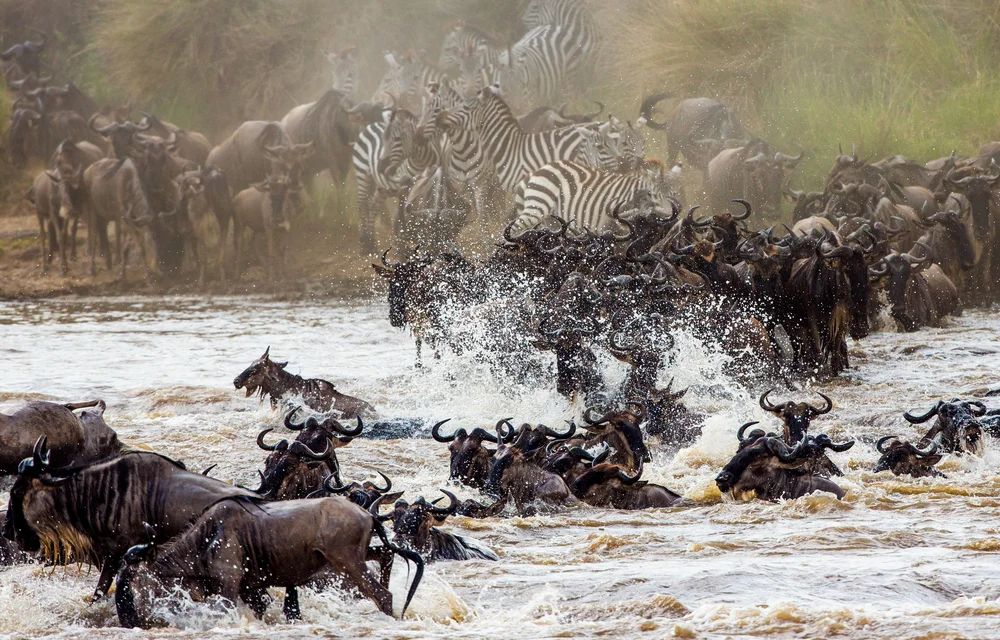
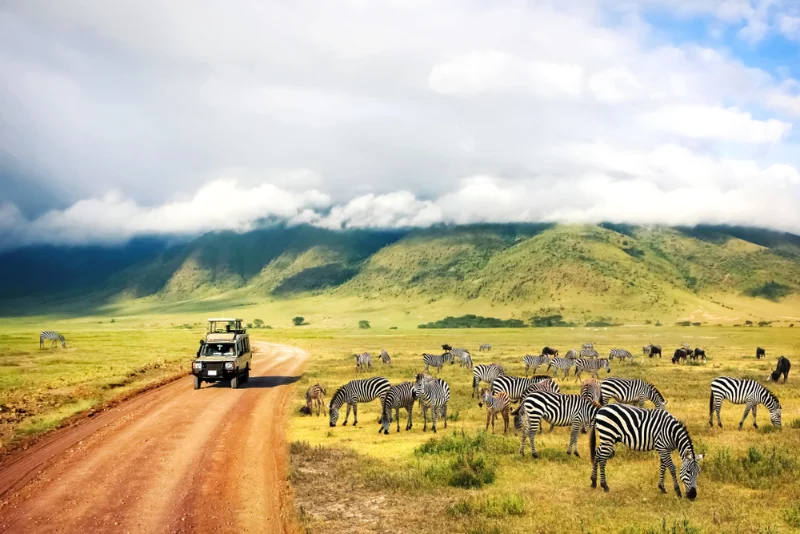
One of the world's most stunning natural phenomena is the Great Wildebeest Migration, which mostly takes place in Tanzania's Serengeti National Park and Kenya's Maasai Mara National Reserve in East Africa. The wildebeests migrate in a circular pattern rather than a straight one. From the Serengeti, they travel south into the Maasai Mara before returning to the Serengeti when the rains resume. Large numbers of wildebeests and other herbivores, including zebras and gazelles, migrate every year in search of greener pastures and water sources.
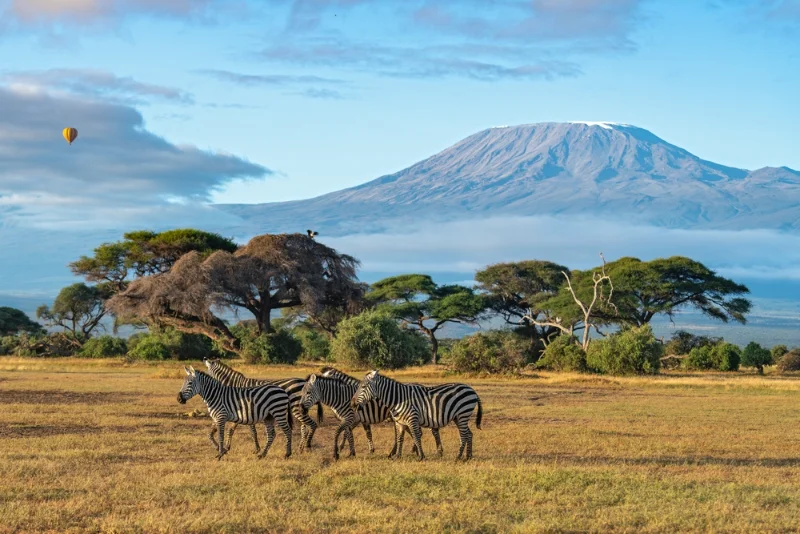
Blue wildebeests, sometimes referred to as common wildebeests, are the main migrants. Gazelles and zebras frequently go with them. The movement of herbivores across the plains is not the only aspect of the wildebeest migration. Additionally, it draws a lot of predators, including crocodiles, lions, leopards, and hyenas. The quantity of prey during this period is taken advantage of by the predators.
Blue wildebeests, sometimes referred to as common wildebeests, are the main migrants. Gazelles and zebras frequently go with them. The movement of herbivores across the plains is not the only aspect of the wildebeest migration. Additionally, it draws a lot of predators, including crocodiles, lions, leopards, and hyenas. The quantity of prey during this period is taken advantage of by the predators.
The Migration Route & Timeline
The route of the Great Wildebeest Migration spans approximately 800 kilometers, forming a vast loop through Tanzania and Kenya. Here’s a month-by-month breakdown:
December to March: Herds gather in the southern Serengeti, including the nutrient-rich plains near the Ngorongoro Conservation Area, where calving season occurs.
April to May: As rains diminish, the herds move northwest toward the Grumeti River, splitting into groups that traverse different parts of the Serengeti.
June to July: Wildebeests reach the western corridor and prepare for the perilous Grumeti and Mara River crossings.
July to September: The most dramatic phase, with massive herds crossing the Mara River into Kenya’s Maasai Mara. This is the peak of the wildebeest migration Kenya safaris target.
October to November: As the rains return to the south, the herds gradually move back to the Serengeti, completing the cycle.
Key locations include Tanzania’s Serengeti National Park and Kenya’s Maasai Mara National Reserve, both offering prime viewing opportunities for this natural marvel. The timing of the Great Wildebeest Migration is influenced by rainfall patterns, which can vary each year, sometimes altering the pace and direction of the herds. This unpredictability adds to the excitement for travelers hoping to witness the wildebeest migration Kenya is renowned for, as each season brings new challenges and spectacles along the route.
December to March: Herds gather in the southern Serengeti, including the nutrient-rich plains near the Ngorongoro Conservation Area, where calving season occurs.
April to May: As rains diminish, the herds move northwest toward the Grumeti River, splitting into groups that traverse different parts of the Serengeti.
June to July: Wildebeests reach the western corridor and prepare for the perilous Grumeti and Mara River crossings.
July to September: The most dramatic phase, with massive herds crossing the Mara River into Kenya’s Maasai Mara. This is the peak of the wildebeest migration Kenya safaris target.
October to November: As the rains return to the south, the herds gradually move back to the Serengeti, completing the cycle.
Key locations include Tanzania’s Serengeti National Park and Kenya’s Maasai Mara National Reserve, both offering prime viewing opportunities for this natural marvel. The timing of the Great Wildebeest Migration is influenced by rainfall patterns, which can vary each year, sometimes altering the pace and direction of the herds. This unpredictability adds to the excitement for travelers hoping to witness the wildebeest migration Kenya is renowned for, as each season brings new challenges and spectacles along the route.
Reasons Behind the Migration
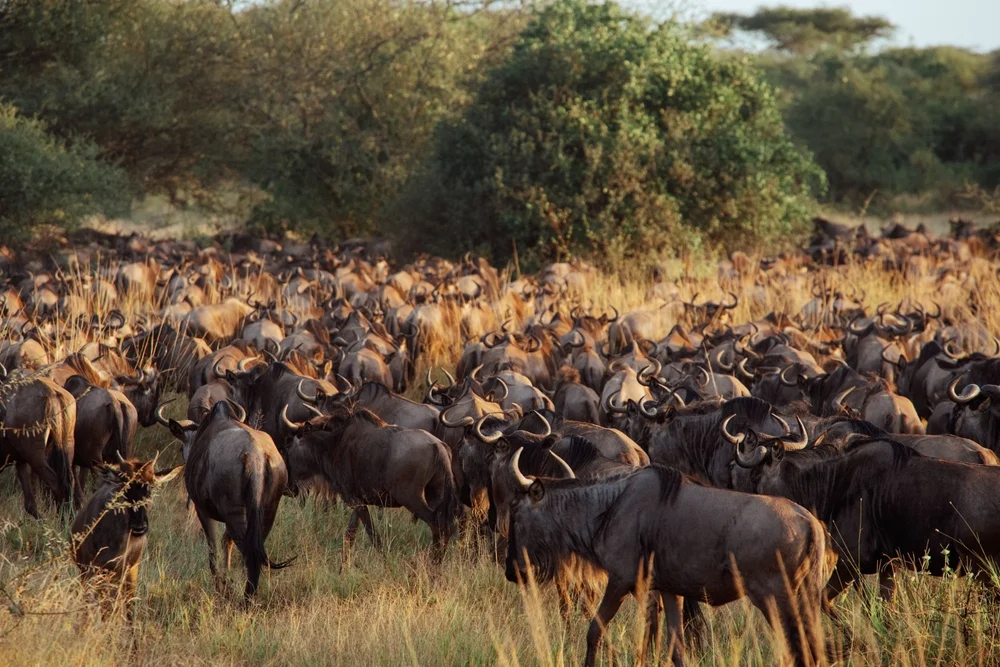
The animals are simply searching for new, lush grass by following the showers. Taking advantage of East Africa's highly seasonal circumstances, they spend the dry season in the northwest forests and the wet season on the plains in the southeast. Because of their overwhelming numbers, the animals themselves influence their surroundings to suit their needs.
The 800-kilometer trek is a continuous cycle of dispersal and movement. The migration isn't always moving forward. The availability of water is the main factor influencing the wildebeest's daily drinking needs and mobility. It's interesting that the animals follow the storms as if they have a sixth sense!
There is no actual beginning or end to this epic adventure. A wildebeest's existence is a never-ending journey since they are always looking for food and water. But there are risks associated with this quest. Over 250,000 wildebeest die annually due to predators, fatigue, or injuries. The movement is a finely tuned survival strategy, honed over millennia, that helps maintain the balance of the ecosystem. The wildebeest migration Kenya and Tanzania witness each year is a living example of nature’s adaptability and resilience.
The 800-kilometer trek is a continuous cycle of dispersal and movement. The migration isn't always moving forward. The availability of water is the main factor influencing the wildebeest's daily drinking needs and mobility. It's interesting that the animals follow the storms as if they have a sixth sense!
There is no actual beginning or end to this epic adventure. A wildebeest's existence is a never-ending journey since they are always looking for food and water. But there are risks associated with this quest. Over 250,000 wildebeest die annually due to predators, fatigue, or injuries. The movement is a finely tuned survival strategy, honed over millennia, that helps maintain the balance of the ecosystem. The wildebeest migration Kenya and Tanzania witness each year is a living example of nature’s adaptability and resilience.
Iconic Moments of the Migration
Few wildlife events rival the drama of the Great Wildebeest Migration’s river crossings. Photographers and filmmakers have captured the iconic scene of the crossing of the Grumeti and Mara Rivers. The herds' crossing of crocodile-infested rivers, like Kenya's Mara River, is one of the migration's most iconic and dramatic scenes. Because predators, especially crocodiles, are waiting in wait, these river crossings are dangerous and frequently result in fatalities.
The movement of herbivores across the plains is not the only aspect of the wildebeest migration. Additionally, predator-prey encounters are another highlight. Lions, hyenas, and crocodiles lie in wait, taking advantage of the chaos. The quantity of prey during this period is exploited by the predators. For many, witnessing the wildebeest migration Kenya offers during these crossings is the pinnacle of any safari adventure. These moments, often captured in documentaries and photographs, showcase the raw reality of life on the savannah.
The movement of herbivores across the plains is not the only aspect of the wildebeest migration. Additionally, predator-prey encounters are another highlight. Lions, hyenas, and crocodiles lie in wait, taking advantage of the chaos. The quantity of prey during this period is exploited by the predators. For many, witnessing the wildebeest migration Kenya offers during these crossings is the pinnacle of any safari adventure. These moments, often captured in documentaries and photographs, showcase the raw reality of life on the savannah.
How to Experience the Migration
To truly witness the Great Wildebeest Migration, planning and flexibility are key. The most popular way to experience this phenomenon is through guided driving safaris, which allow you to follow the herds across the Serengeti and Maasai Mara. There are several ways to witness the Great Wildebeest Migration:
1. Driving Safaris
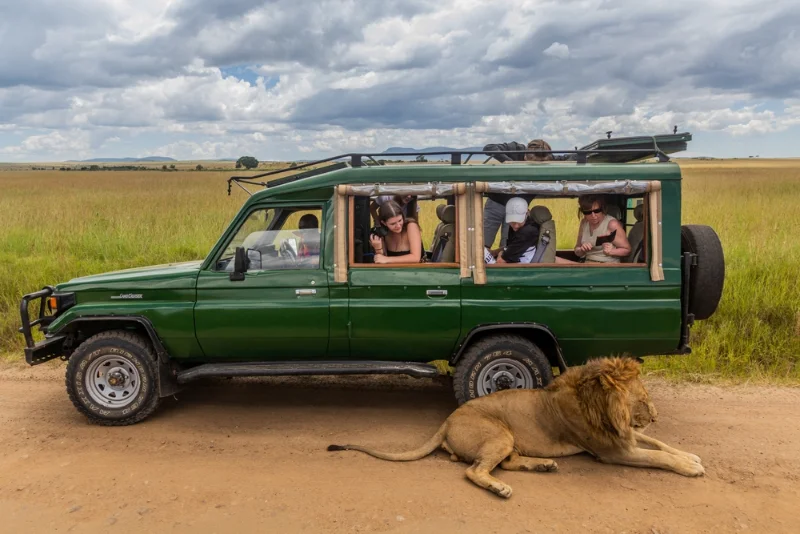
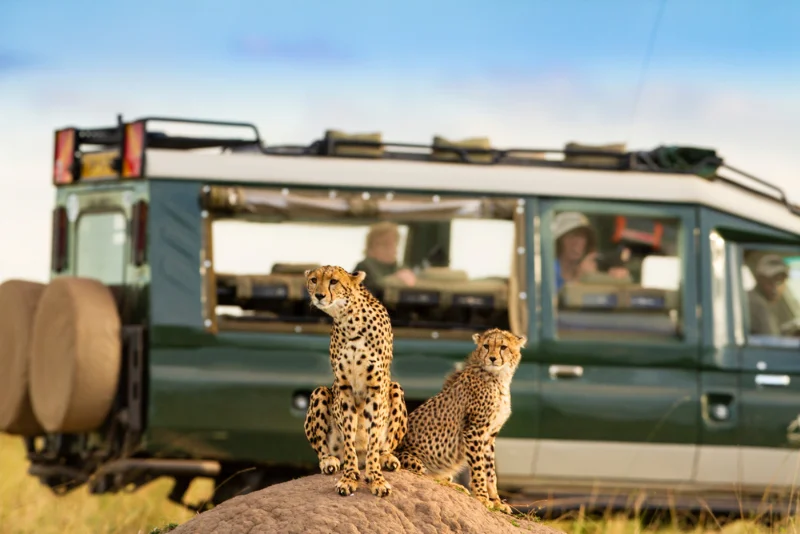
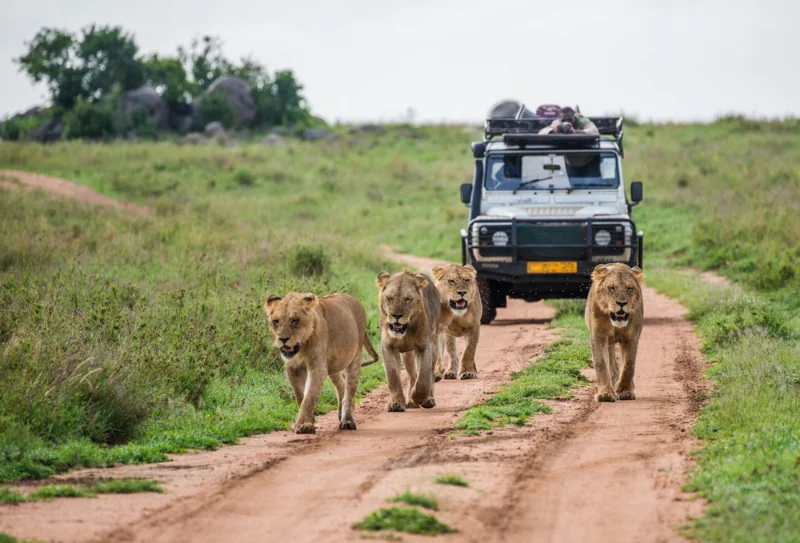
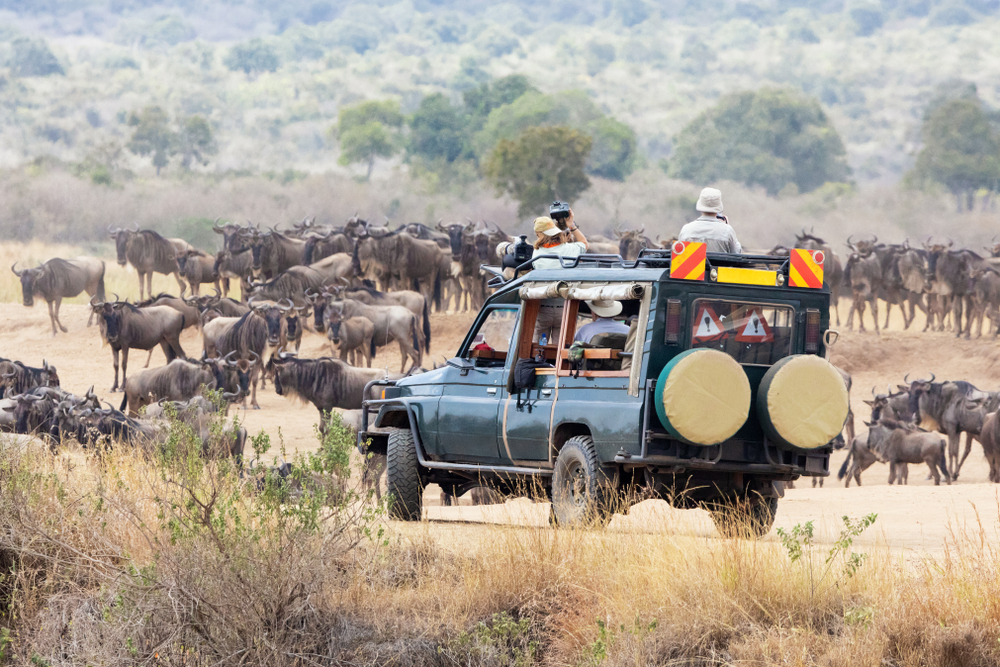 Driving safaris are the most popular way to experience the Great Wildebeest Migration. Guided by expert rangers in 4x4 vehicles, you can follow the herds across vast landscapes, witness dramatic river crossings, and enjoy close encounters with wildlife in comfort and safety.
2. Walking Safaris
Walking safaris offer a more intimate adventure, allowing you to explore the migration on foot with a professional guide. This type of safari provides a unique perspective on animal behavior, tracks, and the smaller details of the ecosystem, making it ideal for those seeking an immersive, up-close experience
3. Balloon Safaris
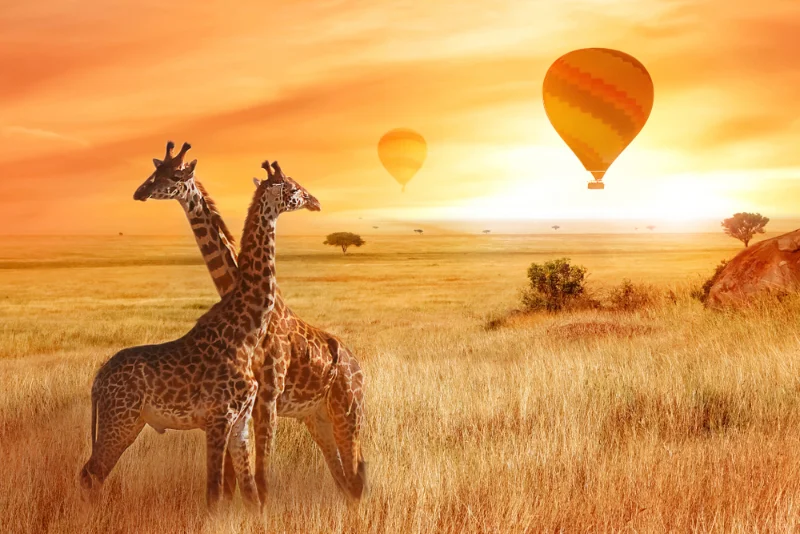
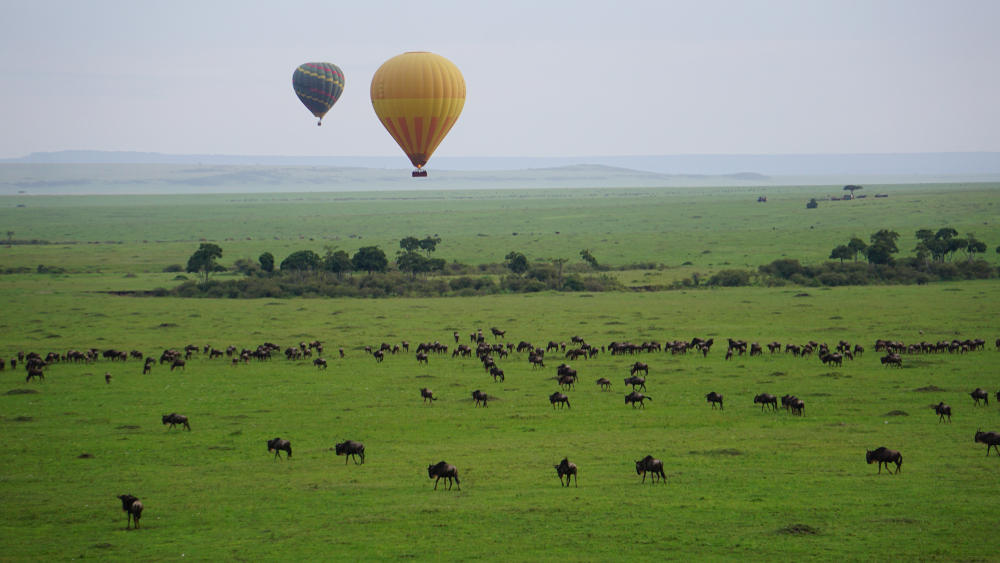 Why not reserve a memorable hot-air balloon safari for your wildebeest migration Kenya adventure? With the most breathtaking aerial view imaginable, you may soar over the vast Masai Mara grasslands at sunrise and witness migratory herds from a new angle that will leave you speechless. A number of balloons let you see the vastness and grandeur of these migrations while soaring through the skies and even spotting other wildlife.
When planning to see the wildebeest migration Kenya is famous for, consider the timing and location carefully. Guided tours are highly recommended, as experienced guides know how to position you for the best sightings. Options range from budget-friendly group tours to luxury lodges with exclusive access to prime migration routes.
Game Drive Etiquette During Migration
1. Respect
This one is significant. Respect your experienced guide at all times; they are able to read warning signs and gauge how comfortable a wild animal is, so they know when to get close. It's still a dangerous animal, so don't pester your guide to come closer for a better Instagram picture. Respecting the sensibility of your fellow travelers is also crucial.
2. Cyber consideration
Please refrain from discussing emails, noisy phone calls, or other issues you have recently learned about. Instead, move to a secluded area where people can still take in the serene bush environment. Please refrain from conversing or streaming videos on a game drive if you can get a cellphone signal there, since this is quite distracting to other people. Additionally, avoid geotagging animal locations because poachers utilize this information to locate vultures, elephants, rhinos, lions, leopards, and pangolins.
3. The view
Adjust your angle carefully while spotting the animals. Keep in mind that the guide may not always be able to alter the vehicle's position. Be considerate and offer your fellow visitors a fair opportunity to take in these breathtaking views.
4. Communicate but Quietly
Talk to your guide and other travelers because, just like in the real world, communication is essential. Your comprehension will improve and you will eventually have more fun if you communicate more, such as asking if everyone can see or if the guide should move the car. However, in order to avoid frightening off squeamish creatures, please do so discreetly.
5. Seating arrangements
Different seating arrangements are available in safari vehicles, and the middle and last seats may need to be occupied based on the maximum number of passengers. That is to say, not everyone is assured a seat by the window or up front close to the guide. Typically, your guide may advise you to switch seats with other passengers; be considerate and allow others to sit in front of you or on the side.
6. Don’t break the outline
Although your guide will bring it up, it is worth restating: animals perceive the car as a different kind of animal and are accustomed to its form and diesel-like odor. Even the sounds of an idle engine or soft conversation are familiar to them. The "animal" abruptly shifting shape is what they are not used for. The wildlife will flee if you lean out too much, stand up, try to perch on the roof, and so on because they will think the car is acting in a strange and terrifying way.
In short:
1. Respect Wildlife and Other Guests
2. Keep Safe Distances
3. Minimize Environmental Impact
4. Flash can scare animals and interfere with their natural behavior, so avoid using it, especially at night.
5. Interaction with Guides and Rangers
6. Hydration and Snacks are important
7. Maintain Calm During Exciting Sightings
8. Watch the Weather
9. Take Early Bird Advantage
10. Travel Light and Smart
In short:
1. Respect Wildlife and Other Guests
2. Keep Safe Distances
3. Minimize Environmental Impact
4. Flash can scare animals and interfere with their natural behavior, so avoid using it, especially at night.
5. Interaction with Guides and Rangers
6. Hydration and Snacks are important
7. Maintain Calm During Exciting Sightings
8. Watch the Weather
9. Take Early Bird Advantage
10. Travel Light and Smart
FAQs
1. What is the Great Wildebeest Migration?
The Great Wildebeest Migration is an annual, circular movement of over 1.5 million wildebeests, accompanied by zebras and gazelles, across the Serengeti in Tanzania and Maasai Mara in Kenya. It is driven by the search for water and fresh grazing.
2. When does the wildebeest migration take place each year?
The migration is a year-round phenomenon, but the most dramatic events—such as the Mara River crossings—typically occur between July and September. Calving season happens from December to March in the southern Serengeti.
3. Where does the migration begin and end?
There is no true beginning or end, as the migration is a continuous loop. However, it generally starts in the southern Serengeti and moves northward into Kenya’s Maasai Mara before returning south as the rains shift.
4. Why do wildebeest migrate annually?
Wildebeests migrate to follow the rains, seeking fresh grass and water. This instinctual movement helps them survive the harsh seasonal changes of the East African savannah and supports the balance of the ecosystem.
5. What countries does the migration pass through?
The Great Wildebeest Migration spans two countries: Tanzania and Kenya. The majority of the journey takes place in Tanzania’s Serengeti National Park, with the dramatic river crossings and part of the migration occurring in Kenya’s Maasai Mara National Reserve.
Want the best Kenya package, handpicked just for you?
Share your travel needs and our travel experts will reach out to you.
Insider guides
Game Drive Etiquette: Tips for Responsible Safari Tourism in Kenya Mridulakshi Jain
Mridulakshi Jain16 October, 2025
Experience the Magic of a Kenya Game Drive from Sunrise to Sunset Riddhi Jain
Riddhi Jain13 July, 2025


Best International Tour Packages
France Tour PackagesBali Tour PackagesCroatia Tour PackagesGreece Tour PackagesSingapore Tour PackagesSwitzerland Tour PackagesTurkey Tour PackagesAustralia Tour PackagesAustria Tour PackagesCzech Republic Tour PackagesDubai Tour PackagesFinland Tour PackagesHungary Tour PackagesIceland Tour PackagesNetherlands Tour PackagesNew Zealand Tour PackagesNorway Tour PackagesPoland Tour PackagesGermany Tour PackagesVietnam Tour PackagesItaly Tour PackagesMauritius Tour PackagesThailand Tour PackagesMalaysia Tour PackagesJapan Tour PackagesDenmark Tour PackagesSweden Tour PackagesSpain Tour PackagesIndia Tour PackagesMexico Tour PackagesPortugal Tour PackagesMaldives Tour PackagesSouth Africa Tour PackagesSri Lanka Tour PackagesPhilippines Tour PackagesUnited Kingdom Tour PackagesFiji Tour PackagesEurope Tour PackagesSeychelles Tour Packages
Best International Honeymoon Tour Packages
Thailand Honeymoon PackagesBali Honeymoon PackagesSingapore Honeymoon PackagesDubai Honeymoon PackagesMauritius Honeymoon PackagesGreece Honeymoon PackagesSwitzerland Honeymoon PackagesItaly Honeymoon PackagesSri Lanka Honeymoon PackagesJapan Honeymoon PackagesVietnam Honeymoon PackagesMalaysia Honeymoon PackagesMaldives Honeymoon PackagesNorway Honeymoon PackagesFinland Honeymoon PackagesIceland Honeymoon PackagesSpain Honeymoon PackagesCroatia Honeymoon PackagesDenmark Honeymoon PackagesAustralia Honeymoon PackagesSweden Honeymoon PackagesCzech Republic Honeymoon PackagesHungary Honeymoon PackagesGermany Honeymoon PackagesNetherlands Honeymoon PackagesPortugal Honeymoon PackagesPoland Honeymoon PackagesFrance Honeymoon PackagesAustria Honeymoon PackagesEurope Honeymoon PackagesSeychelles Honeymoon Packages
Best International Family Tour Packages
Thailand Family PackagesDubai Family PackagesBali Family PackagesMaldives Family PackagesMalaysia Family PackagesSingapore Family PackagesSwitzerland Family PackagesMauritius Family PackagesSri Lanka Family PackagesGreece Family PackagesItaly Family PackagesNorway Family PackagesVietnam Family PackagesDenmark Family PackagesFinland Family PackagesIceland Family PackagesJapan Family PackagesSweden Family PackagesPhilippines Family PackagesHungary Family PackagesPoland Family PackagesCzech Republic Family PackagesCroatia Family PackagesPortugal Family PackagesAustria Family PackagesSpain Family PackagesGermany Family PackagesNetherlands Family PackagesFrance Family PackagesEurope Family Packages