
A visit to
Vietnam
Party
Honeymoon
Quick Information
IDEAL DURATION
3 - 11 Days
per person
₹26,000
Vietnam
Vietnam is one of Asia’s most captivating destinations, blending ancient charm, natural wonders, and modern vibrancy in perfect harmony. This S-shaped country stretches from the misty mountains of the north to the tropical islands of the south, offering travelers a stunning range of experiences. Rich in history and culture, Vietnam enchants visitors with its warm-hearted locals, flavorful cuisine, and breathtaking...
Best time to visit
The best time to visit Vietnam is from November to April, when the weather is pleasant and ideal for sightseeing, outdoor activities, and cruising. During these months, the north stays cool and dry, while coastal regions enjoy calm seas and sunny skies. Spring (March–April) is especially stunning, with blooming flowers and mild temperatures across landscapes. If you’re planning romantic Vietnam honeymoon packages, this period ensures perfect travel conditions. Summers are warmer and more humid but great for beach vacations, while autumn has a crisp, golden charm that suits adventurous travelers.
Weather in Vietnam

May - Jul
28-35°C
Sun-soaked days, beach bliss, and island escapes.
Summer Season in Vietnam
Summer in Vietnam is hot, vibrant, and full of tropical charm. In the North, Hanoi and Ha Long Bay experience sunny skies with occasional showers, perfect for boat cruises and mountain hikes. The Central region, including Hue, Da Nang, and Hoi An, remains dry and warm, making it ideal for beach vacations and exploring cultural sites. The South enjoys a mix of sunshine and tropical rain, especially around Ho Chi Minh City and the Mekong Delta, where lush landscapes bloom. Despite the heat, it’s a great time for travelers seeking island escapes, diving, and outdoor adventures.

Dec - Feb
10-25°C
Cool breezes, cozy vibes, and cultural wonders
Winter Season in Vietnam
Winter in Vietnam varies widely across regions. In the North, temperatures drop to 10–15°C, and areas like Hanoi and Sapa see mist, fog, and cool breezes, perfect for cozy cultural exploration. The Central region enjoys mild, pleasant weather with temperatures around 20°C, allowing visitors to enjoy beaches, heritage towns, and festivals. In the South, including Ho Chi Minh City and Phu Quoc, it’s dry, sunny, and warm, ideal for island getaways and river cruises. Overall, winter is one of Vietnam’s best travel seasons, offering ideal conditions for sightseeing, adventure, and festive celebrations across the country.

Aug - Oct
25-31°C
Rain-kissed landscapes, fewer crowds, richer charm
Rainy Season in Vietnam
The monsoon in Vietnam brings lush greenery and refreshing rains, transforming the country’s landscapes into cinematic beauty. In the North, rainfall cools the temperatures, creating misty, romantic scenery in Sapa and Ha Giang. Central Vietnam, especially Hue and Da Nang, experiences heavier rains and occasional typhoons, yet remains photogenic with its rain-washed streets and vibrant local life. The South faces short but intense showers, mostly in the afternoons, while mornings stay bright and lively. This time of year is ideal for nature photographers, cultural immersion, and enjoying a quieter travel experience away from the usual tourist crowds.

Oct - Nov
22-30°C
Golden skies, crisp air, and timeless beauty
Autumn Season in Vietnam
Autumn is one of Vietnam’s most picturesque seasons, known for breezy days and golden hues. The North experiences mild weather with bright skies, ideal for visiting Hanoi, Ha Long Bay, and the northern mountains. Central Vietnam enjoys the end of monsoon rains, and cities like Hoi An and Hue shine under cooler temperatures and fewer tourists. The South transitions into its dry season, offering comfortable days with occasional showers, especially in Ho Chi Minh City and the Mekong region. This is a perfect time for travelers seeking scenic photography, outdoor experiences, and culturally rich urban exploration.

Oct - Nov
22-30°C
Tranquil trails, warm hues, and soulful journeys
Fall Season in Vietnam
Fall overlaps with autumn but carries a distinct charm of its own. In the North, the cool air and clear skies make destinations like Ha Giang and Sapa ideal for witnessing golden rice terraces. The Central region, rejuvenated after rains, becomes a tapestry of green landscapes and cultural vibrancy in Hue and Da Nang. The South enjoys warm, dry weather, allowing smooth travel to beach destinations and islands. Fall’s calm, golden light enhances the beauty of Vietnam’s temples, rivers, and countryside, making it one of the most romantic and peaceful seasons to explore the country.

Mar - Apr
20-28°C
Blossoms, festivals, and freshness in the air
Spring Season in Vietnam
Spring in Vietnam is a season of renewal and color. The North blooms with flowers, and cool temperatures make trekking through Sapa or boating in Ninh Binh a delight. In Central Vietnam, pleasant temperatures and dry days create perfect sightseeing conditions in Hue, Hoi An, and Da Nang, where lantern festivals light up the nights. The South enjoys gentle warmth and clear skies, making it ideal for relaxing on Phu Quoc’s beaches or exploring the Mekong Delta. This period also marks Vietnam’s Tet festival (Lunar New Year), filling the country with festive spirit, blossoms, and traditional charm.
How to reach Vietnam
By Air
The most popular way to reach Vietnam is by air. Vietnam has several international airports, with the main ones being Noi Bai International Airport in Hanoi, Tan Son Nhat International Airport in Ho Chi Minh City, and Da Nang International Airport. Numerous airlines offer direct flights from major cities worldwide. Budget carriers also offer affordable options for those flying from nearby countries like Thailand, Singapore, or Malaysia. Once in Vietnam, domestic flights are available to other cities.
By Train
Traveling to Vietnam by train is an adventurous and scenic option, particularly for travelers coming from neighboring countries like China. International trains run from Nanning and Beijing to Hanoi, passing through picturesque countryside and landscapes. While this method takes longer than flying, it offers an authentic experience for those who enjoy slow travel. Vietnam also has an extensive railway system, allowing travelers to explore the country once they arrive.
By Road
Vietnam shares borders with China, Laos, and Cambodia, making road travel a viable option. Several bus services operate from major cities like Phnom Penh (Cambodia), Vientiane (Laos), and Kunming (China) into Vietnamese cities. Border crossings are well established, and many backpackers choose this mode of travel for budget-friendly, overland trips. Motorbike enthusiasts also take road trips through Vietnam’s scenic mountain routes, creating a unique adventure.
By Sea
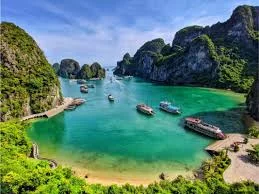
Some cruises stop at Vietnamese ports like Halong Bay, Da Nang, or Ho Chi Minh City as part of larger Southeast Asia itineraries. Cruise travel provides a luxurious and leisurely way to arrive, especially for those who enjoy a slower pace. Once docked, tourists can explore nearby attractions or continue their journey by land. This option is best suited for those combining Vietnam with a broader regional cruise vacation.
Places to Visit in Vietnam
Top packages for Vietnam
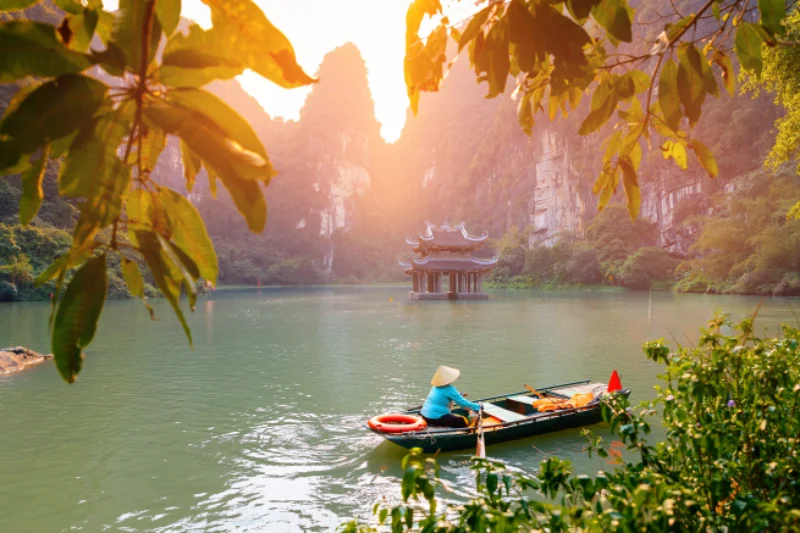
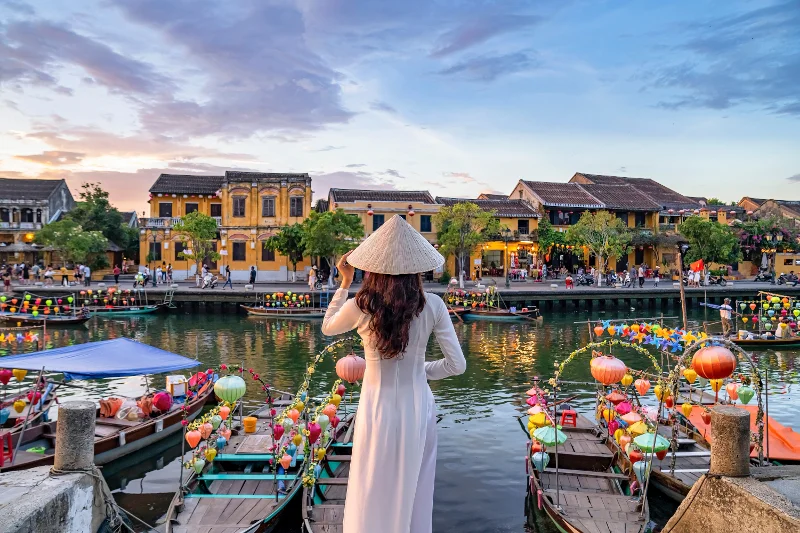
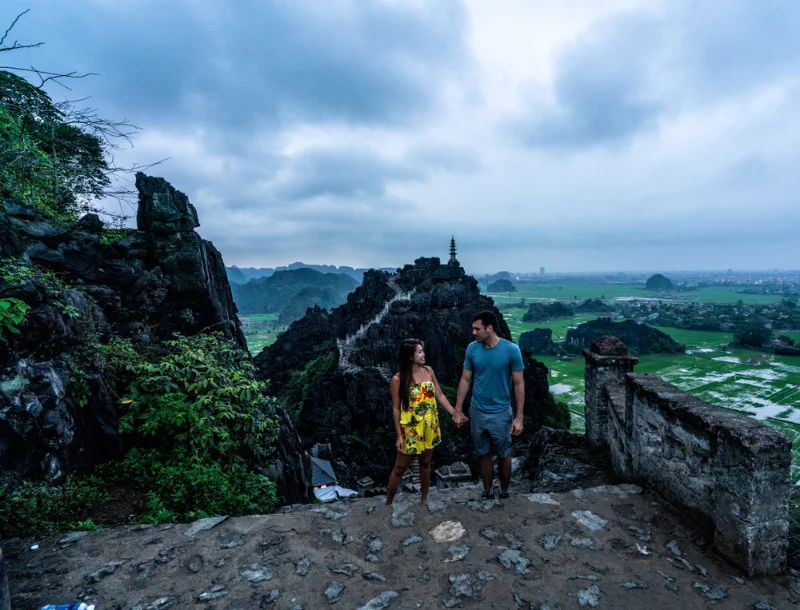
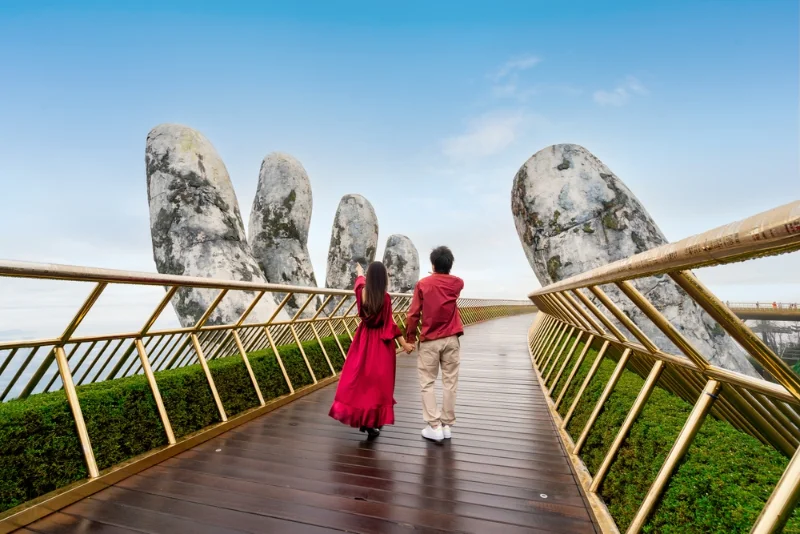
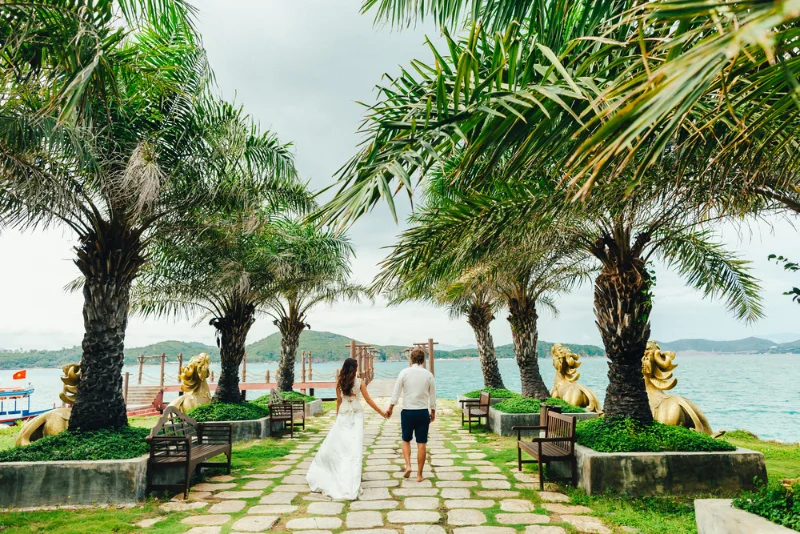

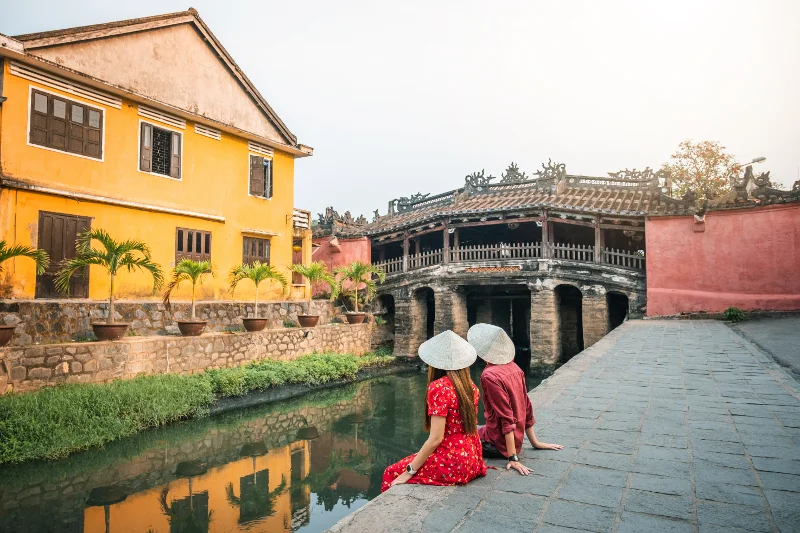
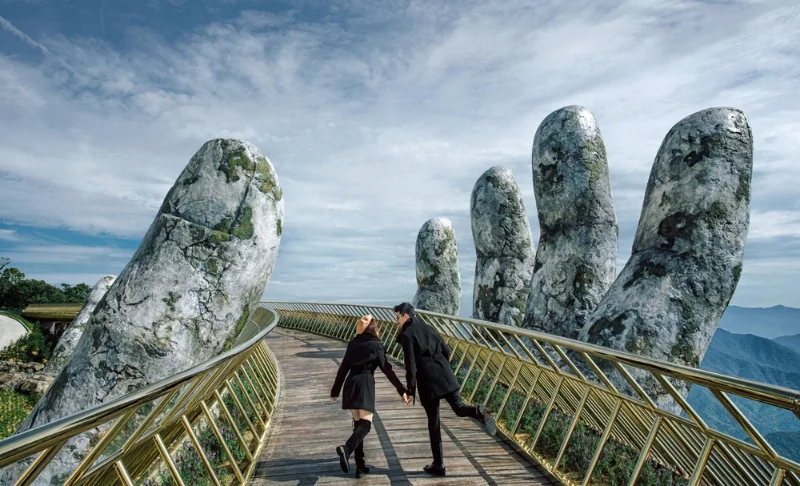
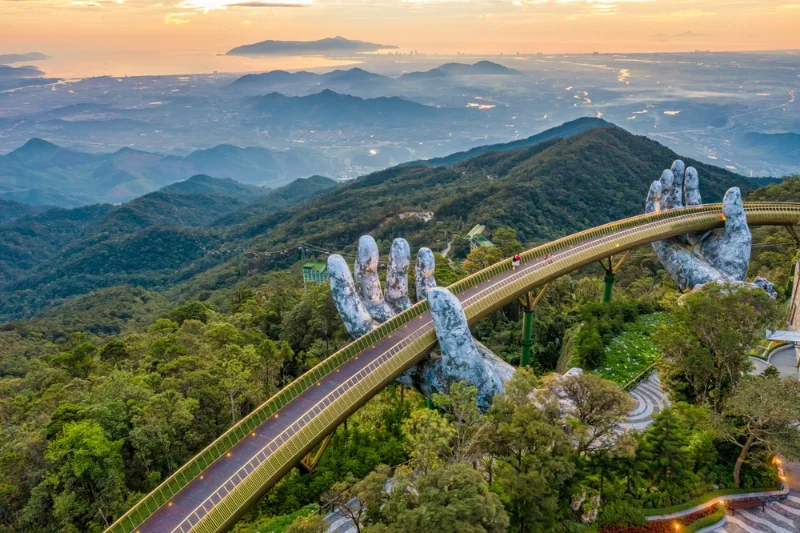
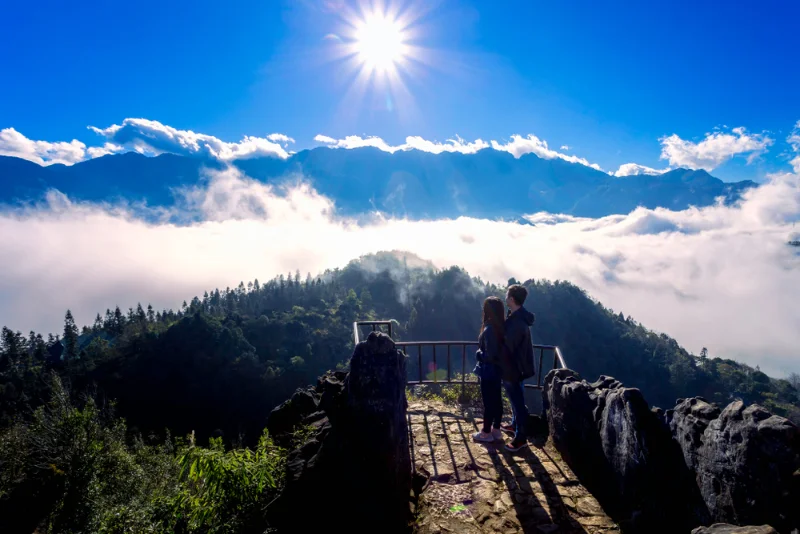
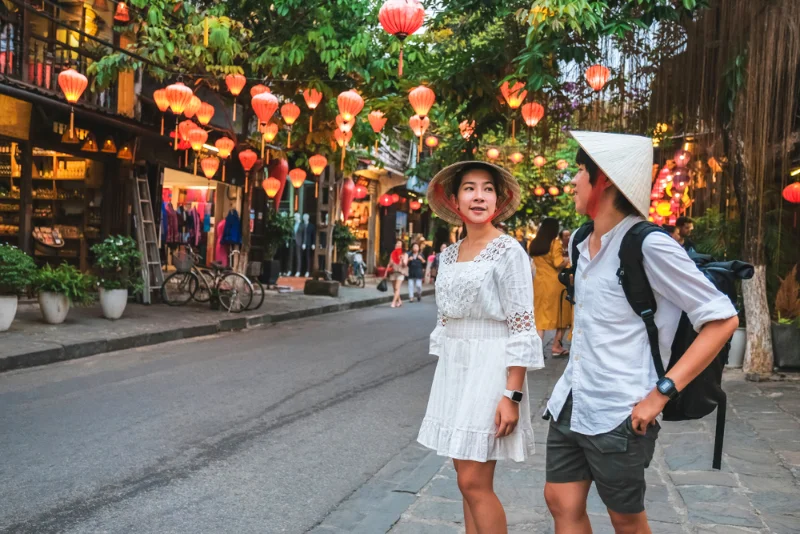
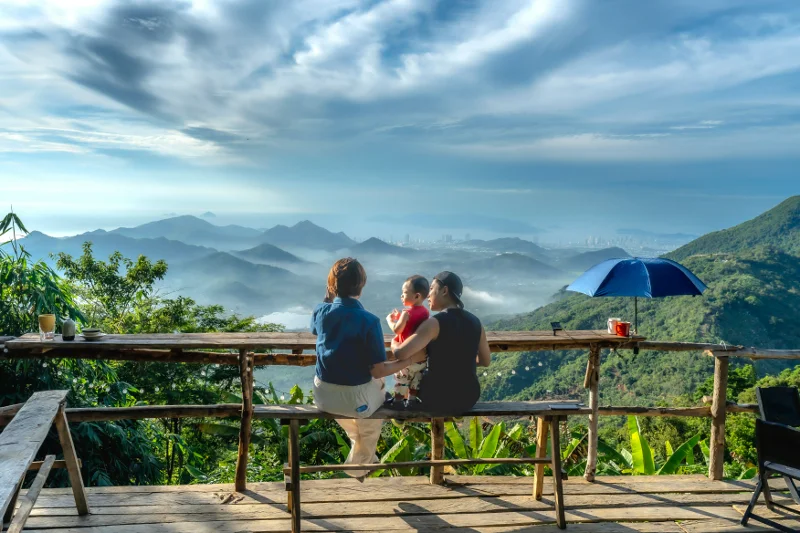
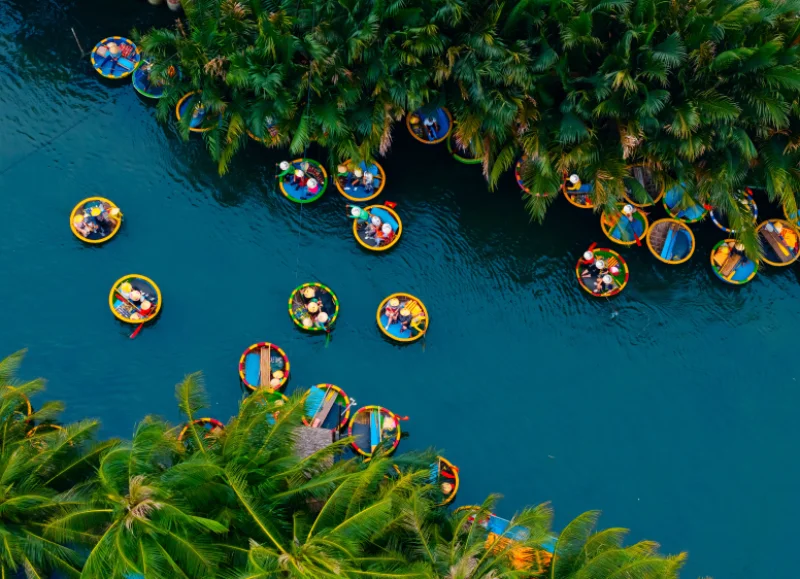


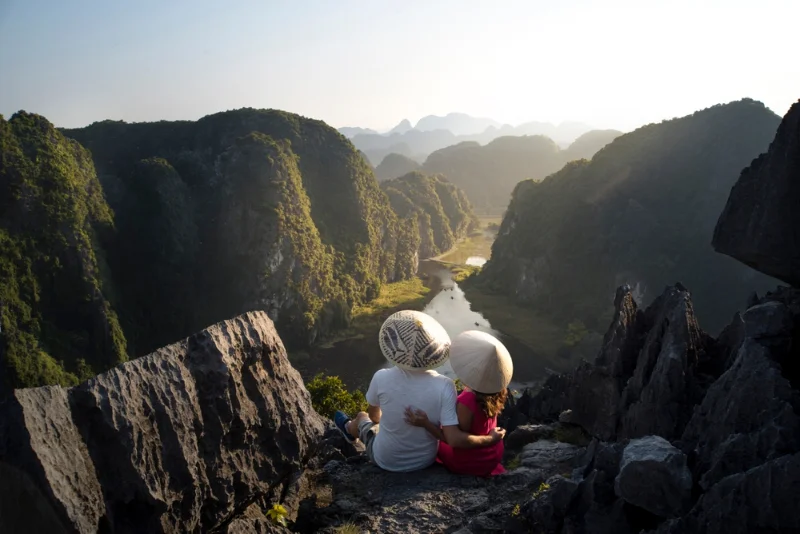
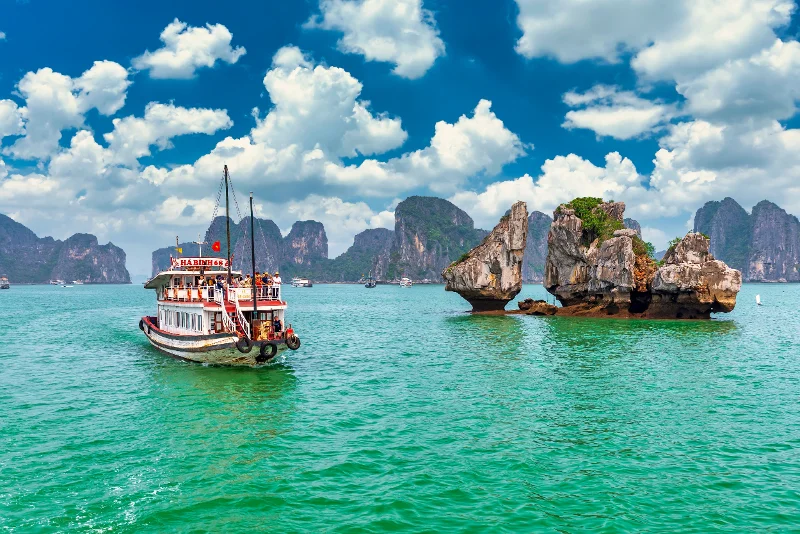
What to Eat in Vietnam
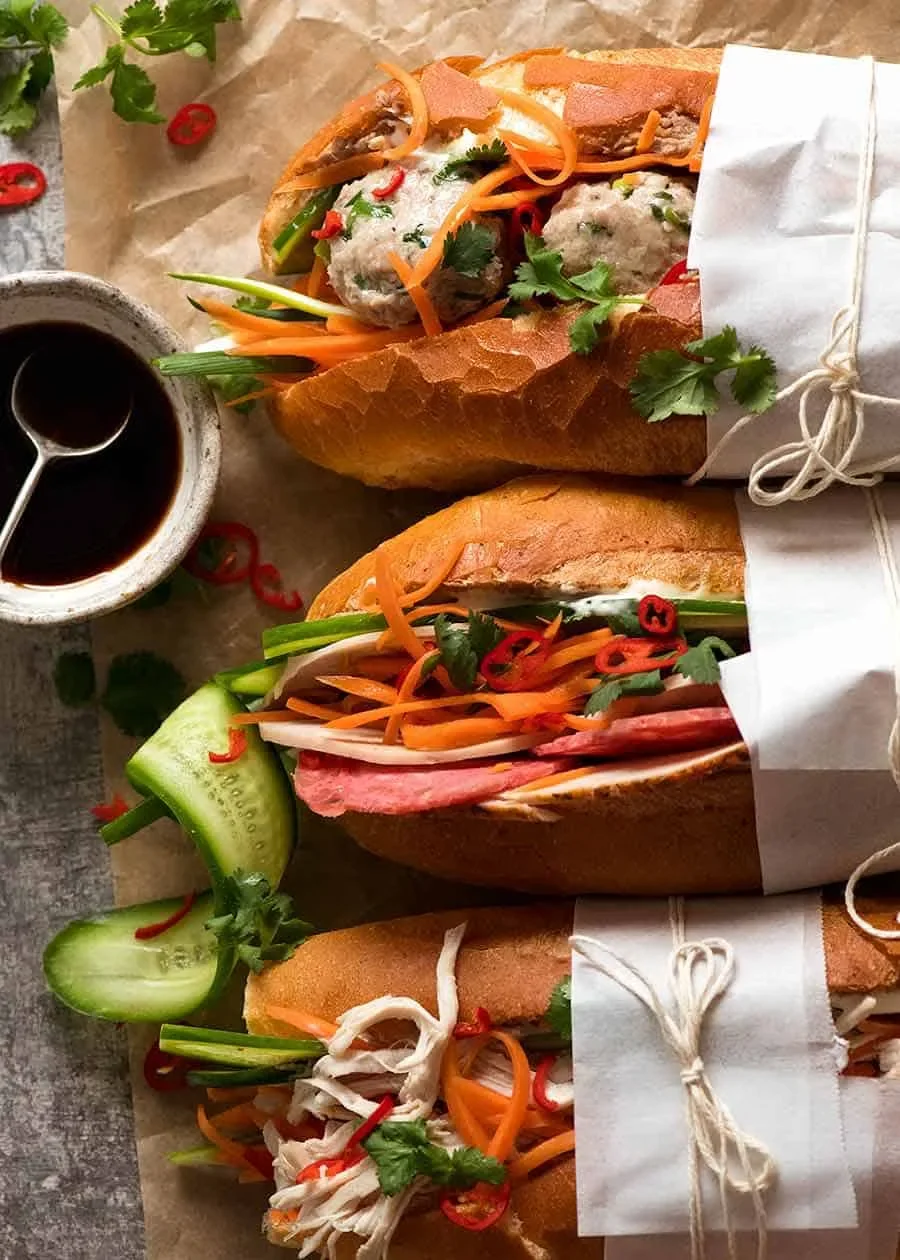
Bánh Mì (Vietnamese Sandwich)
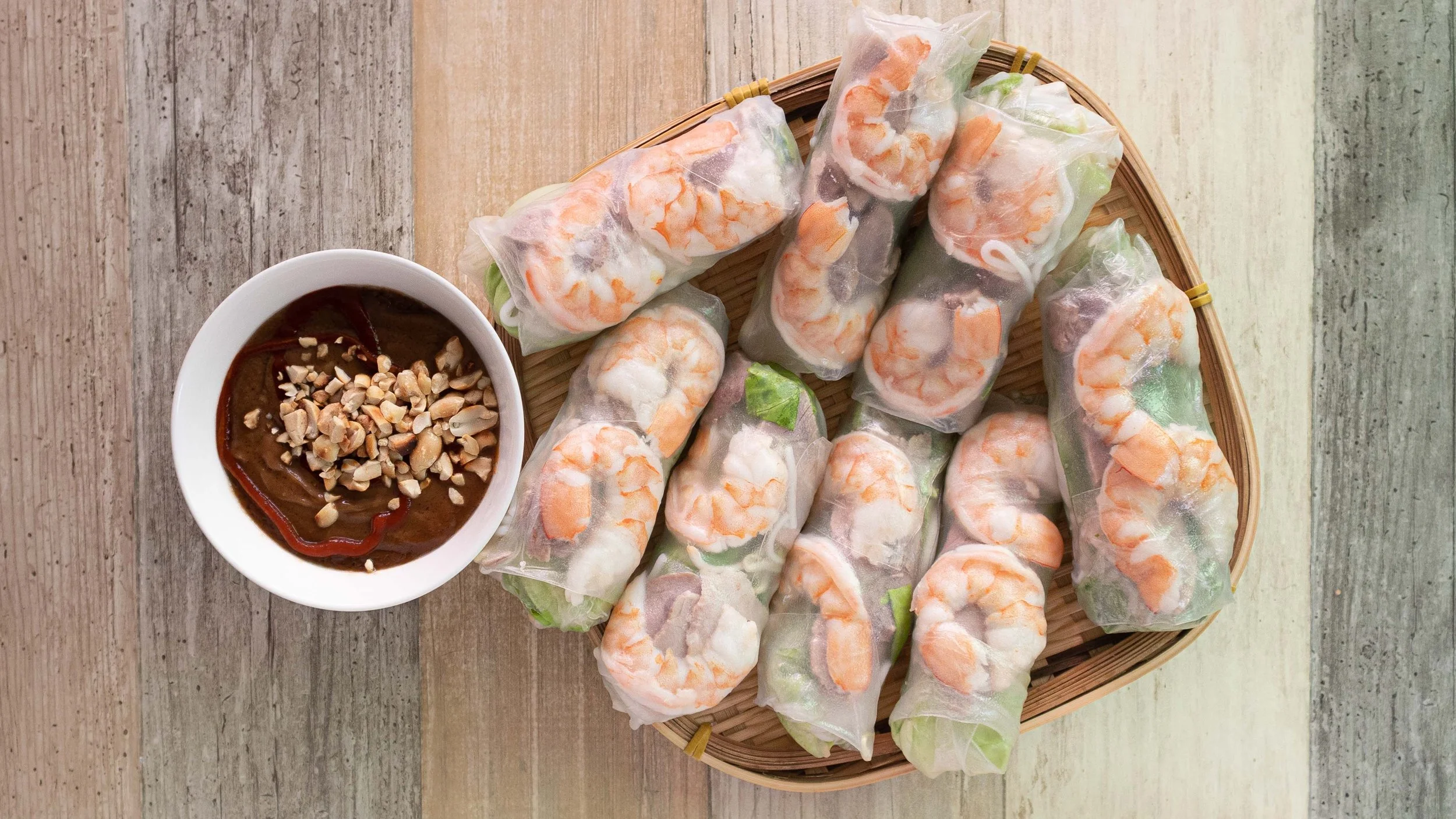
Gỏi Cuốn (Fresh Spring Rolls)
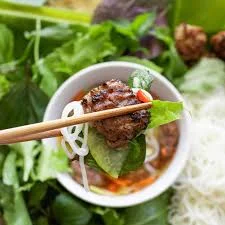
Bún Chả (Grilled Pork with Noodles)
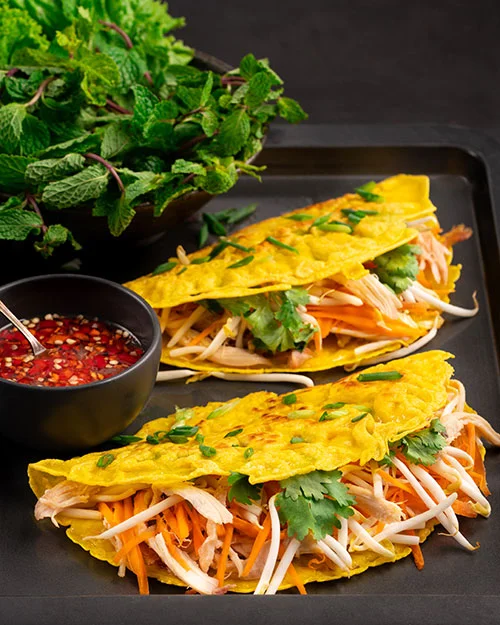
Bánh Xèo (Vietnamese Pancake)
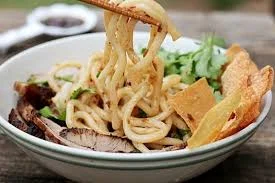
Cao Lầu (Hoi An Noodles)Cao Lầu (Hoi An Noodles) jsgdjhhhhss
Want the best Vietnam package, handpicked just for you?
Share your travel needs and our travel experts will reach out to you.
Frequently Asked Questions for Vietnam
- Lacquerware and silk products
- Vietnamese coffee and tea
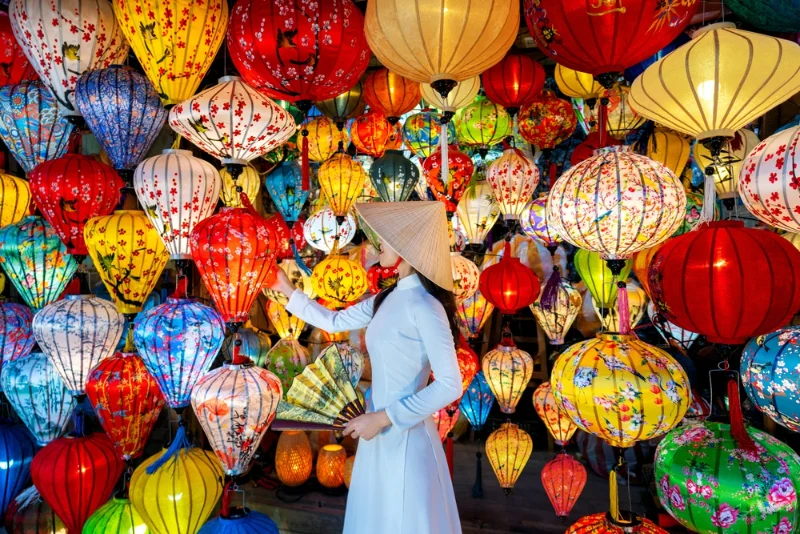
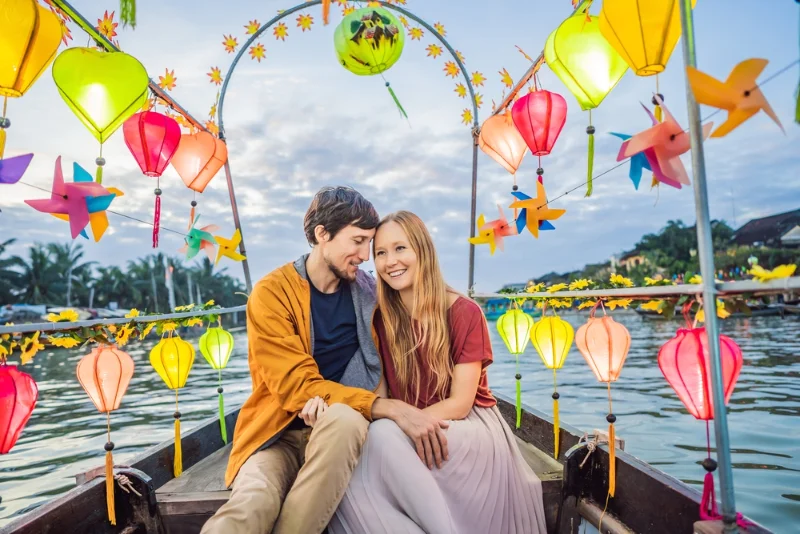
- Bamboo handicrafts and lanterns
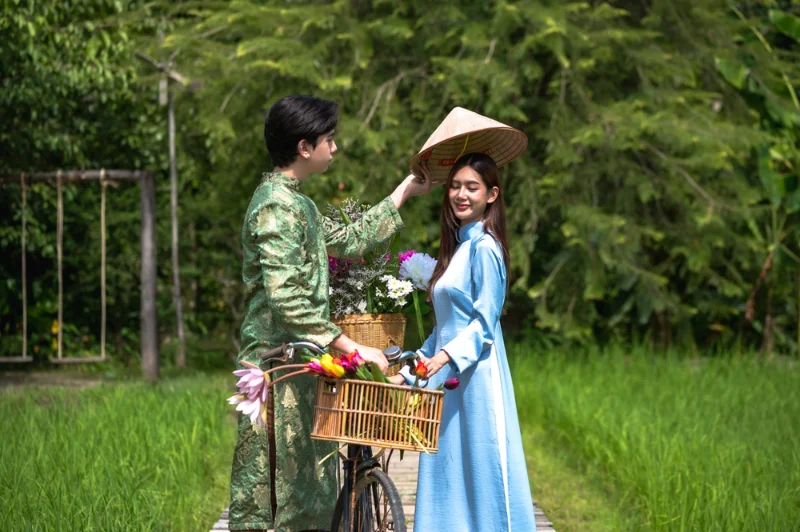
- Conical hats (Non La)
- Ao Dai traditional dresses
- Always carry a copy of your passport and visa documents.
- Use reputable apps like Grab for taxis to avoid being overcharged.
- Bargain politely at local markets, it's expected and part of the culture.
- Respect local customs, especially when visiting temples and pagodas (dress modestly and remove footwear).
- Stay hydrated and stick to bottled water to avoid stomach issues.
- Exchange currency at banks or official exchange counters, not on the street.
- Invest in a local SIM card on arrival for cheap data and maps.
- Book popular experiences like Ha Long Bay cruises in advance during peak season.
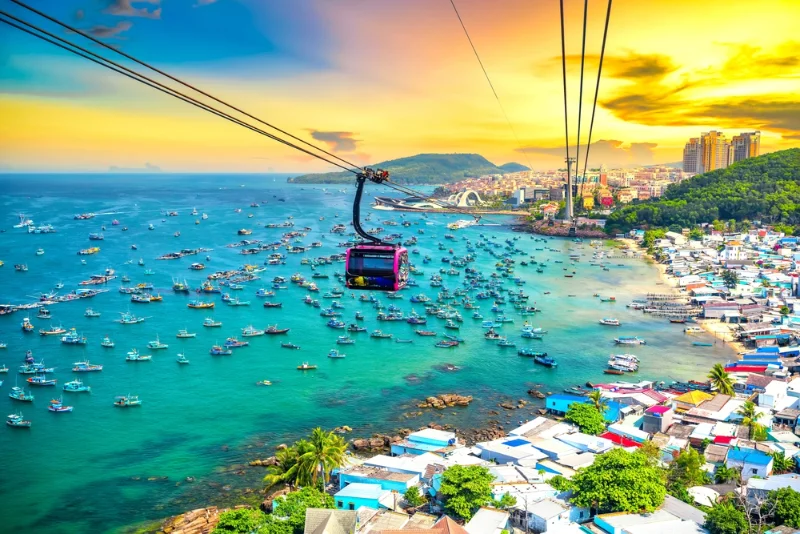
- Hon Thom Cable Car: For incredible aerial views.
- Phu Quoc Prison: A sobering historical site.
- Ho Quoc Pagoda: A stunning Buddhist temple overlooking the ocean.
- Duong Dong Night Market: The best spot for local seafood and souvenirs.
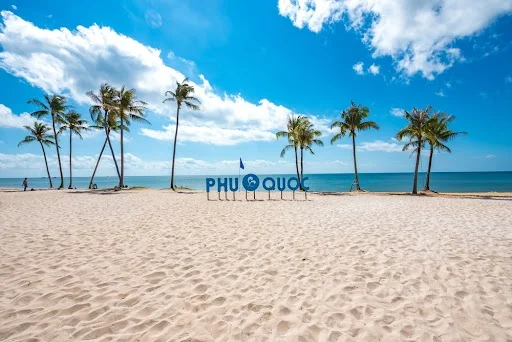
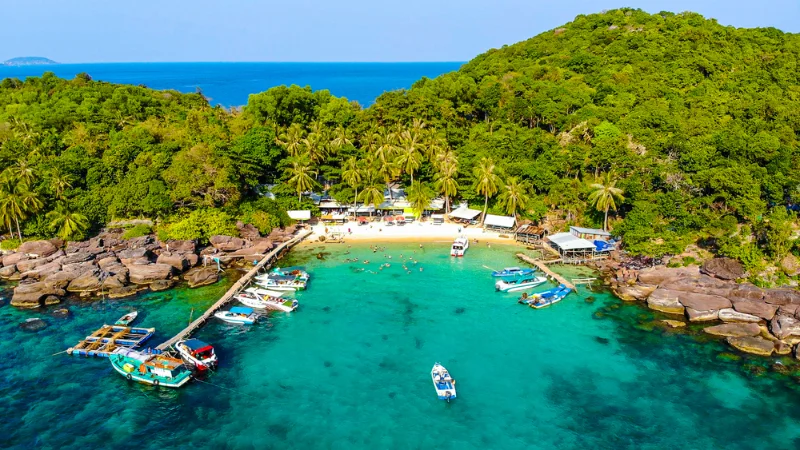
- Sao Beach: Famous for white sand and turquoise water.
- Starfish Beach (Rach Vem): Known for the many red starfish in the shallow water.
- Long Beach: The best spot for sunset views and beach clubs.
- Ong Lang Beach: Perfect for those seeking a quieter, more local vibe.