A visit to

Norway

Holidays

Quick Information

IDEAL DURATION

5 - 7 Days

per person

₹1,09,999
Norway

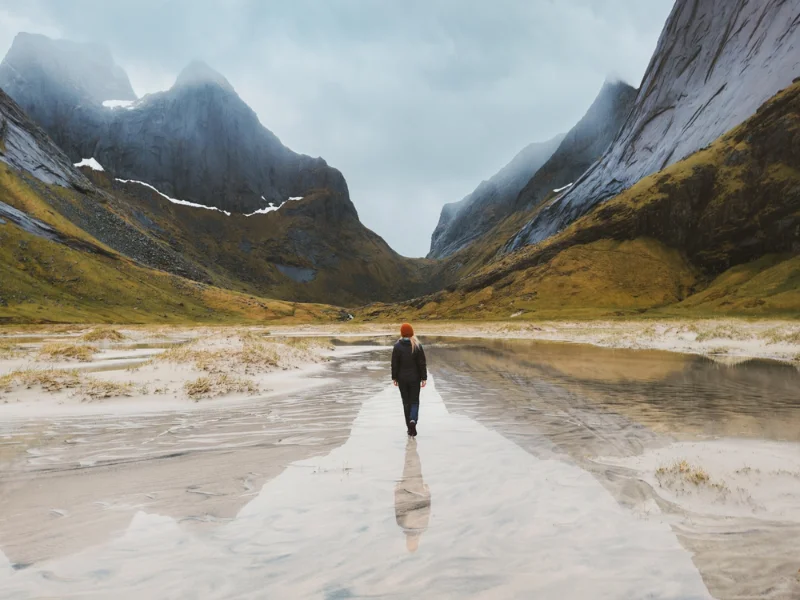
Norway is a realm where nature operates on a grand scale, offering a landscape of dramatic fjords, jagged mountain peaks, and crystalline glaciers. From the vibrant, colourful streets of Bergen to the sophisticated urban pulse of Oslo, the country seamlessly blends modern Scandinavian design with ancient Viking heritage. For those seeking adventure, the deep blue waters of the Geirangerfjord and...

Best time to visit

Determining the best time for your trip often depends on whether you prefer the golden light of the Midnight Sun or the icy glow of the Northern Lights. Generally, the period from June to August is considered the peak season. During these months, the weather is mild, all hiking trails are accessible, and the mountain passes are clear of snow. This is the ideal time for fjord cruises and outdoor festivals. However, if your goal is to witness the Aurora Borealis, the winter months from November to March are superior. While the days are short and the temperatures are freezing, the dark skies provide the perfect canvas for the lights. For travelers looking to avoid crowds while still enjoying manageable weather, the "shoulder seasons" of May and September offer a beautiful balance of blooming flora or vibrant autumn foliage with fewer tourists at major landmarks.

Weather in Norway

img

Jun - Aug

13-22°C

The Land of the Midnight Sun

Summer Season in Norway

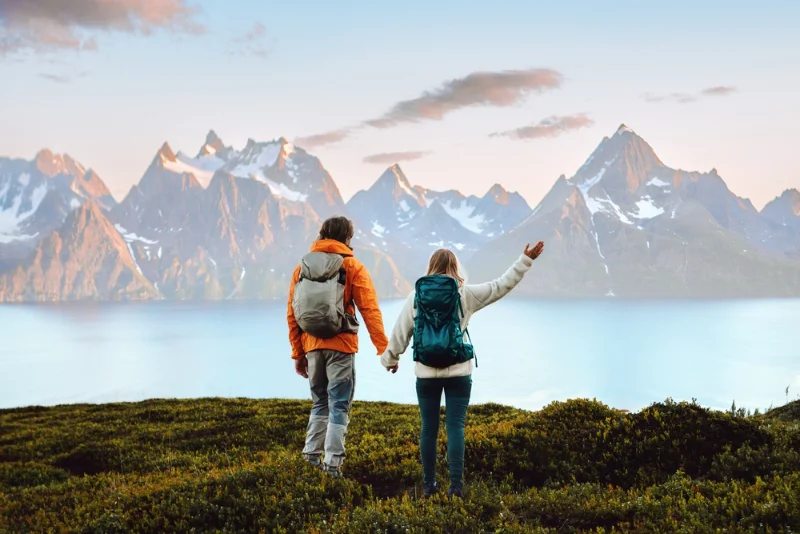
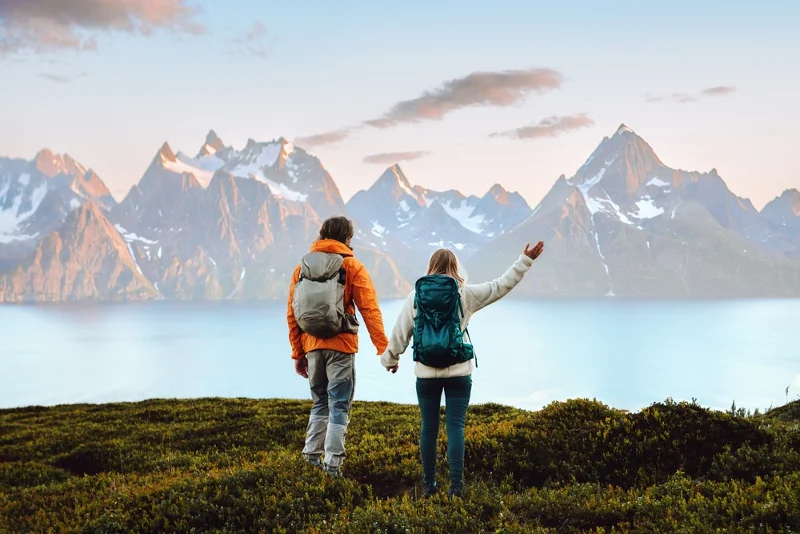
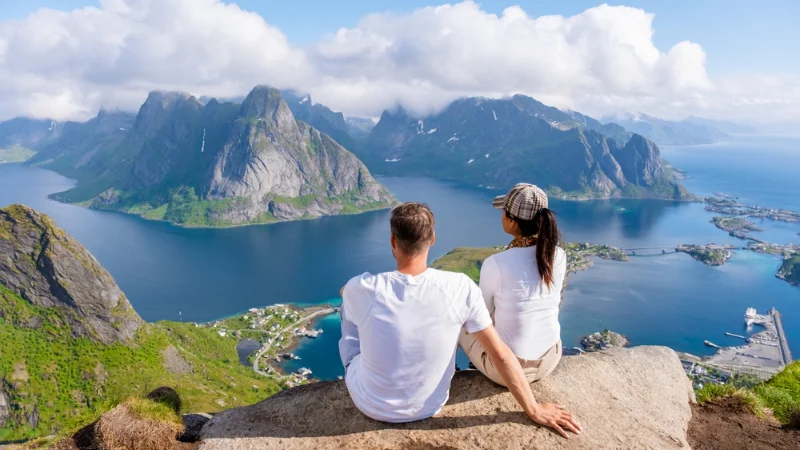
This is the ultimate time for a classic Norwegian road trip. From June to August, the country is literally flooded with light. In the north, the sun never sets, which means you can hike at midnight or grab a coffee at 2 AM in broad daylight! It’s the best time for hitting the iconic hiking trails like Preikestolen or taking a ferry through the deep blue fjords. The weather is pleasant enough for t-shirts during the day, making it perfect for families and outdoor lovers who want to see the attractions in Norway without shivering.

img

Nov - Mar

-7--2°C

The Aurora Adventure

Winter Season in Norway

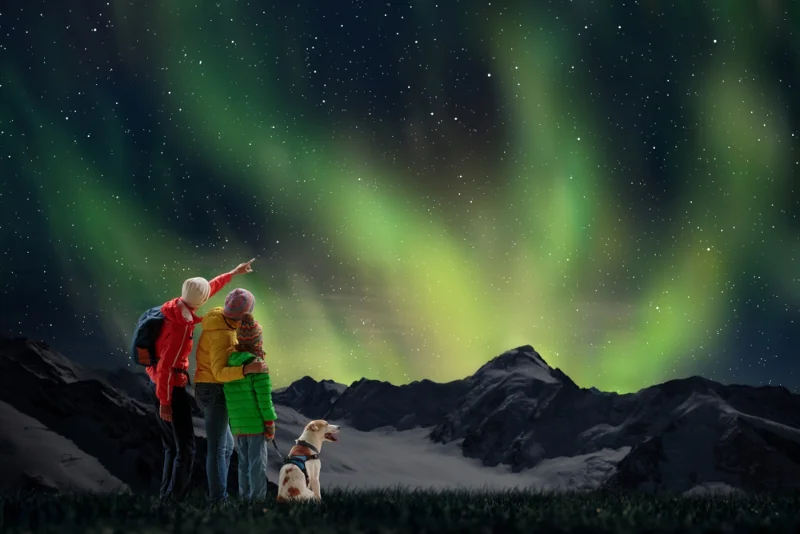
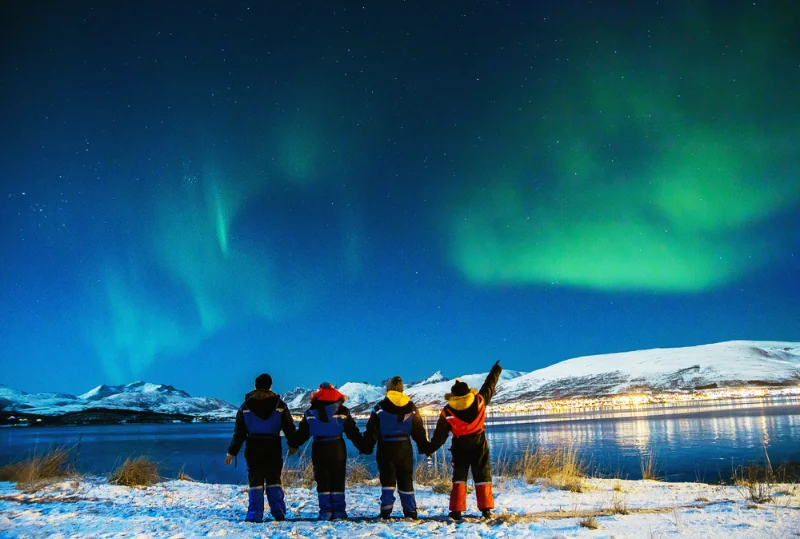
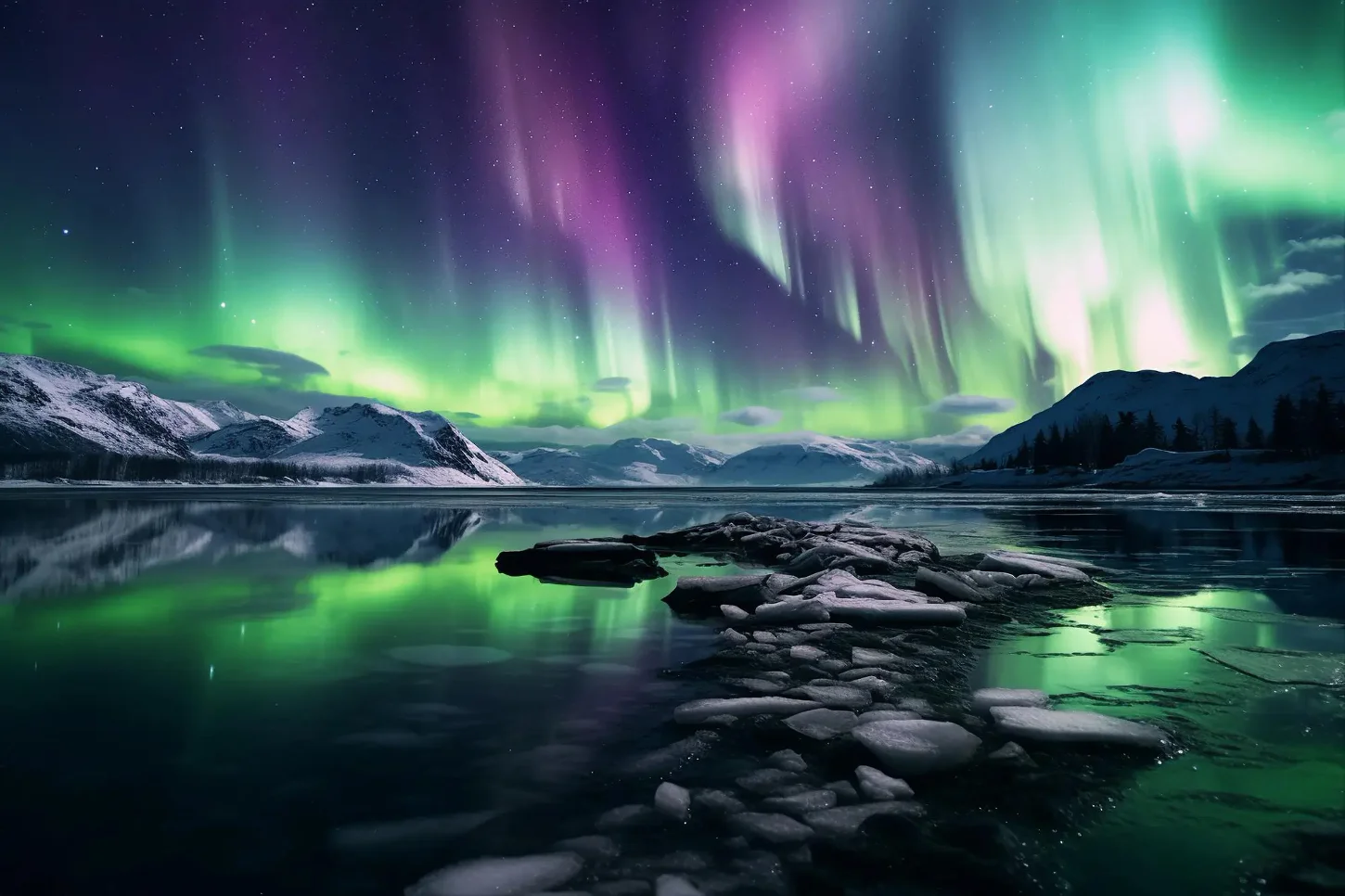
Winter transforms Norway into a real-life Frozen movie. This is the season of "Kos" (the Norwegian version of cosy); think crackling fireplaces, woolly sweaters, and hot cocoa. If you’re heading north to places like Tromsø, the main event is the Northern Lights dancing overhead. You can try dog sledding, stay in an ice hotel, or go skiing. It’s cold, yes, but it’s a magical kind of cold. If you’re looking for a romantic getaway, winter is the prime time to browse Norway for a trip you’ll never forget.

img

Sep - Oct

1-10°C

A Symphony of Colors

Autumn Season in Norway

If you love cosy vibes and photography, autumn is your season. By September, the mountains turn into a sea of flaming oranges, deep reds, and golds. The air gets crisp and fresh, making it the most comfortable time for long walks. It’s also harvest season, so you can try amazing local apples and berries. Since the nights start getting dark again, you might even catch an early glimpse of the Northern Lights if you’re lucky.

img

Apr - May

4-12°C

Rebirth of the Fjords

Spring Season in Norway

Spring in Norway is like watching the world wake up in fast-forward. As the snow melts in May, the waterfalls become massive, thundering down the mountainsides with incredible power. It’s a bit of a "secret" season; you get to see the fruit trees blossoming in the Hardangerfjord while the mountain peaks are still capped with white. It’s much quieter than summer, so you’ll have the viewpoints mostly to yourself. Just pack layers, as you might experience sunshine and a stray snow shower on the same day.

How to reach Norway

By Air

Most international travelers arrive at Oslo Airport (OSL), which serves as the primary hub. Other major airports include Bergen and Stavanger. While there are currently no direct flights from India, major carriers like Qatar Airways, Emirates, and Finnair offer convenient one-stop connections via Doha, Dubai, or Helsinki, making the journey relatively smooth for long-haul travelers.

By Train

Norway is well-connected to its Scandinavian neighbors via rail. High-speed trains run regularly between Stockholm (Sweden) and Oslo, taking approximately five to six hours. There are also connections from Copenhagen via Gothenburg. Traveling by train is a sustainable and scenic way to enter the country, offering glimpses of the lush Scandinavian countryside before arriving in the capital.

By Road

You can enter Norway by road from Sweden, Finland, or Russia. The borders are generally open, and the E6 highway is the main artery connecting Stockholm to Oslo. Driving is a popular option for those on a Nordic road trip; however, be mindful of tolls and the strict winter driving requirements, including mandatory winter tires and mountain pass closures.

By Sea

Arriving by sea offers a grand entry into the Norwegian fjords. Major ferry lines like DFDS and Color Line operate routes from Denmark (Copenhagen or Hirtshals) and Germany (Kiel) to Oslo or Kristiansand. These overnight ferries are essentially mini-cruises, equipped with restaurants and cabins, providing a relaxing start to your journey across the North Sea or Skagerrak.

Top packages for Norway
Want the best Norway package, handpicked just for you?

Share your travel needs and our travel experts will reach out to you.

Frequently Asked Questions for Norway

Yes, Indian passport holders require a Schengen visa to enter Norway. Since Norway is part of the Schengen Area, you must apply at the Royal Norwegian Embassy or through VFS Global. Ensure your passport is valid for six months and you have proof of funds, travel insurance, and a confirmed return flight.

The best time depends on your interests. For hiking and long days, June to August is ideal. For the Northern Lights and winter sports, November to March is best. May and September offer a great balance of fewer crowds and beautiful scenery, known as the 'shoulder season' for travelers.

Absolutely. Norway is a top-tier romantic destination. Couples can enjoy private fjord cruises, stay in boutique "landscape hotels", or watch the Northern Lights from a glass igloo. The combination of secluded nature and cosy "koselig" (cosy) culture makes Norway honeymoon packages a popular choice for those seeking a unique, scenic escape.

Yes, Norway is one of the world’s most expensive countries. For Indian tourists, costs for dining out, alcohol, and local transport can be high compared to Asian destinations. However, you can manage costs by booking in advance, using public transport, and opting for self-catering accommodation or "Allemannsretten" (the right to roam/camp).

Currently, there are no direct flights from cities like Delhi or Mumbai to Oslo. Indian travelers typically fly via major transit hubs such as Dubai (Emirates), Doha (Qatar Airways), or European cities like Frankfurt (Lufthansa) and Helsinki (Finnair). These connecting flights usually have a total travel time of 12 to 15 hours.

A minimum of 7 to 10 days is recommended. This allows you to explore Oslo, take the "Norway in a Nutshell" tour to see the fjords, and spend a few days in Bergen. If you wish to visit the Arctic North for the Northern Lights, a 12-to-14-day itinerary is better.

For a mid-range traveller, a daily budget of approximately ₹12,000 to ₹16,000 (1,500 to 2,000 NOK roughly) is realistic. This covers modest accommodation, meals, and local transport. A 10-day trip can cost between ₹2.5 and ₹3.5 Lakhs per person, including flights and visas, depending on the level of luxury.

Yes, Indian food is readily available in major cities like Oslo, Bergen, and Trondheim. You will find several highly rated Indian restaurants offering traditional curries and tandoori items. However, in remote fjord areas or smaller villages, Indian cuisine is scarce, so carrying some ready-to-eat meals or spices is a good idea.

Norway uses the Norwegian Krone (NOK). It is important to note that Norway is becoming a cashless society. Almost all vendors, from high-end hotels to small hot dog stands and public toilets, accept credit and debit cards. It is often unnecessary to carry large amounts of physical cash during your trip.

The best way to commute is via Norway’s efficient public transport system. Trains, such as the Vy network, connect major cities, while an extensive ferry and bus system serves the fjords. For reaching remote trailheads or exploring the countryside at your own pace, renting a car is highly recommended for maximum flexibility.

Yes, Norway is definitely worth visiting in 2026, especially as sustainable travel becomes more accessible. With the expansion of electric ferries and eco-friendly infrastructure, you can explore the tourist attractions in Norway with a lower carbon footprint. The timeless beauty of the fjords and the Arctic wilderness remains a bucket-list experience for every traveller.

Yes, travel insurance is mandatory for the Schengen visa application. It must cover medical emergencies and repatriation with a minimum coverage of €30,000. Beyond visa requirements, insurance is vital in Norway due to the high cost of healthcare and the adventurous nature of activities like hiking, skiing, and glacier trekking.

Budget travelers can get by on 800–1,000 NOK by camping and cooking. Mid-range travelers should plan for 1,500–2,500 NOK for hotels and restaurant meals. Luxury travelers can easily spend over 4,000 NOK per day including private tours, fine dining, and high-end boutique stays in the fjords or cities.

Yes, English is spoken fluently by the vast majority of Norwegians. It is taught in schools from a young age, so you will have no trouble communicating in hotels or restaurants or while asking for directions. All major tourist signs and public transport announcements are also provided in English for international visitors.

The best months are October, November, February, and March. These months offer the long periods of darkness necessary for viewing but often have better weather conditions than the peak of mid-winter. The period around the autumn and spring equinoxes is frequently cited as having high solar activity, increasing your chances.

While the process is straightforward, the Norwegian embassy is thorough. As long as you provide a clear itinerary, proof of sufficient funds (around 500 NOK per day), and a confirmed return ticket, the visa is generally granted. It is not necessarily "easy", but it is consistent if all documentation is meticulously prepared.

Tromsø is widely considered the "Capital of the Arctic" and the best base for Aurora hunting. Other excellent locations include the Lofoten Islands, Alta (the Town of the Northern Lights), and Kirkenes near the Russian border. These spots sit directly under the Aurora Oval, maximising your visibility of the lights.

A standard guided Northern Lights chase by bus typically costs between 1,200 and 1,800 NOK (approx. ₹9,500 to ₹14,000) per person. More specialised tours, such as those involving photography workshops, reindeer sledding, or private boat cruises, can range from 2,500 to 5,000 NOK depending on the inclusions and duration of the trip.