
A visit to
Japan
Adventure
Quick Information
IDEAL DURATION
6 - 17 Days
per person
₹1,24,399
Japan
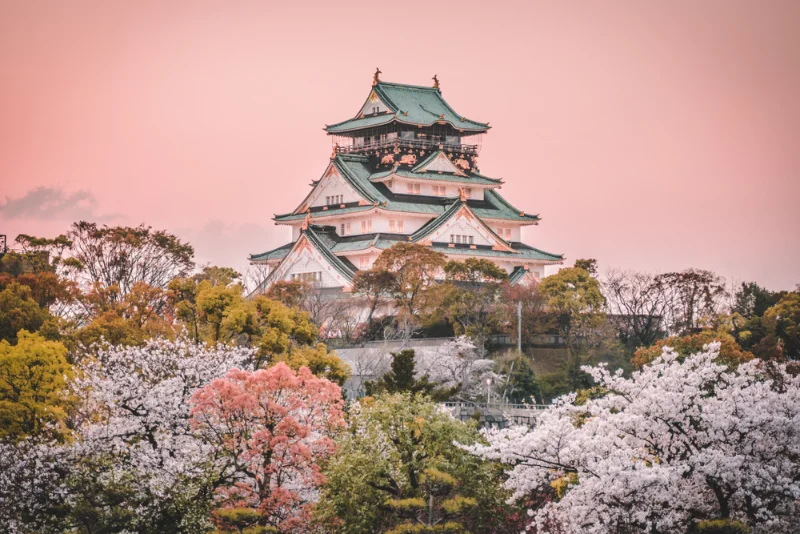
Japan, the “Land of the Rising Sun,” is a country where timeless traditions coexist beautifully with futuristic innovation. Set across several islands in East Asia, Japan offers stunning contrasts, from tranquil temples and ancient castles to neon-lit metropolises and advanced technology hubs. This harmony between past and present defines Japan’s uniqueness, making it one of the world’s most fascinating and...
Best time to visit
Japan can be visited year-round, but the ideal time depends on the experience you seek. The best time to visit Japan is mostly spring (March–May), when the country bursts into life with its iconic cherry blossoms. Streets, parks, and temples turn enchanting shades of pink, forming dreamy backdrops for festivals, picnics, and photography. The moderate temperatures between 10°C and 20°C make outdoor sightseeing comfortable. Travelers can enjoy cultural activities like hanami (flower viewing), temple visits, and local food celebrations, all radiating Japan’s joyful spirit. Spring symbolizes renewal and harmony, creating the perfect mix of natural beauty and cultural immersion. While spring is magical, autumn (September–November) follows closely with its fiery foliage and clear skies ideal for city strolls and countryside escapes. Winter (December–February) charms snow lovers with ski resorts and cozy onsens, while summer (June–August) offers spirited festivals and beach trips. Each season paints Japan differently, ensuring there’s never a wrong time to explore this captivating destination.
Weather in Japan

Jun - Aug
23-35°C
Festivals, Fireworks, and Sunshine
Summer Season in Japan
Summer in Japan radiates energy and excitement with its lively atmosphere. Though hot and humid, it is one of the most festive seasons, rich in traditional events like Obon, Tanabata, and magnificent fireworks displays that light up the night sky. Coastal areas such as Okinawa offer beach escapes, while mountain regions like Nagano and Hokkaido provide cool retreats. June brings the rainy season, turning landscapes lush and green. Travelers can enjoy food stalls, street parades, and vibrant cultural performances. For photography enthusiasts or culture seekers, summer is the perfect blend of rhythm, color, and celebration across Japan’s diverse scenery.

Dec - Feb
0-10°C
A Snowy Wonderland in Japan
Winter Season in Japan
Winter unveils Japan’s captivating contrasts—snow-covered mountains, steaming onsens (hot springs), and illuminated cities. Northern regions like Hokkaido turn into paradise for skiers and snowboarders, hosting world-famous snow festivals like Sapporo Snow Festival. Meanwhile, traditional towns such as Shirakawa-go glow with fairy-tale charm under layers of white snow. The crisp air encourages cozy getaways and rejuvenating hot spring baths. Cities sparkle with festive lights, making December delightful for holiday travelers. Culinary delights like ramen, sukiyaki, and hot sake enrich the experience. Winter’s tranquil beauty, paired with cultural warmth, ensures an unforgettable journey through Japan’s serene, snowy heart.

-
Rainy Season in Japan
Winter unveils Japan’s captivating contrasts—snow-covered mountains, steaming onsens (hot springs), and illuminated cities. Northern regions like Hokkaido turn into paradise for skiers and snowboarders, hosting world-famous snow festivals like Sapporo Snow Festival. Meanwhile, traditional towns such as Shirakawa-go glow with fairy-tale charm under layers of white snow. The crisp air encourages cozy getaways and rejuvenating hot spring baths. Cities sparkle with festive lights, making December delightful for holiday travelers. Culinary delights like ramen, sukiyaki, and hot sake enrich the experience. Winter’s tranquil beauty, paired with cultural warmth, ensures an unforgettable journey through Japan’s serene, snowy heart.

Sep - Nov
12-25°C
Colors of Calm and Culture
Autumn Season in Japan
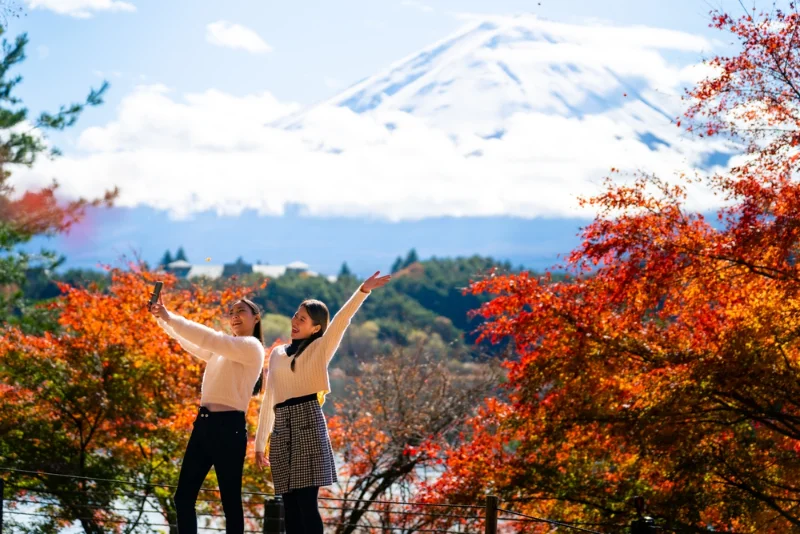
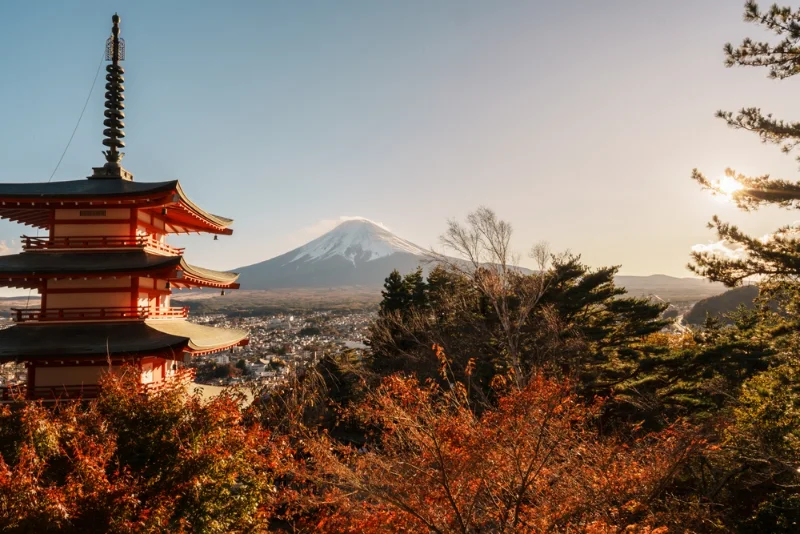
Autumn transforms Japan into a breathtaking tapestry of reds, oranges, and yellows. The season’s mild weather is perfect for temple walks, scenic hikes, and countryside escapes. The spectacular “koyo” (autumn foliage) phenomenon draws visitors to Kyoto, Nikko, and Fuji Five Lakes, where maple leaves create mesmerizing reflections over calm waters. Cultural festivals celebrating harvest time and local traditions take place throughout the country, adding warmth to the season’s serenity. Savoring chestnut sweets, warm tea, and comforting soups is a highlight for food lovers. Autumn in Japan embodies balance, a peaceful yet lively invitation to slow down and connect with nature.

Mar - May
10-20°C
Sakura Serenity Across Japan
Spring Season in Japan
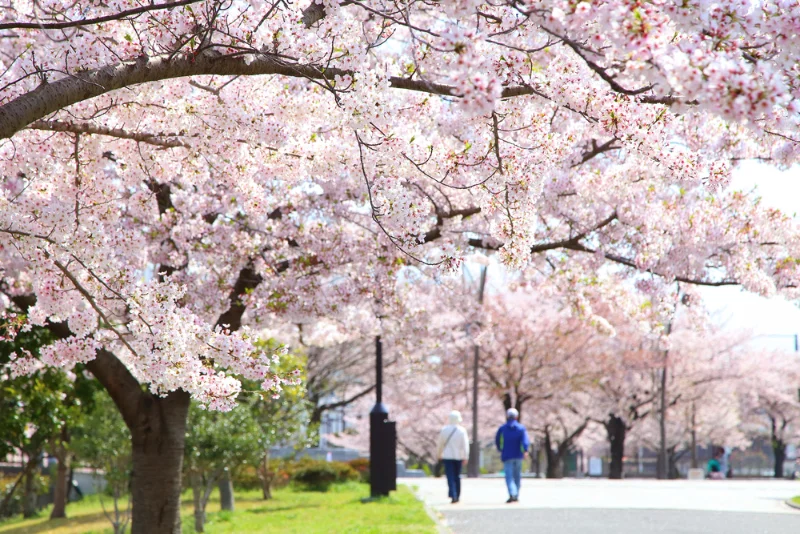
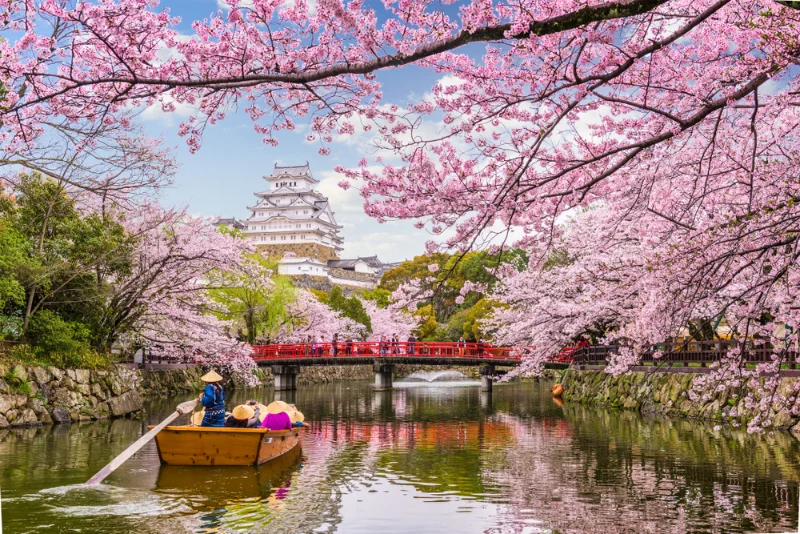
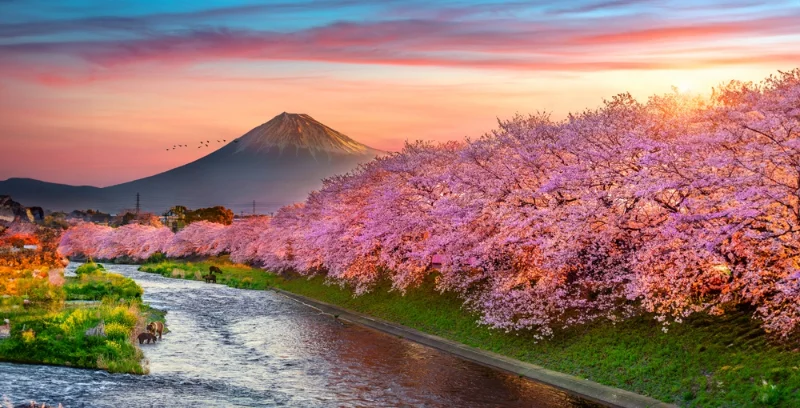
Spring is Japan’s most enchanting season, celebrated for its exquisite cherry blossoms that blanket parks, temples, and streets in shades of pink. The famous hanami (flower-viewing) festivals invite locals and visitors to picnic beneath blooming sakura trees, symbolizing renewal and beauty. Pleasant temperatures and clear skies make it ideal for exploring gardens, shrines, and historical towns. Iconic spots like Kyoto, Nara, and Tokyo become vibrant and photogenic. Beyond flowers, spring also marks cultural festivals, seasonal cuisine like sakura mochi, and the start of outdoor adventures. It’s a magical time to see Japan at its most graceful and colorful.
How to reach Japan
By Air
By Air: Japan is easily accessible from India via major international flights. Direct connections are available from Delhi, Mumbai, and Bengaluru to Tokyo and Osaka. Airlines like Air India, Japan Airlines, and ANA provide comfortable options, with average flight duration around 7 hours. Most travelers arrive at Tokyo’s Narita or Haneda Airport, both well-connected to the city and other regional destinations across Japan.
Top packages for Japan
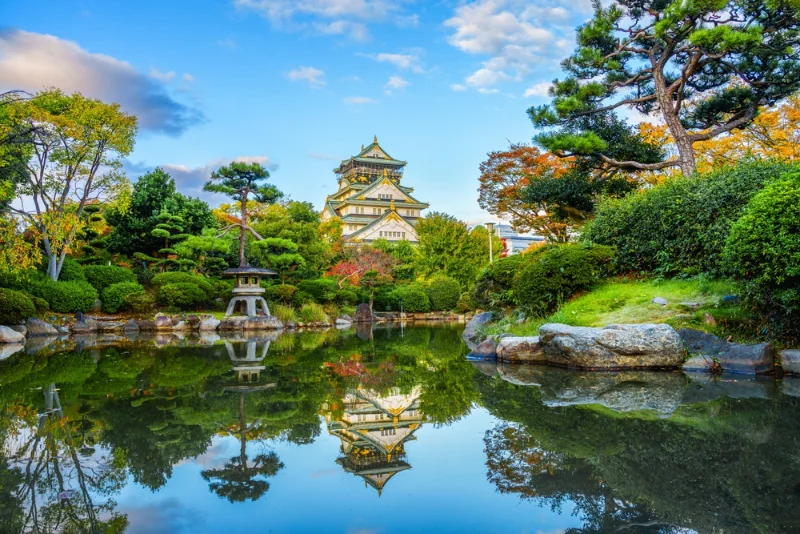
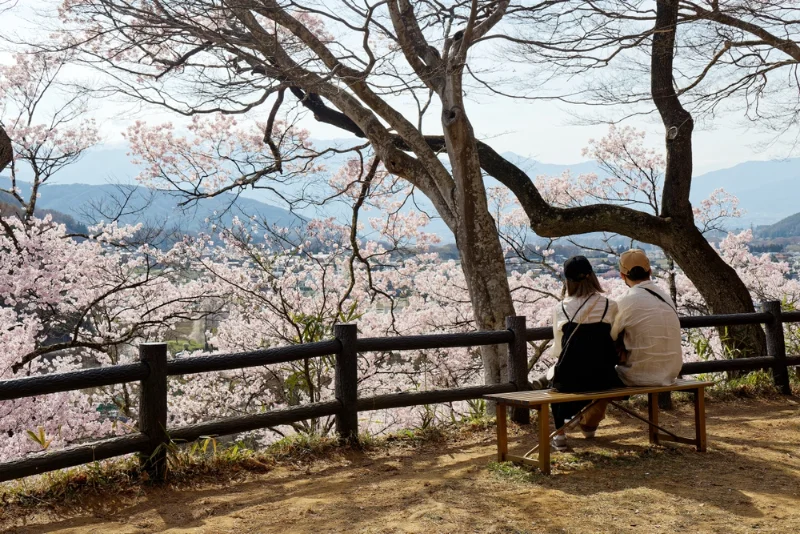
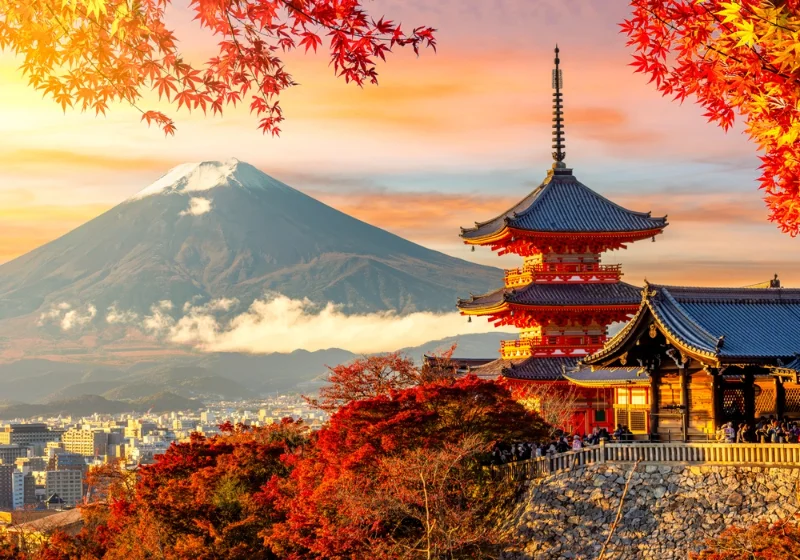
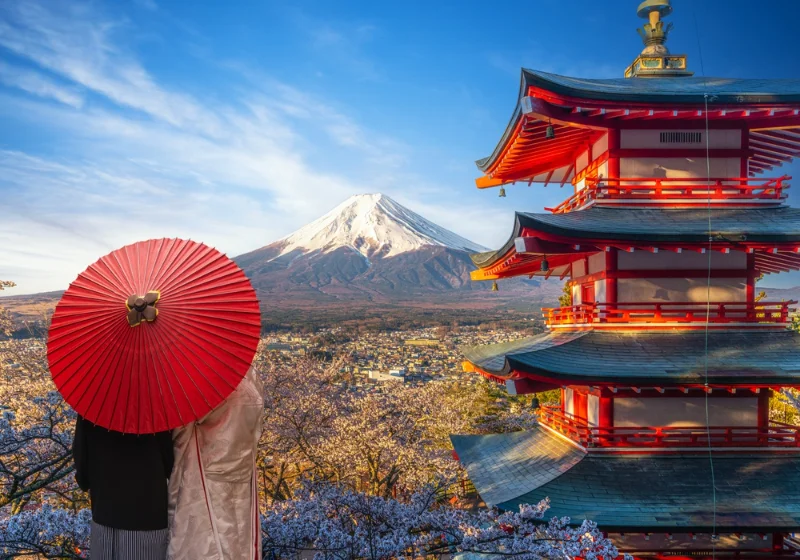
Want the best Japan package, handpicked just for you?
Share your travel needs and our travel experts will reach out to you.
Frequently Asked Questions for Japan
- Learn a few basic Japanese phrases for convenience.
- Buy a Japan Rail Pass for intercity travel savings.
- Carry cash; not all places accept cards.
- Always respect local traditions, especially in temples.
- Follow recycling and cleanliness norms strictly.
- Use Google Maps for seamless navigation.
- Avoid public phone usage in trains; silence is appreciated.
- Japanese tea and tea sets
- Traditional kimonos and yukatas
- Origami art and handmade crafts
- Japanese snacks and candies
- Regional ceramics and chopsticks
- Anime merchandise and collectibles