
A visit to
Denmark
Adventure
Quick Information
IDEAL DURATION
4 - 8 Days
per person
₹86,899
Denmark
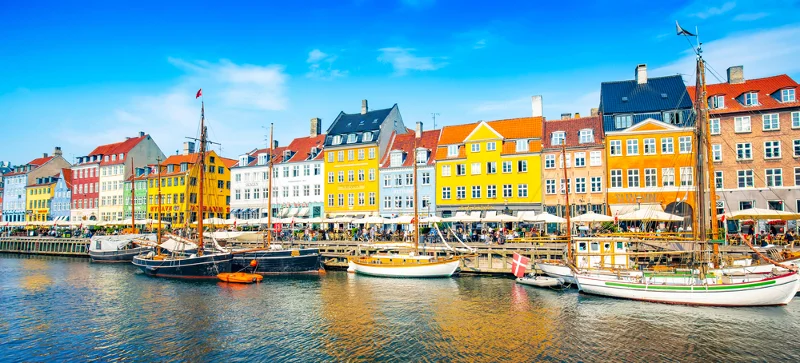
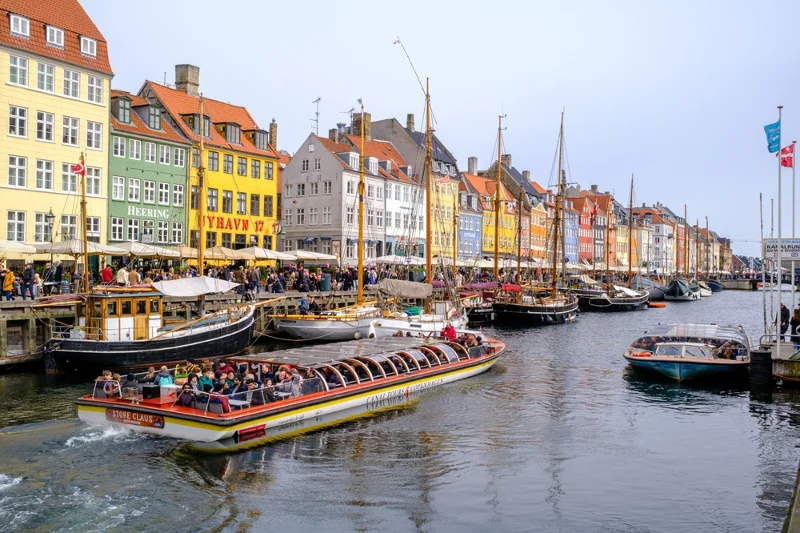
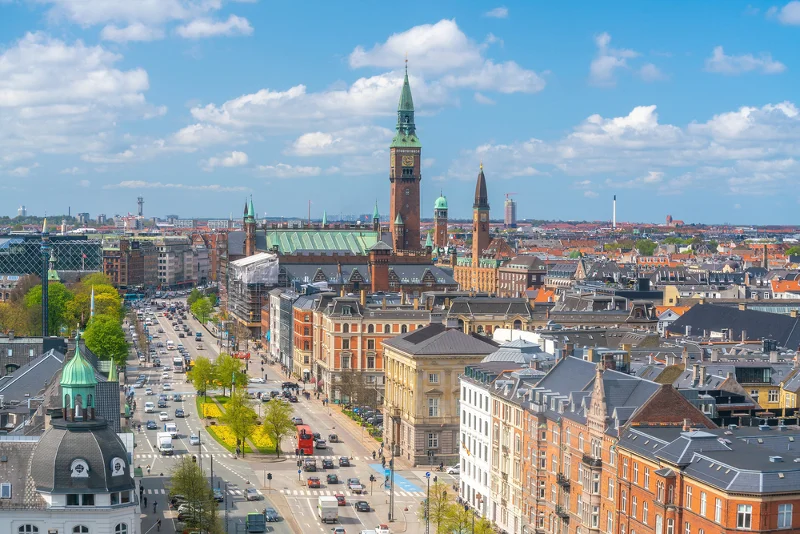
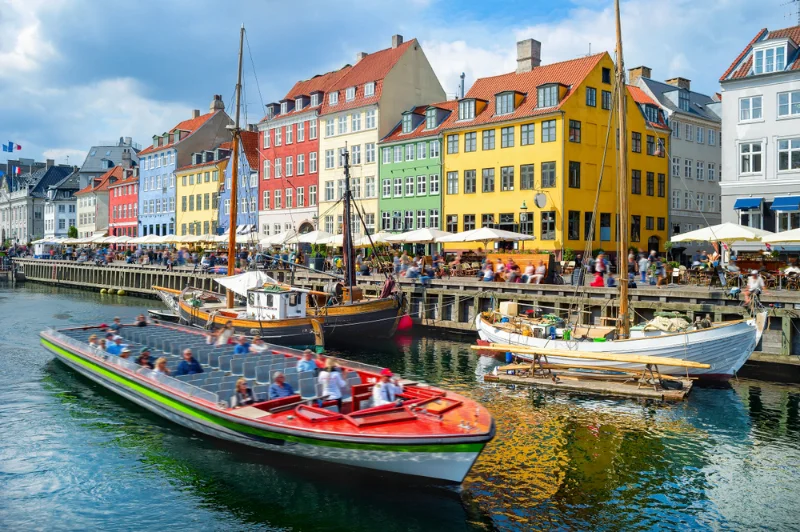
Denmark, a captivating Scandinavian gem, enchants visitors with its fairy-tale castles, pristine coastal landscapes, and vibrant cities that seamlessly blend rich history with cutting-edge modern design. From the iconic colorful Nyhavn harbor in Copenhagen to the windswept dunes of Jutland’s rugged coastline, Denmark offers an idyllic mix of urban sophistication, serene countryside escapes, and innovative sustainability practices. Renowned for its...
Best time to visit
The best time to visit Denmark is from May to September when the weather is mild, pleasant, and ideal for sightseeing. Summer months, especially June to August, offer long daylight hours, outdoor festivals, and vibrant city life. Spring and early autumn are also great for fewer crowds and scenic beauty. Winters can be cold and dark but are perfect for experiencing cozy Danish culture and festive Christmas markets.
Weather in Denmark
Jun - Aug
15-25°C
Long sunny days and lively experiences
Summer Season in Denmark
Summer in Denmark is the most vibrant and lively season, bringing long daylight hours and a cheerful atmosphere across the country. Cities like Copenhagen come alive with festivals, open-air concerts, and bustling waterfronts, while beaches and countryside areas attract nature lovers. It is the best time for cycling, sightseeing, and enjoying outdoor cafes. The extended daylight, often up to 17 hours, allows travelers to explore more in a single day. Summer is also ideal for island hopping and experiencing Denmark’s relaxed coastal lifestyle.

Dec - Feb
-1-5°C
Festive charm and cozy escapes
Winter Season in Denmark
Winter in Denmark is cold, dark, and magical, especially during the festive season. Cities are beautifully decorated with lights, and Christmas markets create a warm and cheerful ambiance despite the chilly weather. Snowfall, though moderate, adds charm to the surroundings. This season is ideal for experiencing Danish traditions, cozy cafes, and indoor attractions like museums and galleries. Short daylight hours create a unique atmosphere, perfect for those who enjoy winter travel and festive celebrations.

Sep - Nov
8-17°C
Golden landscapes and cozy vibes
Autumn Season in Denmark
Autumn in Denmark is known for its scenic beauty, as landscapes transform into shades of orange, red, and gold. The weather becomes cooler, and the crowds start to thin out, making it ideal for peaceful exploration. This season is perfect for museum visits, cultural experiences, and enjoying Denmark’s cozy “hygge” lifestyle. Cafes and streets offer a warm, inviting atmosphere, while parks and forests provide stunning backdrops. It is a great time for travelers who enjoy calm surroundings and picturesque views.

Mar - May
5-15°C
Blooming beauty and fresh beginnings
Spring Season in Denmark
Spring in Denmark marks the transition from cold winters to pleasant weather, with blooming flowers and greener landscapes. Parks, gardens, and countryside areas become colorful and refreshing, making it a perfect time for nature walks and photography. Tourist crowds are still moderate, allowing for a more relaxed experience at major attractions. The weather can be slightly unpredictable, but overall it offers a fresh and rejuvenating travel atmosphere. Spring is also great for exploring cities without the peak season rush.
How to reach Denmark
By Air
Denmark is well connected internationally via Copenhagen Airport, the main gateway. Though there are no frequent direct flights from India, travelers can easily reach Denmark through one-stop flights via cities like Doha, Dubai, or Frankfurt.
By Train
Denmark has excellent rail connectivity with neighboring European countries like Germany and Sweden. High-speed and regional trains make it convenient for travelers already exploring Europe to enter Denmark seamlessly.
By Road
Driving into Denmark from nearby countries like Germany or Sweden is a popular option. Well-maintained highways and iconic routes like the Øresund Bridge make road travel scenic and comfortable.
By Sea
Denmark has an extensive ferry network connecting it to Norway, Sweden, Germany, and other Baltic countries. Ferries are a scenic and relaxed way to arrive, especially if traveling with vehicles.
Top packages for Denmark
Want the best Denmark package, handpicked just for you?
Share your travel needs and our travel experts will reach out to you.