A visit to

Pinnawala

About the place

Pinnawala is a small, verdant village nestled in the Sabaragamuwa Province of Sri Lanka, situated approximately 90 kilometres northeast of Colombo and 40 kilometres west of Kandy, making it a natural midway stop between the capital and the hill country. The town sits along the banks of the scenic Maha Oya River, surrounded by lush coconut plantations, paddy fields, and...

How to reach Pinnawala

By Air

Pinnawala has no airport. The nearest international gateway is Bandaranaike International Airport (CMB) in Katunayake, Colombo, approximately 105 kilometres away. From the airport, travellers can reach Pinnawala by private taxi or hired car in approximately 2.5 to 3 hours via the A1 Colombo–Kandy highway. Most international visitors combine their airport arrival with a same-day or next-morning visit to Pinnawala on the way toward Kandy, making it a convenient first cultural stop after landing in Sri Lanka.

By Train

The closest railway station to Pinnawala is Rambukkana Station, located approximately 5 kilometres away on the Colombo–Kandy Main Line. Trains run frequently from Colombo Fort Railway Station to Rambukkana, with the journey taking around 2 to 2.5 hours. This is the same highland rail line that continues onward through Kandy, Peradeniya, Nanu Oya (for Nuwara Eliya), and all the way to Badulla via Ella, making Pinnawala an easy stop for travellers heading up into the hill country. From Rambukkana Station, travellers can hire a tuk-tuk or taxi to reach Pinnawala village and the elephant orphanage in about 10 to 15 minutes.

By Road

Pinnawala is most commonly visited by road via the A1 Colombo–Kandy highway, which passes through Kegalle before a turn onto the B199 road leads into Pinnawala village. From Colombo, the drive takes approximately 2.5 to 3 hours (90 km), while from Kandy, it is just 1.5 hours (40 km). Private taxis, hired cars, and organised day-tour buses from both Colombo and Kandy serve Pinnawala regularly. Tuk-tuks are available within the village for short distances. Intercity buses from Colombo to Kegalle also run frequently, from where a local bus or tuk-tuk can take you to Pinnawala.

Want the best Pinnawala package, handpicked just for you?

Share your travel needs and our travel experts will reach out to you.
Frequently Asked Questions for Pinnawala

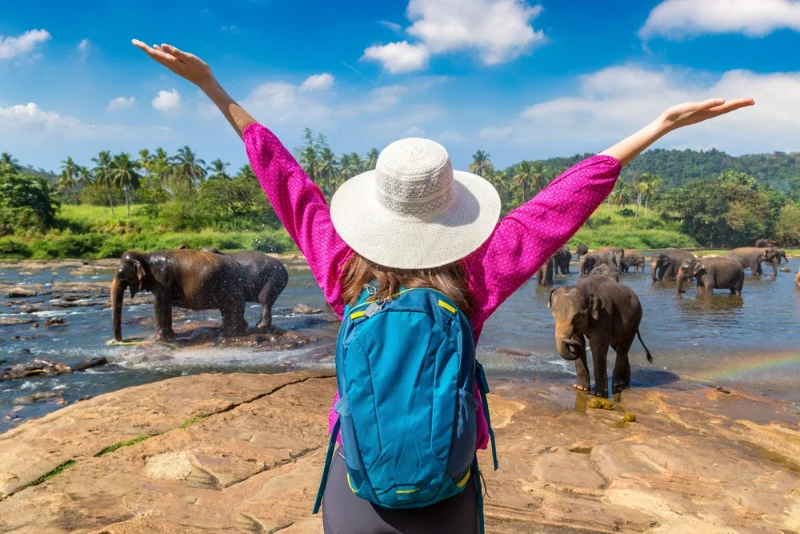
Pinnawala is world-famous for the Pinnawala Elephant Orphanage, home to one of the largest captive herds of Asian elephants anywhere on the planet, currently numbering close to 100 elephants across three generations. The sight of the entire herd being led to the Maha Oya River for their daily bath is one of Sri Lanka's most iconic and photographed spectacles. Beyond the orphanage, Pinnawala is known for its unspoiled rural Sri Lankan countryside, coconut plantations, and the gentle pace of village life along the riverbank.

Yes, for most travellers, especially families, wildlife enthusiasts, and first-time visitors to Sri Lanka, Pinnawala is a genuinely memorable experience. Watching a herd of nearly 100 elephants of all ages wade and splash in a river while mahouts stand watch is a sight unlike anything else in South Asia. However, it is worth noting that the orphanage is a highly commercialised attraction, entry fees for foreign visitors are significantly higher than local rates, and some conservation organisations have raised questions about its long-term welfare standards. Travellers should visit with this context in mind and opt for respectful, non-contact interactions.

The Pinnawala Elephant Orphanage (PEO) is an orphanage, nursery, and captive breeding ground for wild Asian elephants, located on a 25-acre coconut plantation adjoining the Maha Oya River. It was founded in 1975 by the Sri Lanka Department of Wildlife Conservation to rescue, nurse, and care for orphaned and injured baby elephants found wandering the forests of Sri Lanka. What began with just five baby elephants has grown into a programme caring for nearly 100 elephants. A captive breeding programme launched in 1982 has resulted in over 70 elephants being born at the facility. The orphanage was later taken over by the National Zoological Gardens and continues to operate as both a conservation facility and a major tourist attraction.

A visit of 3 to 4 hours is sufficient to see Pinnawala's highlights comfortably. This allows enough time to watch the morning bottle feeding of baby elephants (9:15 AM), observe the herd's river bathing session (10:00 AM to 12:00 noon), and explore the orphanage grounds at a relaxed pace. Travellers who wish to simply catch the river bath and then continue to Kandy can manage the visit in as little as 2 hours, making it a natural and efficient en-route stop.


Pinnawala can be visited year-round, as the orphanage is open daily from 8:30 AM to 5:30 PM regardless of the season. The most pleasant weather is between January and March during the dry season, when the conditions are cooler and ideal for spending extended time outdoors. The best time of day to visit is in the morning, arriving by 9:00 AM allows you to catch the 9:15 AM bottle feeding of calves followed by the 10:00 AM river bathing, which is the undisputed highlight of any visit.

Yes, Pinnawala is a very manageable day trip from Colombo. The drive from Colombo to Pinnawala takes approximately 2.5 to 3 hours (90 km) via the A1 highway. For the best experience, depart from Colombo by 6:30 AM to arrive by 9:00–9:15 AM in time for the morning feeding and 10:00 AM river bathing. After the visit, many travellers continue onward to Kandy for an afternoon tour and return to Colombo by evening, combining both destinations in a single full-day excursion.

Absolutely, Pinnawala is even more convenient as a day trip from Kandy, given the shorter distance of just 40 kilometres. The drive takes approximately 1.5 hours by car or taxi. Most Kandy-based hotels and guesthouses can arrange a half-day Pinnawala excursion, and many visitors combine it with the drive from Colombo to Kandy, stopping at Pinnawala along the way. It is one of the most popular excursions taken by visitors staying in Kandy.

The elephants are led from the orphanage to the Maha Oya River for bathing twice daily, from 10:00 AM to 12:00 noon and again from 2:00 PM to 4:00 PM. The morning bathing session is generally considered the better of the two, as the light is excellent for photography and the elephants tend to be more active and playful. Feeding sessions take place at 9:15 AM, 1:15 PM, and 5:00 PM, with the baby elephant bottle feeding at 9:15 AM being especially popular with visitors.

  • Watch the daily river bathing of the full herd, the most iconic activity at Pinnawala
  • Observe the bottle feeding of baby elephants at 9:15 AM and 1:15 PM
  • Feed elephants bananas under the guidance of a mahout
  • Walk through the orphanage grounds to observe elephants of all ages going about their daily routines
  • Watch the interaction between calves and adult elephants in the open grazing areas
  • Photograph from the riverside viewing area and the bridge overlooking the bathing spot
  • Explore the small craft and souvenir market in Pinnawala village near the orphanage entrance.

Yes, Pinnawala combines seamlessly with both Kandy and Nuwara Eliya in a single hill country itinerary. The classic approach is to travel from Colombo → Pinnawala (morning stop) → Kandy (afternoon and overnight), covering two of Sri Lanka's most visited destinations in a single day. From Kandy, the scenic highland train continues onward to Nanu Oya for Nuwara Eliya, and then further to Ella, making a Pinnawala → Kandy → Nuwara Eliya → Ella circuit one of the most popular and rewarding routes across the island.