A visit to

Nuwara Eliya

About the place

Nuwara Eliya is Sri Lanka's highest city, situated at approximately 1,868 metres above sea level in the heart of the island's central highlands. Often called "Little England", this charming colonial hill station was developed by British planters in the 19th century as a cool retreat from the tropical lowlands, and much of its colonial character, Tudor-style bungalows, manicured hedgerows, a...

How to reach Nuwara Eliya

By Air

Nuwara Eliya has no airport. The nearest international gateway is Bandaranaike International Airport (CMB) in Colombo, approximately 180 kilometres away. From the airport, travellers can reach Nuwara Eliya by private taxi or hired car in around 4 to 5 hours via the A1 and A5 highways. Flying into Colombo and then combining the journey with a train from Kandy to Nanu Oya is the most popular and scenic approach for international visitors.

By Train

The closest railway station to Nuwara Eliya is Nanu Oya, located approximately 8 kilometres from the town centre. Nanu Oya sits on the legendary Colombo–Kandy–Ella highland rail line, one of Asia's most scenic train journeys. Direct trains run from Colombo Fort through Kandy to Nanu Oya, with the full journey from Colombo taking approximately 5 to 6 hours and the leg from Kandy taking around 2.5 to 3 hours. From Nanu Oya station, travellers can hire a tuk-tuk or taxi into Nuwara Eliya town in about 20 to 30 minutes. Continuing onward, the same rail line connects to Haputale, Bandarawela, and Ella, making the train the most scenic and practical way to travel across the hill country.

By Road

Nuwara Eliya is well connected by road from Colombo (approximately 4.5 hours), Kandy (approximately 2.5 hours), Ella (approximately 2 hours), and Galle (approximately 4 hours). Regular intercity buses and private coaches operate from Colombo's Central Bus Stand and from Kandy's Goods Shed Bus Stand. The winding highland roads through Ramboda Pass and Hakgala are particularly scenic but can add travel time. Private cars and taxis offer the most flexibility, allowing stops at roadside tea stalls, waterfalls, and viewpoints along the way.

Want the best Nuwara Eliya package, handpicked just for you?

Share your travel needs and our travel experts will reach out to you.

Related itineraries
Frequently Asked Questions for Nuwara Eliya

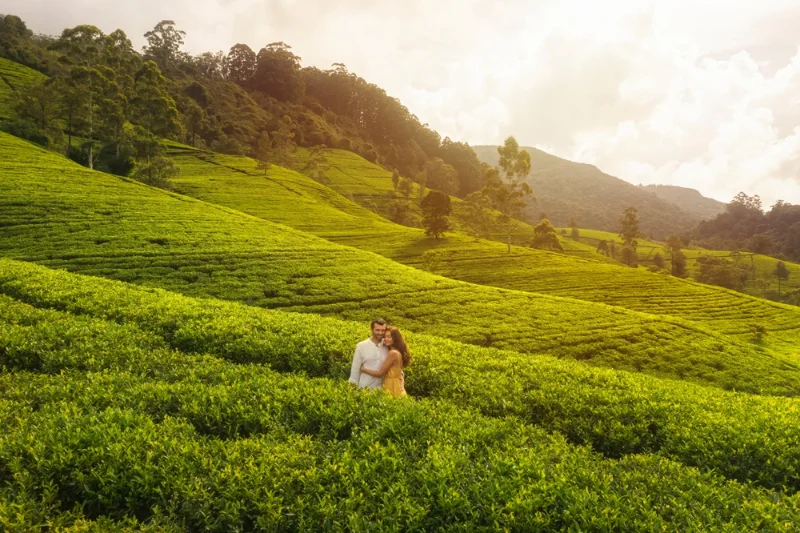
Nuwara Eliya is most famous for being the home of Ceylon Tea, the world-renowned single-origin tea grown on the mist-covered highland estates that surround the city. It is equally celebrated for its colonial British architecture, cool climate, the stunning Gregory Lake, the Hakgala Botanical Gardens, Victoria Park, and its charming racecourse. The city hosts the famous Nuwara Eliya Season in April during the Sinhala and Tamil New Year, when horse racing, flower shows, and social events draw visitors from across the island and abroad.

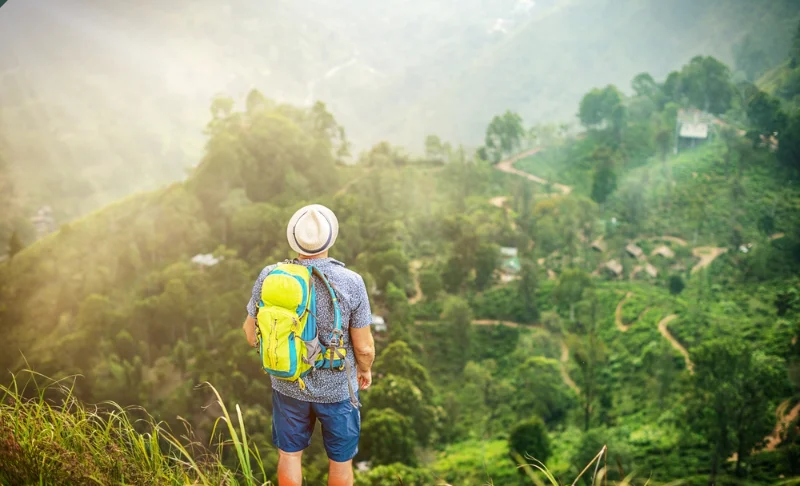
Absolutely, Nuwara Eliya is one of Sri Lanka's most distinctive destinations and unlike anywhere else on the island. Its unique fusion of British colonial charm, highland tea culture, cool refreshing air, and natural beauty makes it a compelling stop for nature lovers, history enthusiasts, and anyone seeking a refreshing contrast from the coastal heat. Walking through its tea-carpeted hillsides or savouring a freshly brewed cup of estate tea with views across misty valleys is an experience that stays with travellers long after they leave.

The best time to visit Nuwara Eliya is between January and April, when the weather is drier, clearer, and most pleasant for sightseeing and outdoor activities, with temperatures averaging 15°C to 22°C. April is particularly festive due to the Nuwara Eliya Season. The city receives heavy rainfall from the southwest monsoon between May and August, though the scenery is lushly green and dramatically misty during this period. Nights can turn very cold year-round, dropping to as low as 8°C, so packing warm layers is essential regardless of when you visit.

2 days are generally sufficient to cover Nuwara Eliya's main highlights comfortably. Day one works well for a morning visit to a tea estate and factory tour, followed by an afternoon around Gregory Lake and Victoria Park. Day two is ideal for a visit to Hakgala Botanical Gardens, the Seetha Amman Temple, and a leisurely walk through the colonial town centre. Travellers who wish to include Horton Plains National Park, a highly recommended half-day excursion, should plan for a third day or an early morning departure from Nuwara Eliya.

Yes, Indian citizens require a visa to enter Sri Lanka, including Nuwara Eliya. Indian passport holders can apply for an Electronic Travel Authorisation (ETA) online through the official Sri Lanka ETA portal before departure. The standard ETA is a 30-day single-entry tourist visa. Apply at least 3 to 5 days before travel, carry a printed copy of the approval, and ensure you have a confirmed return ticket and hotel bookings for a smooth immigration process.

  • Gregory Lake: A scenic reservoir at the heart of town, perfect for boating, cycling, and evening strolls
  • Hakgala Botanical Gardens: Sri Lanka's second-largest botanical garden, home to rare orchids, tree ferns, and exotic flora
  • Victoria Park: A beautifully maintained colonial park ideal for birdwatching and picnics
  • Seetha Amman Temple: A significant Hindu temple associated with the Ramayana legend of Sita's captivity
  • Horton Plains National Park: A UNESCO World Heritage Site and dramatic plateau famous for the World's End cliff drop
  • Moon Plains: A lesser-known highland plateau offering sweeping views of Adam's Peak and the surrounding mountains
  • Nuwara Eliya Racecourse: A colonial-era track hosting the famous April Season races

Nuwara Eliya earned the nickname "Little England" during the British colonial era when 19th-century planters and administrators transformed the highland town into a cool refuge resembling an English countryside village. The British built Tudor and Victorian-style bungalows, a half-timbered post office, a golf course, a fox-hunting track, a racecourse, rose gardens, and hedgerow-lined lanes, all elements of quintessential English life transplanted to the tropics.

  • Pedro Tea Estate: One of the most accessible and popular estates near town, offering guided factory tours and fresh tea tasting
  • Lover's Leap Tea Factory: Set amidst dramatic waterfall scenery and offering an immersive production tour
  • Bluefield Tea Gardens: Known for its beautiful estate surroundings and comprehensive visitor experience
  • Mackwoods Labookellie Tea Centre: A beloved roadside estate on the Kandy–Nuwara Eliya highway, popular for complimentary tea tastings with panoramic highland views.

Yes, the train journey from Kandy to Nanu Oya (the station for Nuwara Eliya) is an absolutely unmissable experience and one of the finest rail journeys in all of Asia. Over approximately 2.5 to 3 hours, the train climbs steadily through terraced tea gardens, cloud forests, mist-filled valleys, and past cascading waterfalls. The scenery grows more dramatic the higher the train climbs, offering views that no road journey can fully replicate. First-class observation car seats with open windows are the ideal way to experience the journey, book them well in advance as they are in extremely high demand among both international and local travellers.

Yes, Nuwara Eliya sits perfectly between Kandy and Ella on the highland rail line, making a three-city hill country itinerary both logical and highly rewarding. The classic route runs Colombo → Kandy (2 nights) → Nuwara Eliya (2 nights) → Ella (2 nights), all connected by the iconic highland train. This 7 to 8 day circuit covers the finest of Sri Lanka's interior, royal temples, tea estates, highland waterfalls, and the legendary Nine Arch Bridge, before heading south to the coastal towns of Galle and Bentota. It is one of the most celebrated travel itineraries in all of South Asia.