
A visit to
Bali
Adventure
Honeymoon
Scuba diving
Nature
Water Activities
Quick Information
IDEAL DURATION
4 - 15 Days
per person
₹39,500
Bali
Bali stands as a shimmering jewel in the Indonesian archipelago, representing a rare harmony between ancient spiritual traditions and modern tropical luxury. Known globally as the "Island of the Gods", it is a destination that transcends the typical beach holiday, offering a profound sense of peace through its glorious temples, flower-scented air, and the gentle hospitality of the Balinese people....
Best time to visit
The best time to visit Bali is during the dry season, which spans from April to October. During these months, the island experiences plenty of sunshine, low humidity, and pleasant breezes, making it ideal for outdoor activities like hiking, surfing, and sightseeing. July and August are the peak tourist months, coinciding with European and Australian summer holidays, so expect larger crowds and higher prices. If you prefer a quieter experience with manageable weather, the "shoulder months" of May, June, and September are excellent choices. You will enjoy the best of Bali’s weather without the intense mid-summer rush. While Bali is a year-round destination, the wet season (November to March) brings heavy tropical rainfall and high humidity, which can sometimes disrupt travel plans or boat transfers to neighbouring islands like the Gilis. However, this period turns the island into a lush, green paradise, perfect for those who don't mind the occasional downpour.
Weather in Bali

Apr - Oct
27-32°C
Sun, Surf & Endless Blue Skies
Summer Season in Bali
Bali's dry season is the island at its best. April transitions from lush monsoon greenery into clear sunny skies. May, June and September hit the sweet spot — perfect weather, fewer crowds and great prices. July and August bring peak energy with packed beach clubs and flawless surf. October offers sunny days with a quieter, more relaxed island vibe.

Nov - Mar
26-31°C
Lush, Wild & Beautifully Alive
Rainy Season in Bali
Bali's wet season transforms the island into a lush, emerald paradise. November eases in with warm days and occasional showers. December through February brings the heaviest rains, but tropical downpours are short, fierce and done within hours. March sees the clouds begin to clear. Waterfalls roar, rice paddies glow green and prices drop dramatically across the island.
How to reach Bali
By Air
The primary gateway is Ngurah Rai International Airport (DPS) in Denpasar. It is well-connected to major global hubs. Most travelers from India take connecting flights via Singapore, Kuala Lumpur, or Bangkok. Airlines like IndiGo, Air India, and Vistara offer frequent services, making it the fastest and most convenient way to start your Indonesian adventure.
By Train
There are no train tracks on the island of Bali itself. However, travelers can take a scenic train journey across the neighbouring island of Java to the port of Ketapang. From there, a short 30-minute ferry ride brings you directly to Bali. This is a popular "slow travel" route for those wishing to see the volcanic landscapes of East Java.
By Road
Once you land in Indonesia, Bali is accessible by road via car or bus from Java. Public "Executive" buses run from cities like Jakarta and Surabaya, crossing over to Bali on large vehicle ferries. On the island, renting a scooter or hiring a private driver is the most effective way to visit the many tourist attractions.
By Sea
While there are no direct international ferries to Bali from India, you can reach the island via sea from other parts of Indonesia. Frequent ferries run between Ketapang (Java) and Gilimanuk (West Bali). Additionally, luxury cruises and fast boats operate from Singapore and various ports in Malaysia, offering a scenic entry for those enjoying extended Southeast Asian travel experiences.
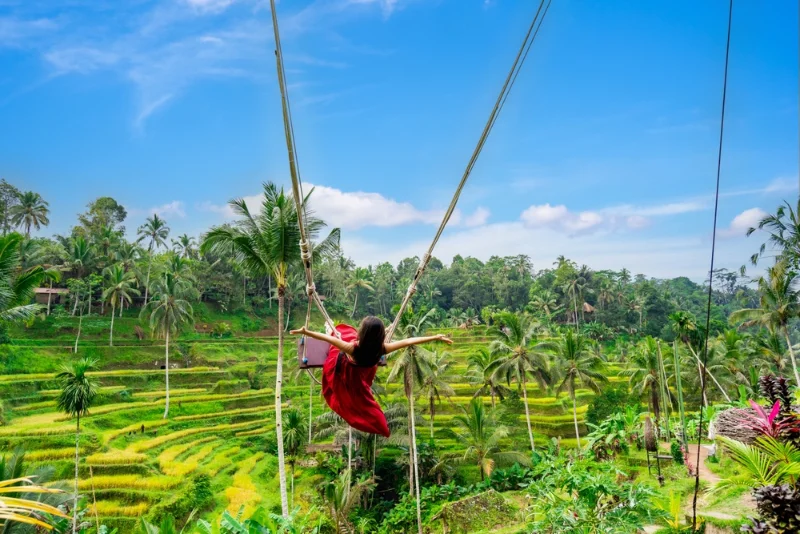
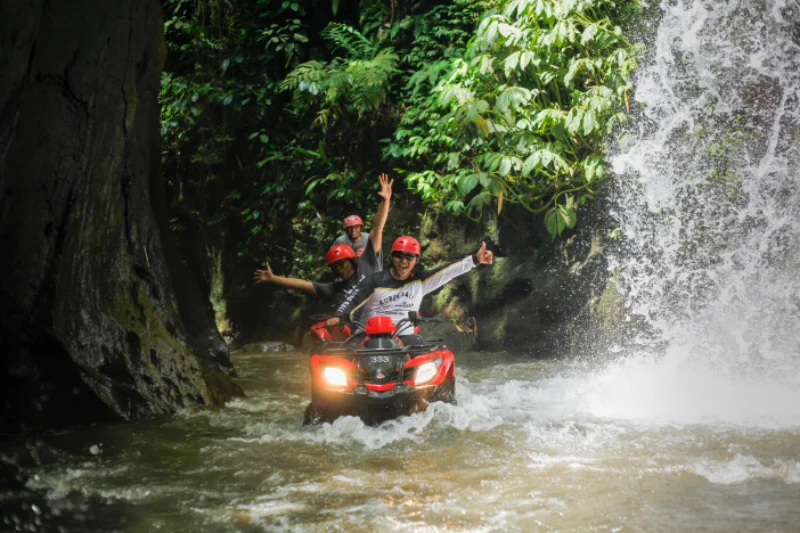
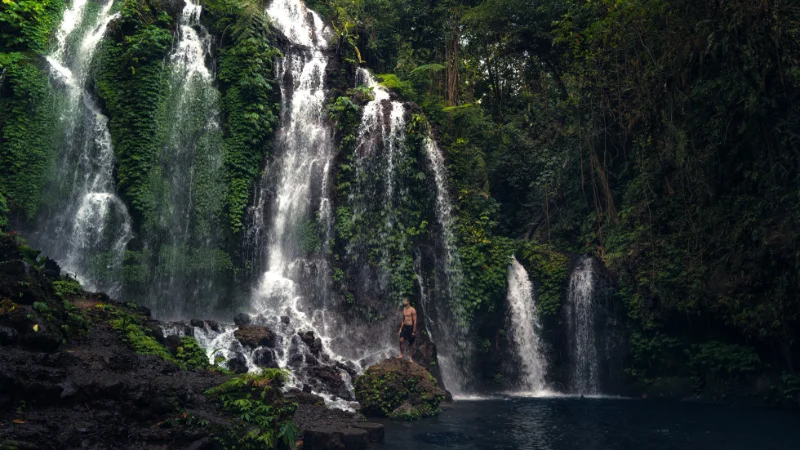
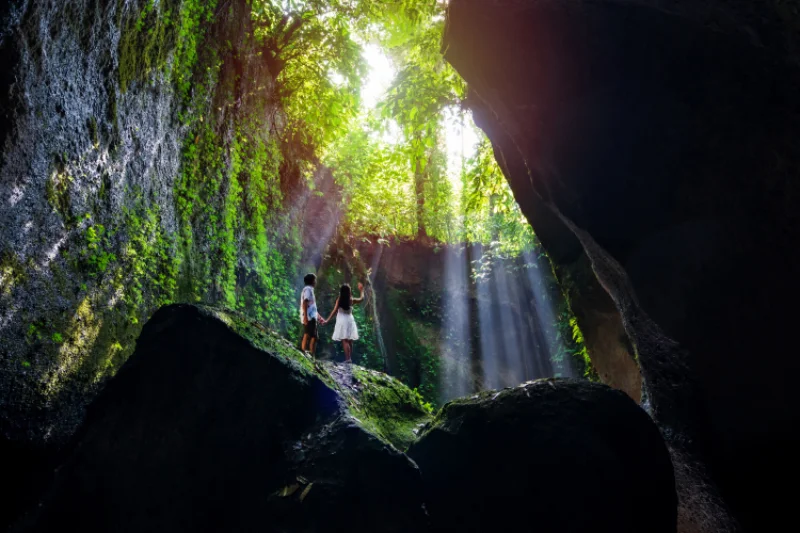
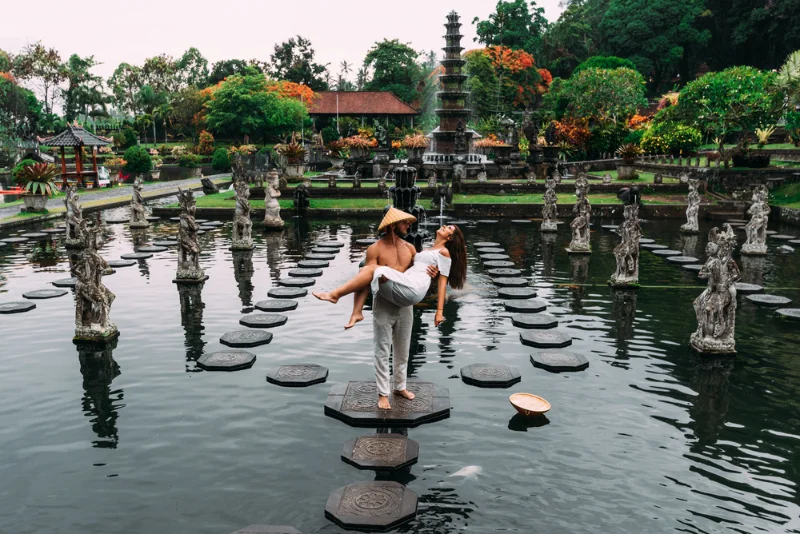
Places to Visit in Bali
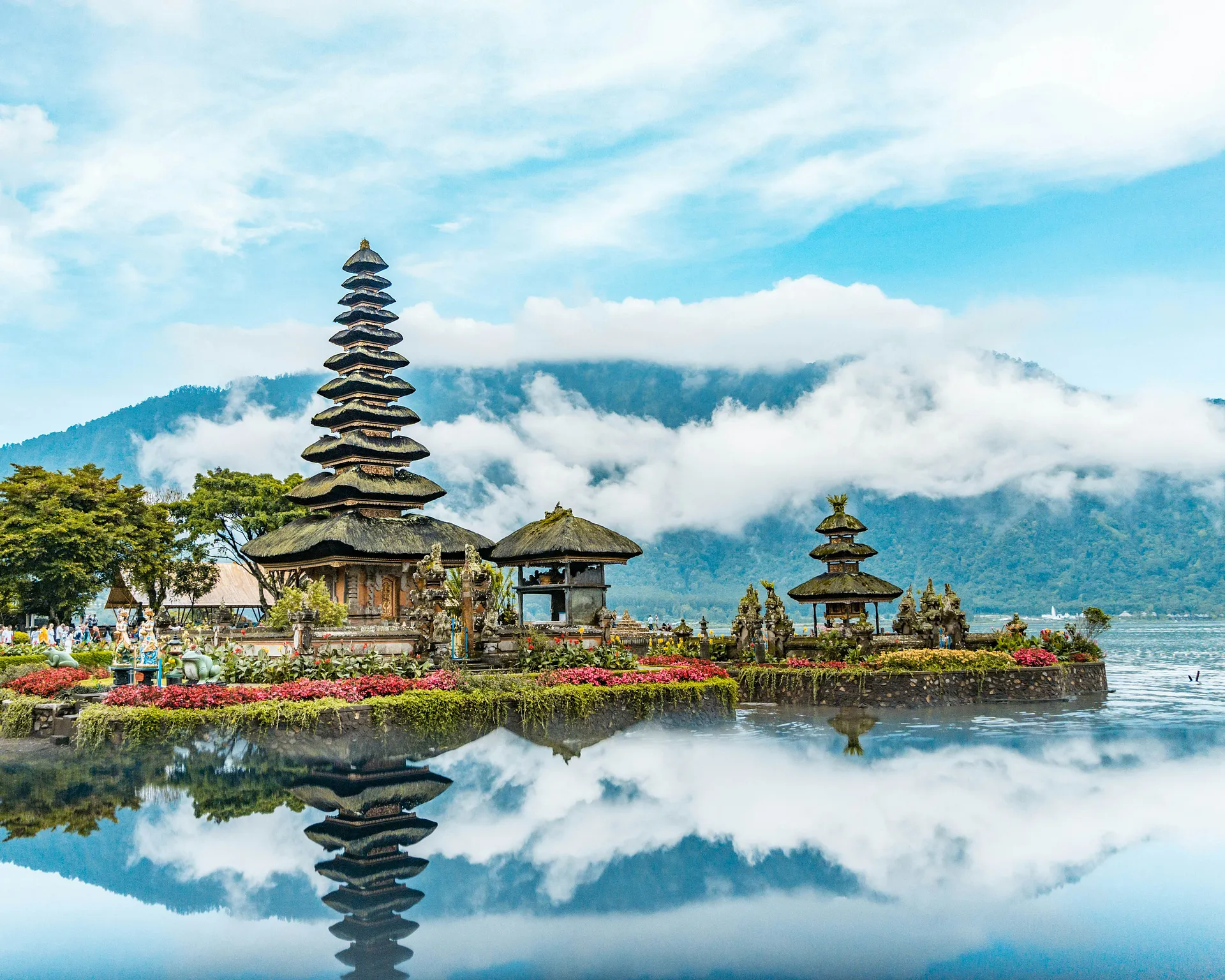
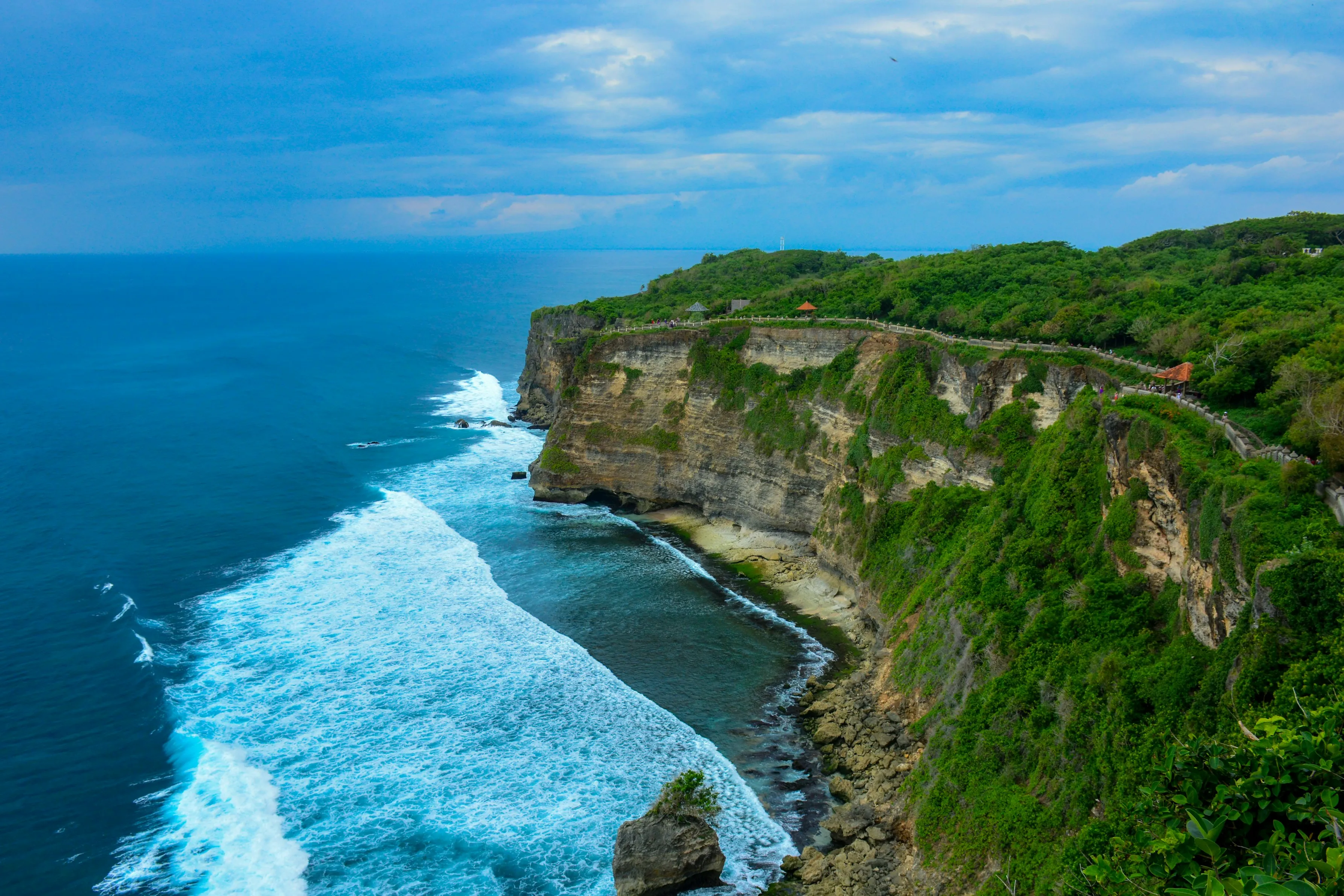
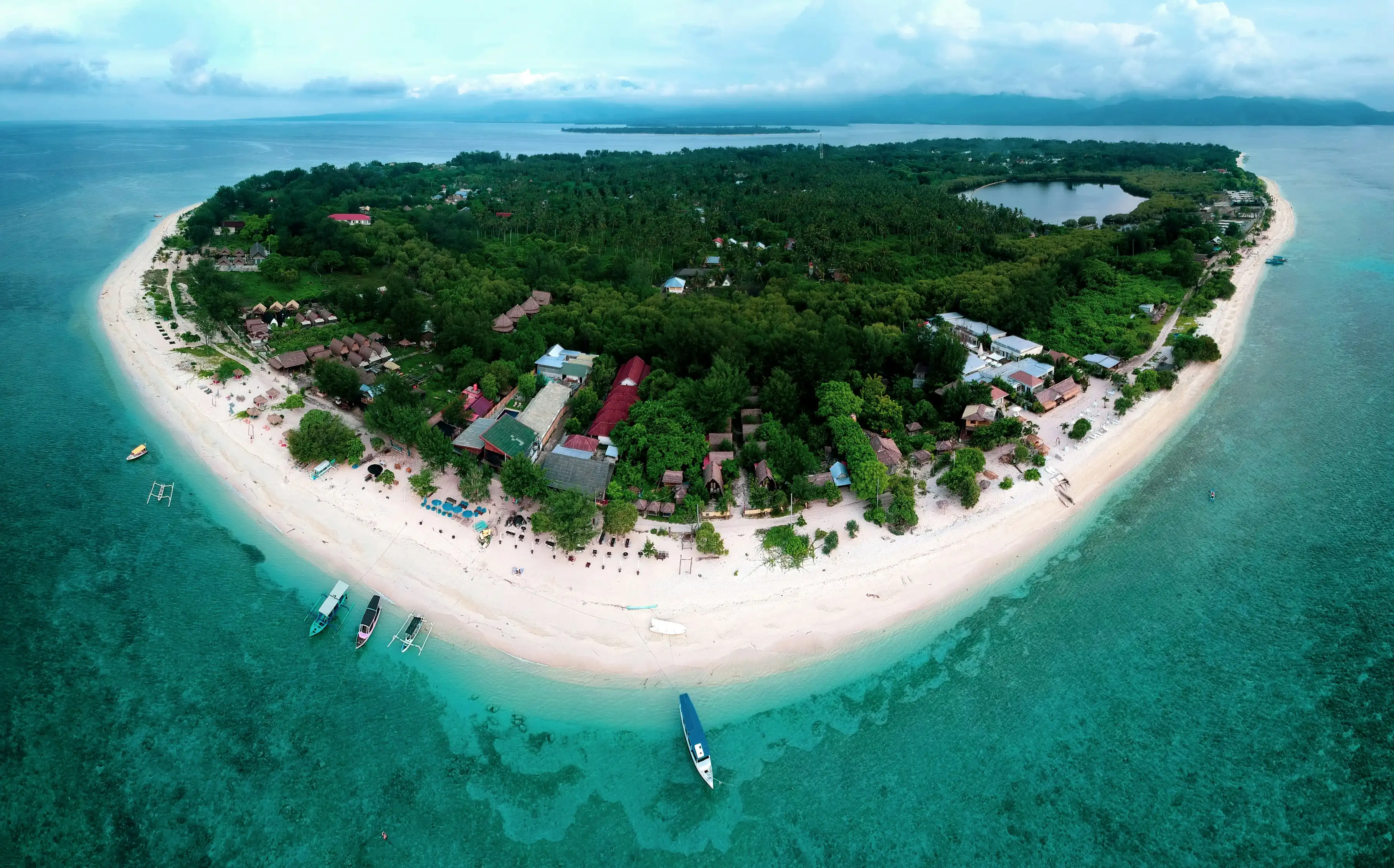
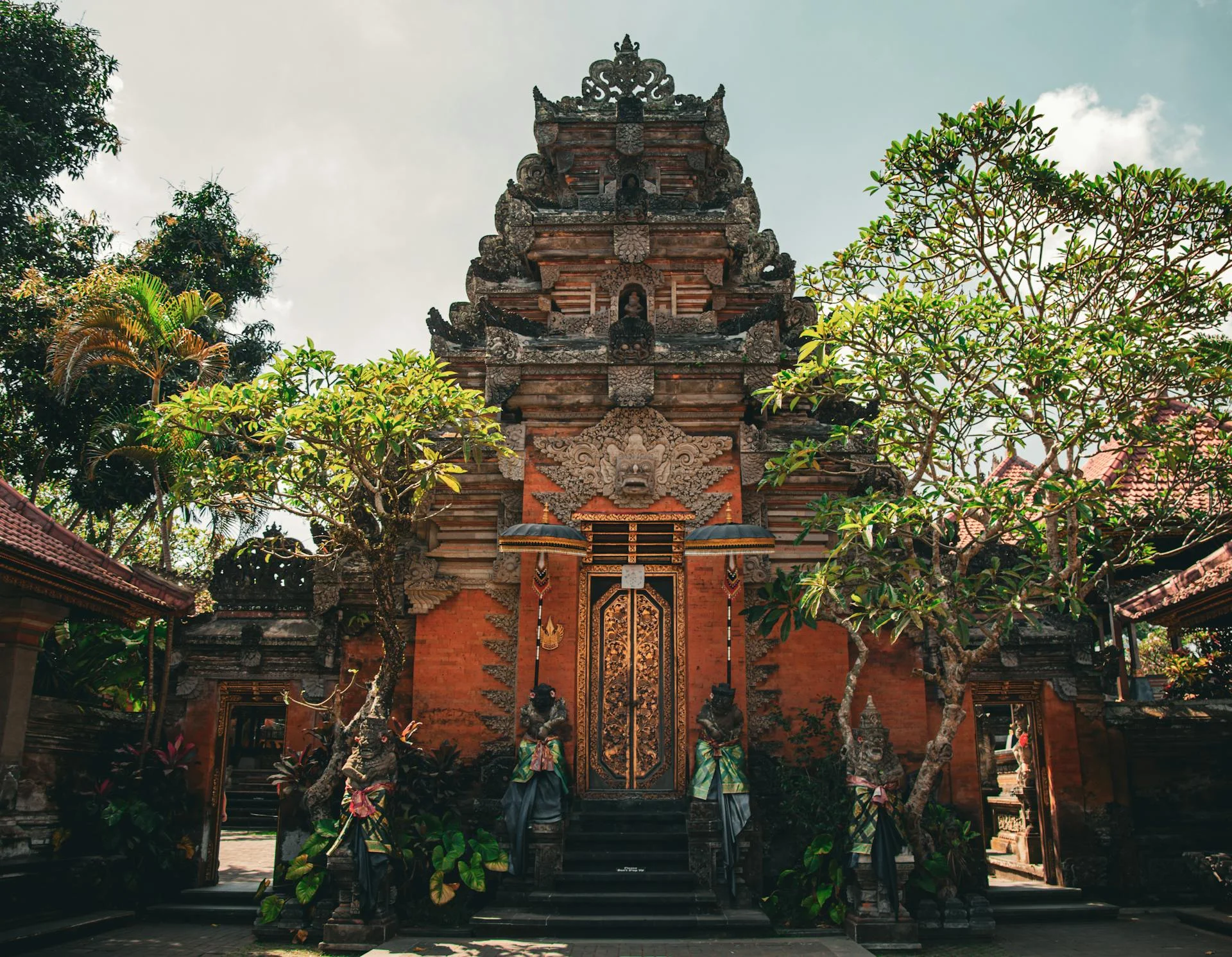
Top packages for Bali



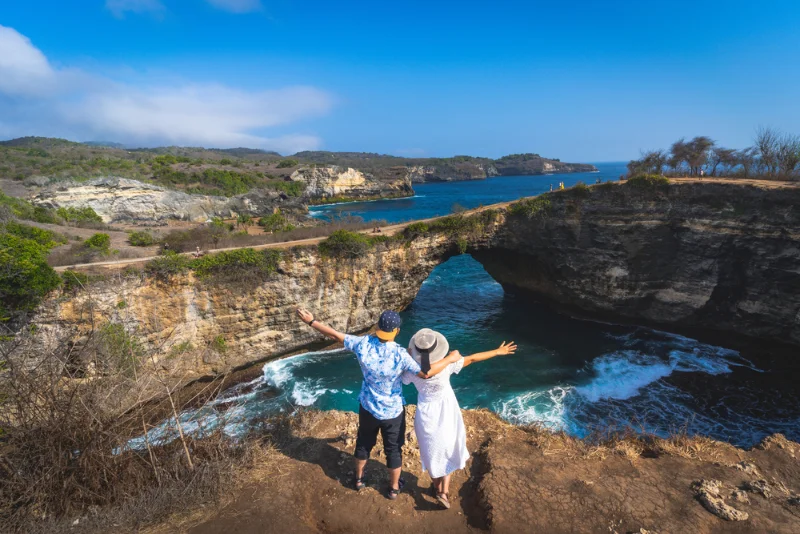
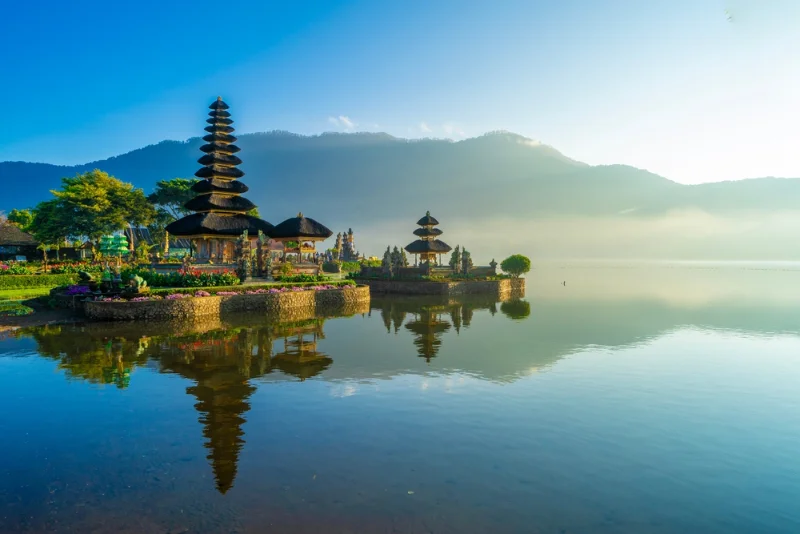


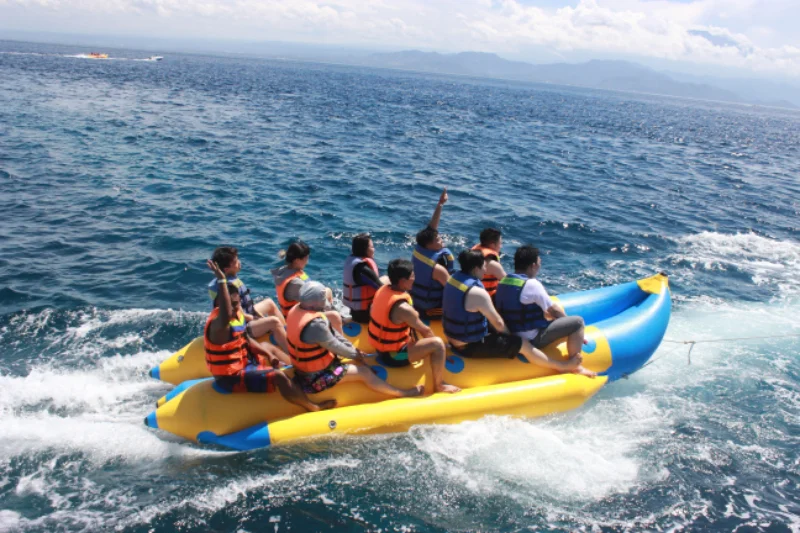
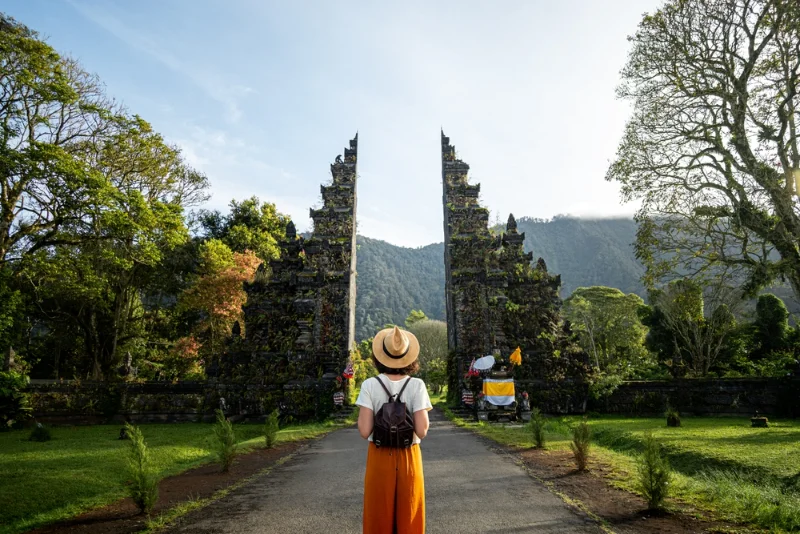


What to Eat in Bali

Ayam Bakar Taliwang

Ikan Bakar
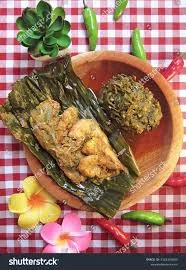
Pepes

Sop Buntut
Want the best Bali package, handpicked just for you?
Share your travel needs and our travel experts will reach out to you.
Frequently Asked Questions for Bali
Indonesia is specifically famous for its beaches, volcanoes and greenery. The best way to explore the Indonesian islands is to rent a motorbike and drive around the narrow lanes and dense forests. If volcanoes and mountain fires excite you, hiking any of the volcanoes present here is one of the best things you could do here to get your adrenaline flowing.
The most common forms of transportation in Indonesia are private cars, taxis, bemos(public mini buses), ojeks (motorbikes), becaks(pedicabs). Trains are available only on certain islands like Java. Domestic flights are a convenient way to travel to different islands but you can also opt for boat rides for island hopping.
You might find a plethora of things to buy in Indonesia. Whether it is getting souvenirs or adding a few new prints to your wardrobe, there is no dearth of options in Bali. Batik textiles, celuk jewellery, batik paintings, pottery items and stone and wood carvings are some of the best things to get from Indonesia.
Indonesian archipelago includes several islands and it might be difficult to cover all of them. To help you pick the right islands and destinations depending on the number of days you have assigned to your vacation, we can customize your Indonesia travel guide. A guide that has the cities and destinations that befit your holiday vision can be designed very easily.
Bali offers a unique cultural connection to India through its shared Hindu heritage, seen in its temples and traditions. It is also highly affordable, offers stunning diverse landscapes, and provides a range of activities from spiritual retreats to vibrant nightlife, making it a perfect choice for Indian travellers to book Bali packages.
- Rent a Scooter: It is the best way to beat traffic, but only if you have an International Driving Permit.
- Respect the Culture: Wear a sarong when entering temples and avoid stepping on daily offerings on the ground.
- Stay Hydrated: Drink only bottled or filtered water; avoid tap water to prevent "Bali Belly".
- Download Apps: Use Grab or Gojek for affordable rides and food delivery.
- Money Exchange: Use only authorised money changers to avoid scams.
- Silver Jewellery: Visit Celuk village for handcrafted Balinese silver.
- Batik Fabrics: Intricately designed traditional textiles.
- Kopi Luwak: The world-famous Balinese coffee.
- Wood Carvings: Detailed statues and masks from Mas village.
- Rattan Bags: The iconic round "Ata" bags found in Ubud markets.
- Organic Skincare: Locally made essential oils and body scrubs.