A visit to

Austria

Austria Destination Guide

Quick Information

IDEAL DURATION

10 - 12 Days

per person

₹43,999
Austria

Nestled in the heart of Europe, Austria is a country where imperial grandeur meets breathtaking natural beauty. From the majestic Alps that dominate its western and central regions to the baroque splendor of Vienna's grand boulevards, Austria offers travelers an experience that is both timeless and deeply enriching. This landlocked nation, bordered by eight countries, has long served as a...

Best time to visit

Austria is a year-round destination, with each season offering a distinct experience. Summer (June–August) is ideal for lake swimming, hiking, and festivals. Winter (December–February) transforms the country into a skiing and Christmas market paradise. Spring brings blooming landscapes, while autumn offers colorful foliage and fewer crowds. The best overall time for most travelers is May to September, when the weather is pleasant and outdoor activities are at their peak.

Weather in Austria

img

Jun - Aug

20-30°C

Sun, Lakes, and Alpine Festivals

Summer Season in Austria

Austria's summer is vibrant and outdoor-focused, with festivals, open-air concerts, and lake swimming in full swing. The Salzkammergut lakes shimmer under clear skies, and Vienna hosts outdoor film screenings and music events across the city.

img

Dec - Feb

-2 to-5°C

Ski Slopes, Glühwein, and Christmas Magic

Winter Season in Austria

Winter turns Austria into a snow-globe fantasy. World-class ski resorts like St. Anton and Kitzbühel draw skiers from across the globe, while Vienna and Salzburg host some of Europe's most enchanting Christmas markets. The cold air carries the scent of mulled wine and roasted chestnuts everywhere you turn.

img

-

11-21°C

Rainy Season in Austria

January is the coldest season in Austria. This winter season starts in December and lasts through March and gets a lot of snowfall. The average temperatures are between -5°C and +3°C which is ideal for fun-filled snow activities.

img

Sep - Nov

8-16°C

Golden Valleys and Harvest Season Charm

Autumn Season in Austria

Autumn drapes Austria in rich shades of gold and amber. Vineyards in the Wachau Valley reach harvest season, wine festivals dot the calendar, and the Alpine trails remain walkable well into October. It is a quieter, more reflective time to experience the country's natural and cultural depth.

img

Mar - May

10-18°C

Blooms, Trails, and Peaceful Exploration

Spring Season in Austria

Spring is arguably Austria's most scenic season. Alpine meadows burst into bloom, waterfalls run full from snowmelt, and the cities shed their winter quietness. Crowds are thin and hotel rates are moderate, making it perfect for budget-conscious explorers seeking beauty without the rush.

How to reach Austria

By Air

Vienna International Airport (VIE) is Austria's primary gateway and one of Central Europe's busiest hubs. It connects to major cities worldwide, including indirect connections from Indian cities like Delhi, Mumbai, and Bengaluru via airlines such as Emirates, Lufthansa, Qatar Airways, and Turkish Airlines. Flight durations from India range between 9 to 14 hours depending on layover.

By Train

Austria is seamlessly integrated into Europe's high-speed rail network. Trains from neighboring countries like Germany, Switzerland, Italy, Hungary, and the Czech Republic connect to Vienna's Hauptbahnhof (main station) daily. The Railjet and EuroCity services are fast, comfortable, and scenic, especially routes through the Alps. If you are already in Europe, the train is often the most enjoyable way to arrive.

By Road

Austria is accessible by road from all eight bordering countries, making it a natural stop on European road trips. Well-maintained highways and mountain passes connect Austria to Germany, Switzerland, Italy, and Slovenia. A motorway vignette (toll sticker) is required for driving on Austrian highways and can be purchased at border crossings, petrol stations, or online.
Places to Visit in Austria
Top packages for Austria
Want the best Austria package, handpicked just for you?

Share your travel needs and our travel experts will reach out to you.

Frequently Asked Questions for Austria


Yes, Indian passport holders require a Schengen visa to visit Austria as it falls under the Schengen Area, so a valid Schengen visa grants access to all 27 member countries, including Austria. You must apply through the Austrian Embassy or an authorized visa application center in India. The process typically takes 15–30 working days, so apply well in advance of your travel dates.

The best time to visit Austria is from May to September, when the weather is warm, outdoor attractions are fully operational, and festivals bring cities to life. For skiing and Christmas markets, December to February is ideal. Spring (March–May) offers blooming scenery with fewer tourists, while autumn (September–October) is perfect for wine lovers and foliage chasers.

A budget trip to Austria typically costs around ₹1,20,000–₹1,50,000 per person for a 7-day trip from India, including flights, budget accommodation, meals, and local transport. Mid-range trips average ₹2,00,000–₹2,50,000 per person. Austria is not a cheap destination by Indian standards, but careful planning, especially booking flights and hotels early, can significantly reduce costs.

Budget travelers can manage on approximately €60–€80 per day in Austria, covering hostel accommodation, affordable meals, and public transport. Mid-range travelers should budget €120–€180 per day for comfortable hotels and restaurant dining. In Vienna, daily expenses tend to run slightly higher than in smaller towns like Hallstatt or Graz. Always account for museum entries and activity costs separately.

Currently, there are no non-stop direct flights from India to Austria. All routes involve at least one layover, typically in Dubai, Doha, Frankfurt, Istanbul, or Zurich. Airlines like Emirates, Qatar Airways, Lufthansa, and Turkish Airlines offer well-connected one-stop itineraries from Delhi, Mumbai, and Bengaluru to Vienna. Total travel time usually ranges from 10 to 15 hours depending on the layover.

A 7-day trip is ideal for a well-rounded Austria experience, allowing you to cover Vienna (3 nights), Salzburg (2 nights), and Hallstatt (1–2 nights). For a deeper exploration including Innsbruck, Graz, or the Salzkammergut lake region, 10–12 days is recommended. Even a 5-day trip covering just Vienna and Salzburg can feel satisfying for first-time visitors with good planning.

Austria's public transport system is excellent and highly recommended. The ÖBB national rail network connects all major cities efficiently and affordably. Within cities, U-Bahn (metro), trams, and buses are reliable and well-integrated. The Austria Card or regional day passes offer unlimited travel and good value. Renting a car is useful for exploring rural areas, Alpine villages, and lake districts not easily served by trains.

Yes, Indian food is widely available in Austria, especially in Vienna and Salzburg. Vienna has a thriving Indian restaurant scene with both North Indian and South Indian cuisine options. Grocery stores in larger cities also stock Indian spices, lentils, rice, and ready-to-cook ingredients. While options become limited in smaller towns, Indian travelers rarely struggle to find familiar food during their stay in major urban centers.

Austria uses the Euro (€) as its official currency, as it is a member of the Eurozone. Credit and debit cards (Visa, Mastercard) are widely accepted across hotels, restaurants, and shops. However, it is advisable to carry some cash for smaller establishments, rural areas, or markets. Currency exchange is available at Vienna airport, banks, and exchange offices throughout the country at competitive rates.

Yes, English is widely spoken in Austria, particularly in tourist areas, hotels, restaurants, museums, and transport hubs. Vienna ranks as one of Europe's most English-friendly cities. Younger Austrians especially tend to speak fluent English. While German is the official language and locals appreciate basic German greetings, most travel-related interactions in major cities and tourist destinations can be comfortably navigated in English.

Austria is an exceptional honeymoon destination. Vienna's romantic coffeehouse culture, candlelit opera evenings, and grand palaces create an unmatched atmosphere for couples. Hallstatt's fairytale lakeside setting and Salzburg's charming old town add to the romance. Whether you prefer cozy Alpine retreats in winter or lakeside sunsets in summer, Austria offers intimate, luxurious, and memorable experiences that make it a top European honeymoon choice.

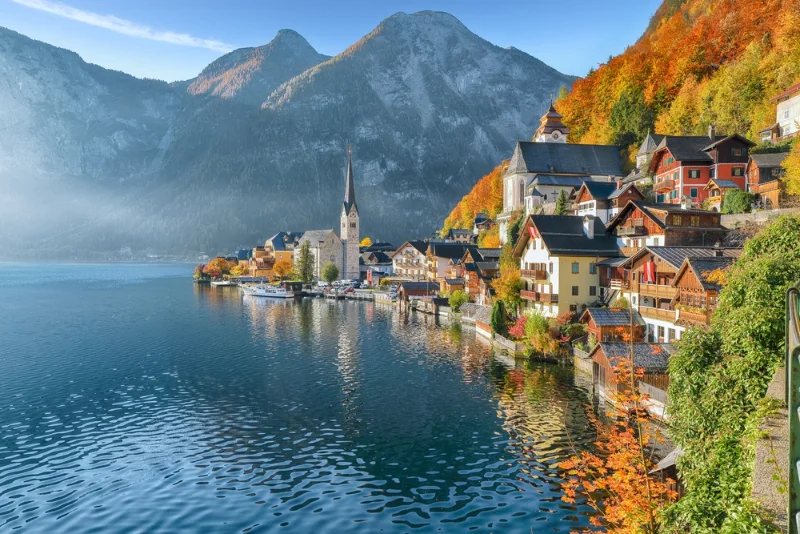
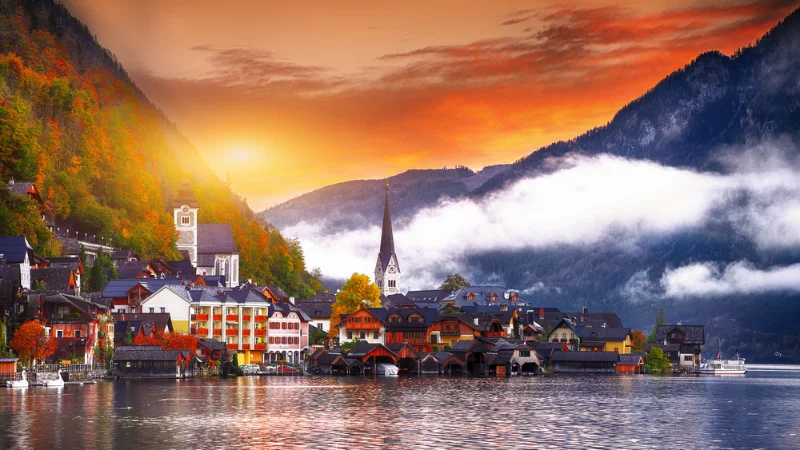
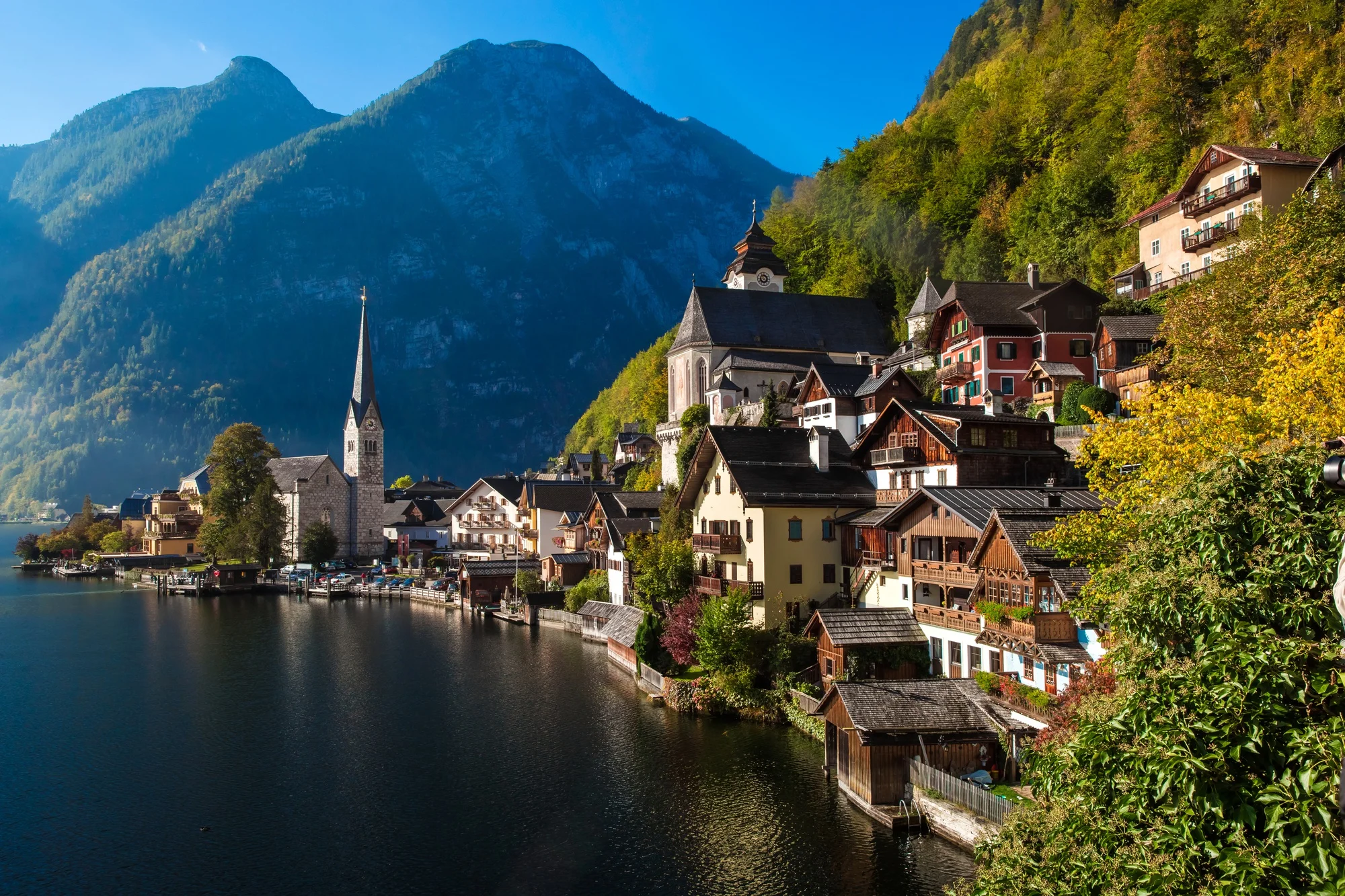
Absolutely. Hallstatt is one of Austria's most iconic destinations and worth every moment. This UNESCO-listed village on the shores of Hallstätter See is postcard-perfect, with colorful Alpine houses reflected in crystal-clear water. Despite its small size, it offers the Dachstein Caves, salt mine tours, the Sky Walk viewpoint, and stunning lakeside walks. Visiting early in the morning helps avoid peak tourist crowds and makes the experience even more magical.

Vienna is the better choice for first-time visitors due to its scale, diversity, and world-class attractions, from the Schönbrunn Palace and Belvedere Museum to the Vienna Philharmonic and the historic Ring Road. Salzburg, while smaller, is deeply charming and ideal for those with Mozart, Sound of Music, or Alpine connections. Ideally, visit both, they are just 2.5 hours apart by train and complement each other beautifully.

Austria hosts some of Europe's most celebrated Christmas markets. Vienna's Christkindlmarkt at Rathausplatz is the most famous, drawing millions annually with its festive stalls, mulled wine, and handcrafted gifts. The Salzburg Christmas market in the shadow of the Hohensalzburg Fortress is equally magical. Other notable markets include those in Innsbruck, Graz, and Baden bei Wien, all typically running from mid-November through December 26.

Yes, Austria is one of the world's premier skiing destinations. Resorts like St. Anton am Arlberg, Kitzbühel, Ischgl, and Mayrhofen are internationally renowned for their challenging pistes, excellent snow records, and vibrant après-ski culture. Austria offers slopes suited for all skill levels, from beginner-friendly resorts to expert black runs. The ski season generally runs from December to March, with peak crowds between Christmas and February.

Yes, and it is highly recommended. Hallstatt and Salzburg are approximately 1.5 to 2 hours apart by road or a combination of train and ferry. Most travelers base themselves in Salzburg and take a day trip to Hallstatt, as Hallstatt has limited accommodation options. This pairing gives you the best of both worlds, UNESCO old-town charm in Salzburg and fairytale lakeside scenery in Hallstatt, in just 2–3 days.

Austria's lake district is stunning. Hallstätter See (beside Hallstatt village) is the most photographed. Wolfgangsee near St. Wolfgang is popular for its turquoise waters and mountain backdrop. Mondsee, Traunsee, and Grundlsee are equally beautiful and less crowded. The Wörthersee in Carinthia is Austria's warmest lake and a summer resort favorite. All of these lakes sit within the Salzkammergut region, which can be explored on a single multi-day itinerary.

Yes, Austria is a full member of the Schengen Area. A valid Schengen visa, obtained from any Schengen member state, allows you to enter and travel within Austria freely. If Austria is your primary destination, you must apply through the Austrian Embassy. If your trip covers multiple Schengen countries, apply through the embassy of the country where you will spend the most nights or enter first.

Yes, the Eurail Pass is valid in Austria on ÖBB (Austrian Federal Railways) trains, making it a great option for multi-country European rail trips. It covers Intercity, Railjet, and most regional services. Note that seat reservations may be required on some high-speed trains and come at an extra charge. The Austria-specific Eurail pass or a multi-country pass covering Central Europe offers excellent value for rail-heavy itineraries.

Austria is a moderately expensive destination for Indian travelers, primarily due to currency conversion (1 EUR = ₹92–95). Accommodation, dining at restaurants, and museum entries add up quickly. However, budget hostels, supermarket meals, and city transport passes help manage costs. Compared to Western European destinations like Switzerland or Scandinavia, Austria offers reasonable value, especially if you travel in the shoulder season and book flights and hotels early.

A 7-day Austria trip from India typically costs ₹1,50,000–₹2,50,000 per person depending on travel style. Flights from India (round trip) account for ₹55,000–₹85,000. Budget accommodation runs ₹3,000–₹5,000 per night, while mid-range hotels cost ₹8,000–₹15,000 per night. Add meals, sightseeing, local transport, and Schengen visa fees. A comfortable mid-range 7-day trip for a couple can total ₹4,50,000–₹5,50,000 combined, including all expenses.

Yes, Austria receives significant snowfall, especially in the Alpine regions. Higher altitudes above 1,500 meters see snow from November through April. Popular ski resorts like St. Anton and Kitzbühel often have snow as early as October. Even Vienna and Salzburg experience light to moderate snowfall between December and February, creating a magical winter atmosphere. The eastern lowlands receive less snow, but mountain regions consistently deliver a proper white winter.